
Ulyanovsk narcologists are studying new approaches to the treatment of alcohol and drug dependence
How to achieve long-term remission in people with addiction, more effectively treat and return patients to normal life, as well as build assistance to children and adolescents - these issues became one of the key at the interregional conference on the development of the narcological service
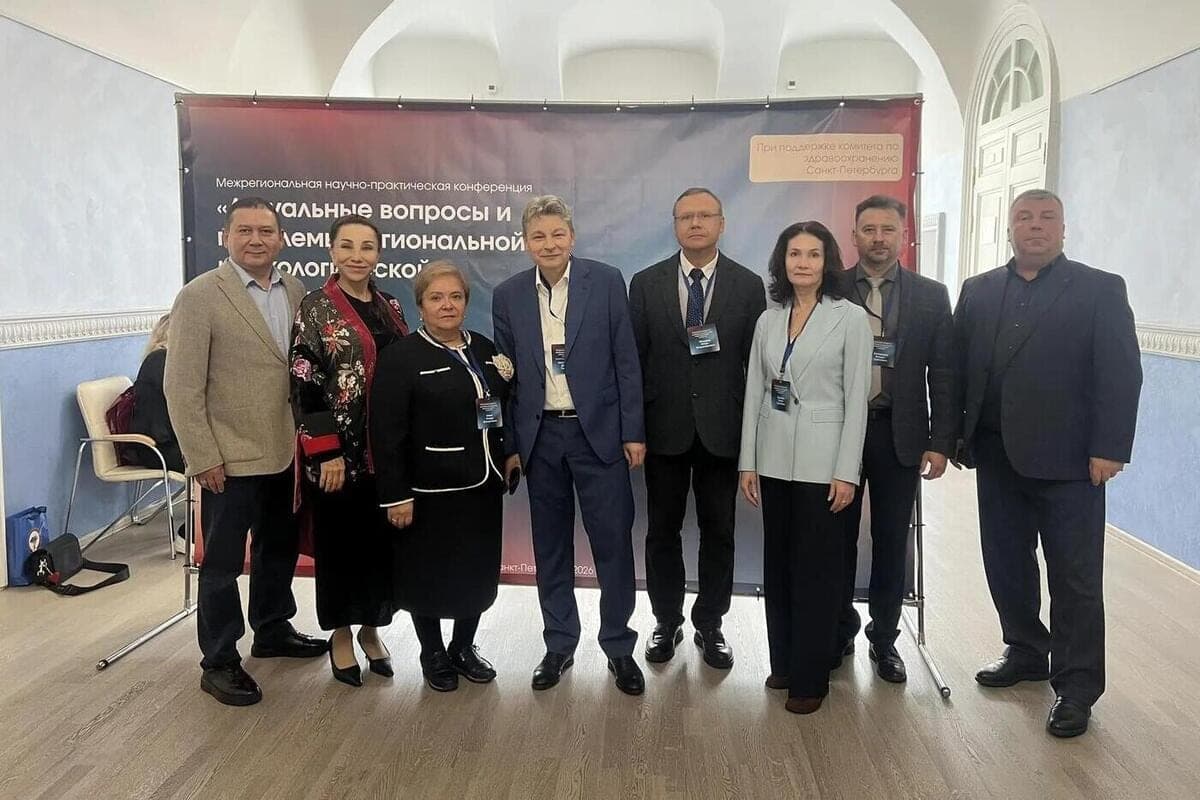
How to achieve long-term remission in people with addiction, more effectively treat and return patients to normal life, as well as build care for children and adolescents – these issues became one of the key at the interregional conference on the development of narcological services. The Ulyanovsk region was represented at the meeting by the deputy chief doctor of the regional narcological hospital Dmitry Volkov.
Special attention was paid to patients with dependence on alcohol and other psychoactive substances. In particular, the possibilities of psychotherapy, which help a person to maintain remission longer after treatment, were discussed.
Another option is to help minors. Participants considered the features of medical rehabilitation of children and adolescents, the prevention of substance use and the organization of treatment taking into account the age and gender of the patient.
It wasn’t just about the therapy itself. Experts analyzed modern methods of diagnosing narcological disorders, predicting the course of the disease and examining patients both on an outpatient basis and in a hospital.
The program also included psychotherapeutic groups and socio-psychological training. Such formats are considered as part of comprehensive preventive and rehabilitation work with adults and minors.
A separate block was devoted to what happens to a person outside a medical facility. Participants discussed the interaction of doctors, social workers and lawyers, so that the patient, if necessary, could simultaneously receive medical, social and legal support. Existing professional and labor restrictions for people with narcological disorders were also affected.
The III interregional scientific-practical conference “Actual issues and problems of the regional narcological service” was held on October 1 and 2 at the City Narcological Hospital of St. Petersburg. It was attended by the main freelance psychiatrists-narcologists of the regions of the North-Western Federal District and more than 100 specialists from St. Petersburg - psychiatrists, narcologists, psychotherapists and clinical psychologists.
The Ulyanovsk Regional Clinical Narcological Hospital was represented at a professional meeting by Deputy Chief Physician Dmitry Volkov. According to him, such conferences allow specialists to exchange practices that are applied in different regions of the country.


