
In the Astrakhan region, 68 cases of parasitic diseases were detected in fish samples
In the Astrakhan region in full swing autumn Putin – it will last until December 10. By order of the regional government, the quota for fishing this year is 53 thousand tons. Of this volume, 21.9 thousand tons account for inland water bodies of the Volga and its watercourses.
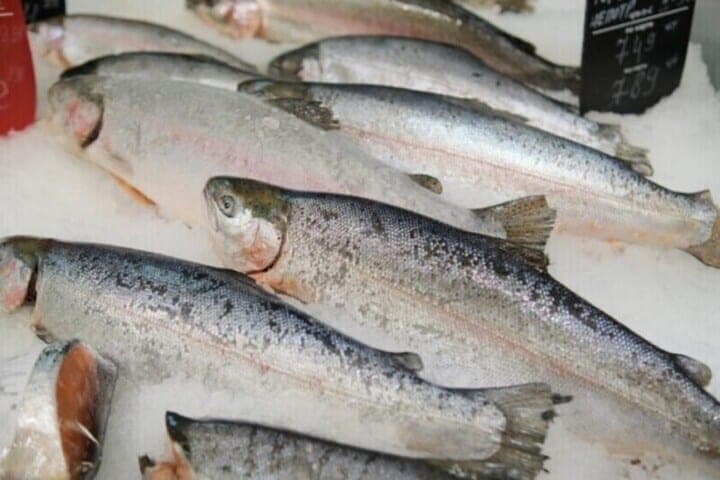
More than 60 fishing enterprises are involved in the fishing season. In the catches - ass, perch, carp, bream and sazan. All fish caught industrially must pass veterinary and sanitary examination.
Special attention is paid to epizootological monitoring – a system of regular monitoring of the state of fish farms and reservoirs. As explained in the laboratory of the Astrakhan branch of the FGBI "CEC AIC", monitoring is especially important in the fall and spring: during these periods, fish are most vulnerable to diseases.
Since the beginning of the year, experts have conducted 171 studies. During inspections of freshwater and marine fish, the presence of viral, bacterial and parasitic diseases was assessed. For this, clinical examination, pathoanatomical autopsy and microscopy of tissues and organs were used. As a result, 68 positive cases of parasitic diseases were identified.
Among the carp species, dactylogyrosis, rossicotremosis, postdiplostomosis, diplostomosis, chilodonellosis, pyscycolosis and eustrongilidosis were recorded. In predatory fish (catfish, perch) eustrongilidosis, diplostomosis and ergazilosis were found.
As noted by the deputy head of the inspection body of the Astrakhan branch of the FGBI "CEC AIC" Lyudmila Arzamastseva, timely monitoring helps to quickly identify the causes of diseases, determine the ways of their spread and risk factors, as well as develop effective measures to combat. This minimizes the loss of fish resources and prevents the spread of dangerous diseases.
Read about the events in the Astrakhan and Volgograd regions in the paper number "MK in Volgograd".


