
Almost every second kilogram of household waste is processed in Belarus
According to the results of the first half of 2026, the use of solid municipal waste in Belarus reached about 50%: almost every second kilogram of household waste.
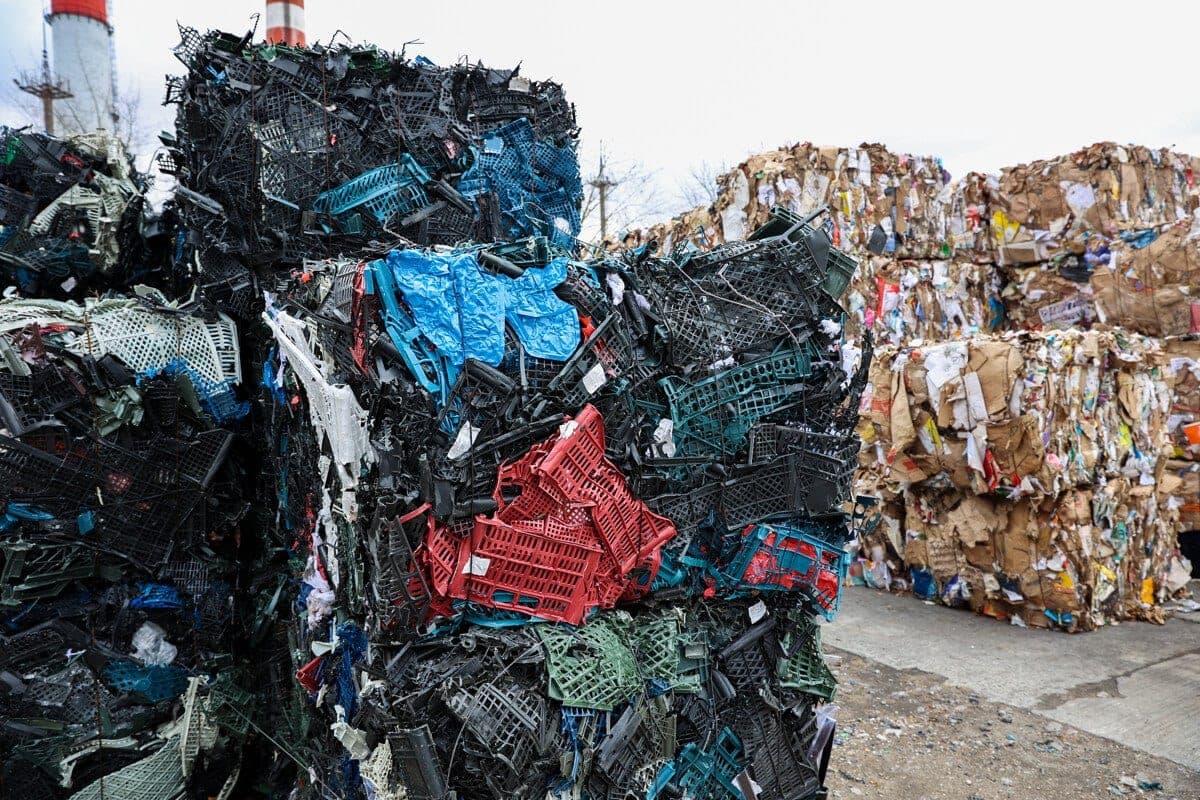
In the first half of 2026, the use of municipal solid waste in Belarus reached about 50%: almost every second kilogram of household waste is used in the country. This was announced today at a press conference in the House of Press by the chief specialist, coordinator of the republican information campaign “Goal 99” of the state institution “Operator of secondary material resources” Svetlana Matskevich, the correspondent of sb.by reports.
She noted:
- We have crossed a historic milestone – in 2015, this figure was just over 15 percent. Each inhabitant of Belarus accounts for more than 500 kilograms of solid municipal waste per year. The country produces 4.7 million tons of such waste annually. An abundance of packaging, which is very difficult to recycle, plays a role, as well as an increase in living standards: we buy more and change phones, computers and laptops more often. The amount of electronic waste in the world is growing faster than humanity is growing. For 9 months of 2026, more than 380 thousand tons of the main types of secondary material resources were collected from the population - an average of 42 kilograms per inhabitant.
Most collected paper and cardboard — 172 thousand tons, glass — almost 89 thousand tons, plastic — 67 thousand tons, worn tires — more than 27 thousand tons, waste electrical and electronic equipment — almost 18 thousand tons, spent oils — about 7 thousand tons. There are more than 1,637 reception points in the country.
There are 10 waste processing plants and 70 sorting lines in the country. There are 1,637 reception points for secondary resources. New facilities for municipal waste management are being built in Gomel, Volkovysk, Pinsk, Pukhovichi. In addition to garbage sorting, such areas as the use of organic fraction, RDF fuel are developing. In Belarus, together with Rosatom, plan to implement a project to eliminate the burial of pesticides


