
On November 16, 1945, UNESCO was established
Today, November 16, marks the 81st anniversary of the creation of UNESCO, the United Nations Educational, Scientific and Cultural Organization
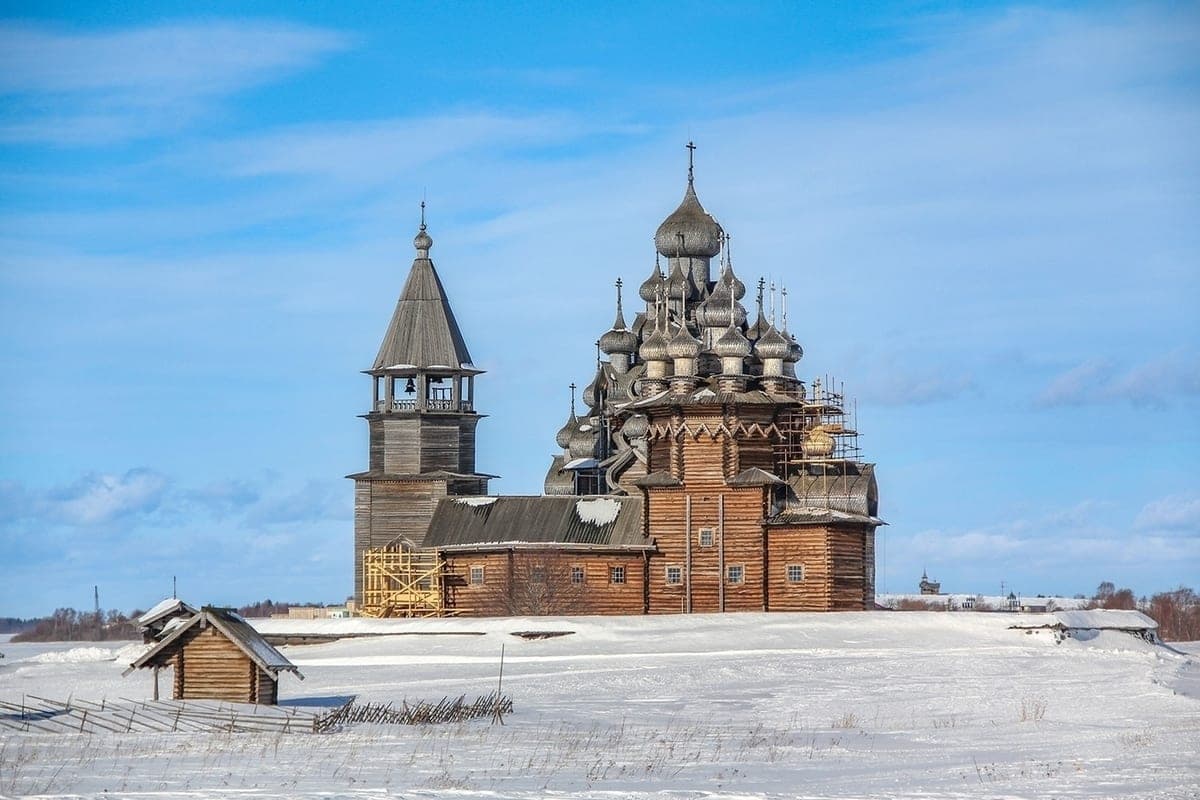
Today, November 16, marks the 81st anniversary of the creation of UNESCO, the United Nations Educational, Scientific and Cultural Organization. Its charter was signed in London on 16 November 1945 by representatives of 44 states.
In Karelia there are two UNESCO World Heritage Sites - Kizha Pogost and rock paintings of Lake Onega and the White Sea.
UNESCO was established after World War II as countries sought new ways of dialogue, education and preservation of cultural heritage. The Charter of the Organization entered into force on November 4, 1946 after its ratification by 20 states
The main task of UNESCO is to promote cooperation in the fields of education, science, culture and communication, as well as to protect monuments and traditions important to all mankind.
The most famous UNESCO World Heritage Site in Karelia is the Kizhsky Pogost. The ensemble from the Transfiguration and Pokrovsky churches and bell tower was included in the World Heritage List in 1990.
Kizhi Pogost became one of the first five monuments of the USSR included in this list. Together with him, the Moscow Kremlin, the historical center of St. Petersburg, the Kiev-Pechersk Lavra and the Uzbek Ichan-Kala were introduced.
The second Karelian object is rock paintings of Lake Onega and the White Sea. They were inscribed on the UNESCO World Heritage List in 2021.
Petrozavodsk is associated with UNESCO not only as the capital of the republic, where heritage sites are located. In the city center, it is planned to create a single space for two Karelian World Heritage sites: the Kizhi Museum-Reserve and the Karelian Petroglyph Visit Center. The 34th school is an associate school of the organization.


