
In Crimea since the beginning of the year registered 64 cases of tick-borne borreliosis
Interregional Department of Rospotrebnadzor for the Republic of Crimea and Sevastopol since the beginning of the year registered 64 cases of tick-borne borreliosis, which is higher than last year
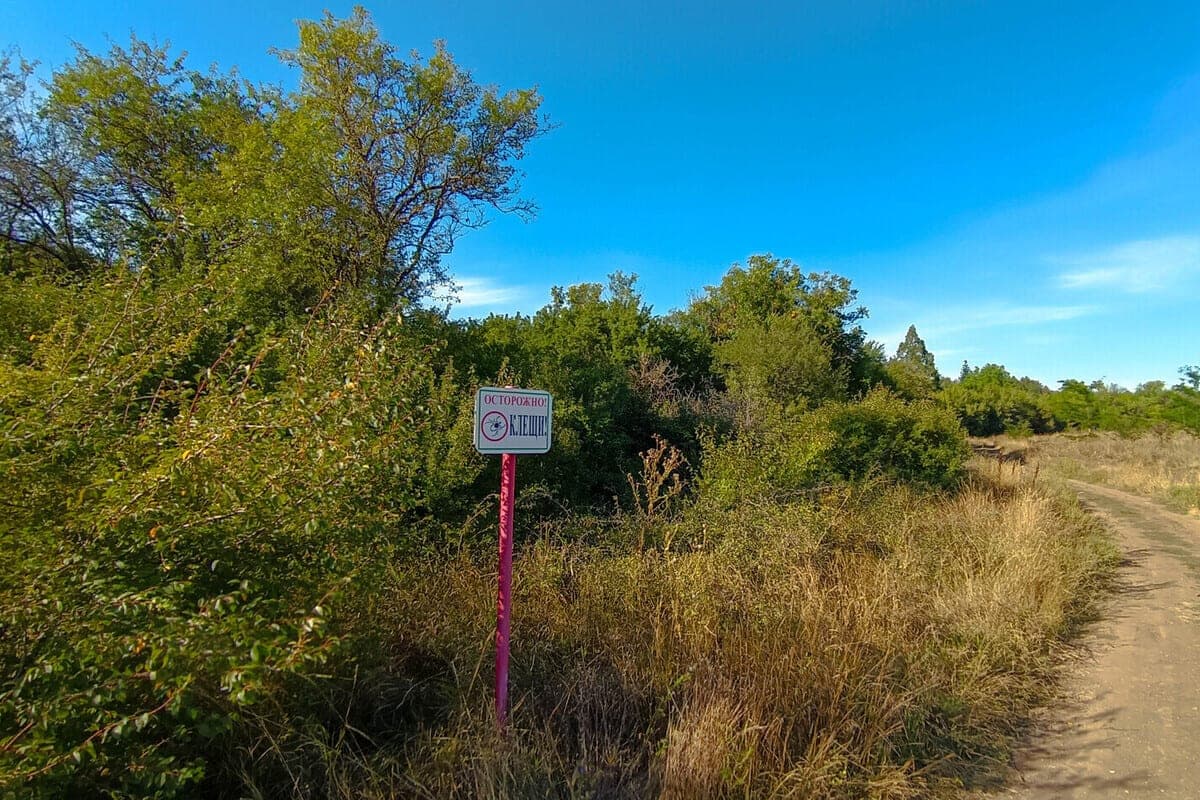
Since the beginning of the year, the Interregional Department of Rospotrebnadzor for the Republic of Crimea and Sevastopol has registered 64 cases of tick-borne borreliosis, which is higher than last year. This was reported in the press service of the department.
Since the beginning of 2026 in the Crimea and Sevastopol recorded 64 cases of tick-borne borreliosis eight more than in the same period last year. At the same time, the number of requests due to tick bites remains lower than last year and does not exceed the long-term average.
Two periods of tick activity are usually observed on the peninsula: in spring, most often in May, and in August-September. Depending on the weather, the first bites can be registered in January. Most often, ticks are attached to people who visit forests, parks and places with dense vegetation.
According to monitoring data on October 12, among ticks removed from people, in 6.1% of cases, the causative agent of ixodic tick-borne borreliosis was detected, in 1.3% of granulocytic anaplasmosis, in 0.7% of monocytic ehrlichiosis.
The Agency reported that for the prevention of infections conducts organizational work with authorities and business entities to increase the processing of places of mass stay of people. Processing in municipalities began in March. By October 12, 3,505.81 hectares of territories were processed.
The season of tick activity in Crimea in 2026 began earlier than usual. Already in January, the first bites were recorded, and by mid-April, about 200 people had asked for medical help 170 cases in Crimea and 30 in Sevastopol. The rate of appeals increased with the beginning of active visits to natural areas and work in the gardens.
At the end of May 2026, about 130 hectares of tick grass were processed in Simferopol. Anti-label treatment in the city is carried out annually in several stages from May to October, the bulk of the work is performed at night.
In June 2026, acaricidal treatment of recreation areas and excursion ecological routes was carried out in specially protected natural territories of Crimea. By the beginning of October 2026, the number of cases of tick-borne borreliosis in the Crimea and Sevastopol reached 57 by seven more than in the same period of 2025.
Experts noted that the warm autumn of 2026 can extend the season of tick activity until November, and in some warm days until December.


