
In the Ministry of Forestry explained the decrease in the number of moose and deer by a warming climate and severe winter
The number of moose and roe deer in Belarusian forests in 2026 decreased compared to last year. This was stated by the head of the hunting department...
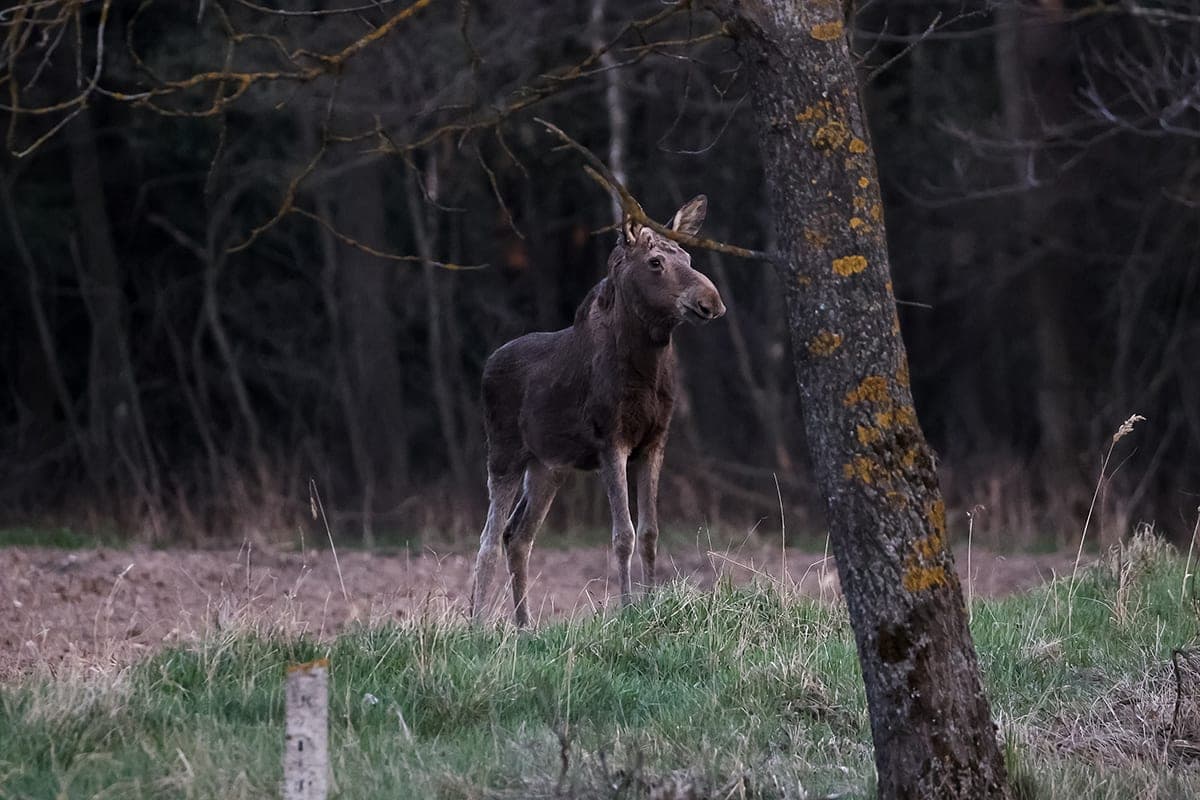
The number of moose and roe deer in Belarusian forests in 2026 decreased compared to last year. This was stated by the head of the hunting department of the Ministry of Forestry of Belarus Alexander Kozorez at a press conference in the capital’s Press House on November 17, sb.by correspondent reports.
He informed:
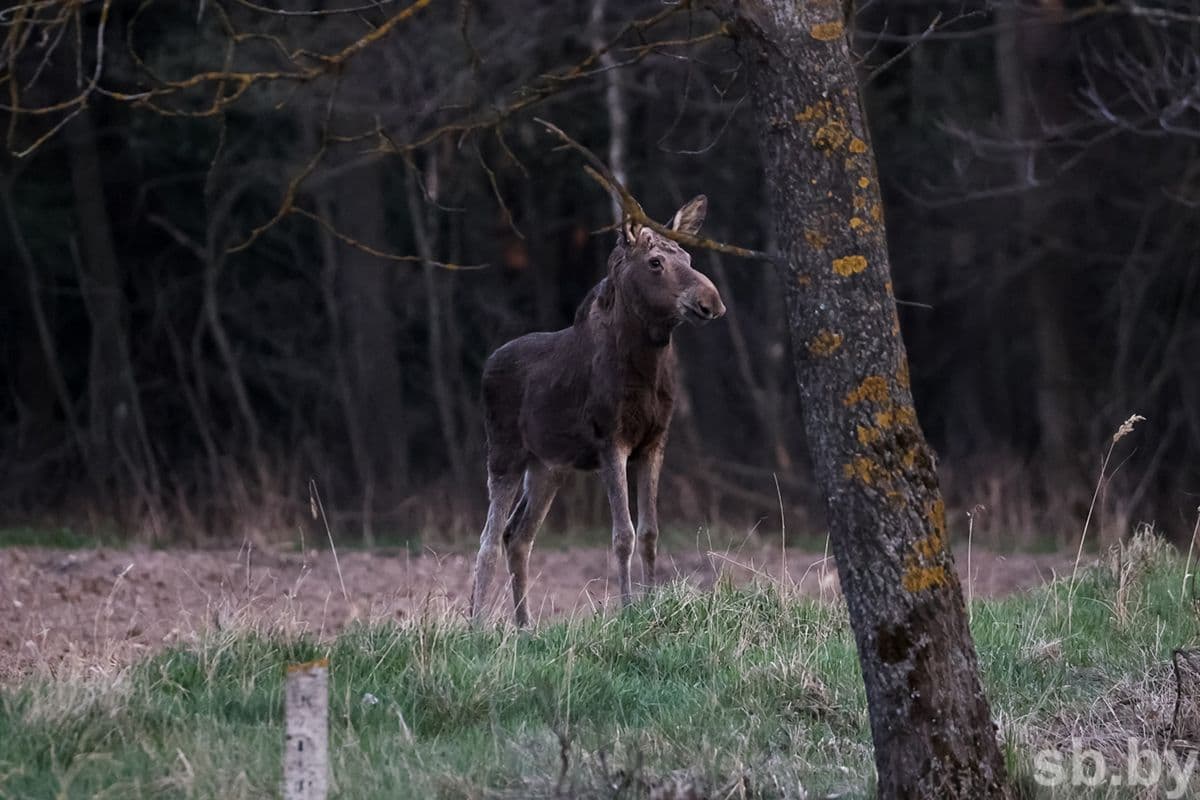
- The population of elk in 2026, according to users of hunting grounds, amounted to 47 thousand individuals. In 2025, it was 49 thousand individuals. There is a certain decrease, but this is not a feature of our country, but a result of climate warming in the Northern Hemisphere. Summer periods become more arid, and this leads to heat stress in the northern elk population, and it gradually shifts to the northeast. We notice this, among other things, in the dynamics of road accidents involving moose: in the south-west of the country, in the Brest and Grodno regions, their number decreased.
In the Ministry of Forestry this year slightly reduced plans for the removal of elk, said Alexander Kozorez:
- If on forestry farms in 2025 we planned to seize 2.5 thousand moose, in 2026 - already 2.3 thousand individuals. But this should not be taken as a serious drop: it is normal for a population to reach its peak and begin to stabilize.
Warming climate also affects the trophy qualities of animals. In 2026, when monitoring trophies, experts say that more than 90 percent of moose with good trophy qualities are mined in the east of the country.
The roe deer is the most numerous ungulates in Belarus, but its population was affected by the last harsh winter, the representative of the Ministry of Forestry noted:
- If in 2025 there was a population of about 138 thousand roe deer, then in 2026, according to users of hunting grounds, it is about 126 thousand individuals.
Severe winter adversely affected the trophy qualities of male deer, added Alexander Kozorez. The reason is that their horns grow just in late winter – early spring, when the animals need a lot of food, but still frosty and a lot of snow.
- Outstanding trophies are mined a little, the specialist stated.


