Minsk wants to expand the network of inclusive coffee shops
The city authorities intend to support the development of the project of inclusive coffee houses in Minsk and allow it to expand. About.
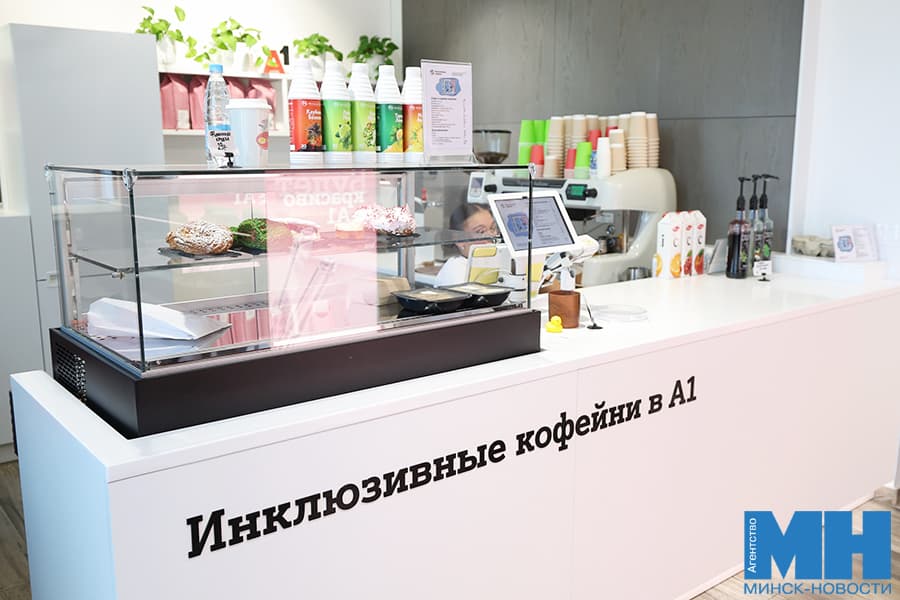
The city authorities intend to support the development of the project of inclusive coffee houses in Minsk and allow it to expand. On October 6, during a visit to an inclusive coffee shop on the street. International, 36, said Deputy Chairman of the Minsk City Executive Committee Andrey Strigelsky, reports the correspondent of the agency “Minsk-Novosti”.
The coffee shop has been in operation for six years. People with disabilities work here. During the meeting, we discussed the practical issues that employees face every day. One of them is the road to work, which in winter is seriously complicated by snow and ice. Minsk already has a social taxi service, which provides transportation of people with disabilities to socially significant facilities. Now the city is considering the possibility of using it for the delivery of employees of inclusive coffee shops.
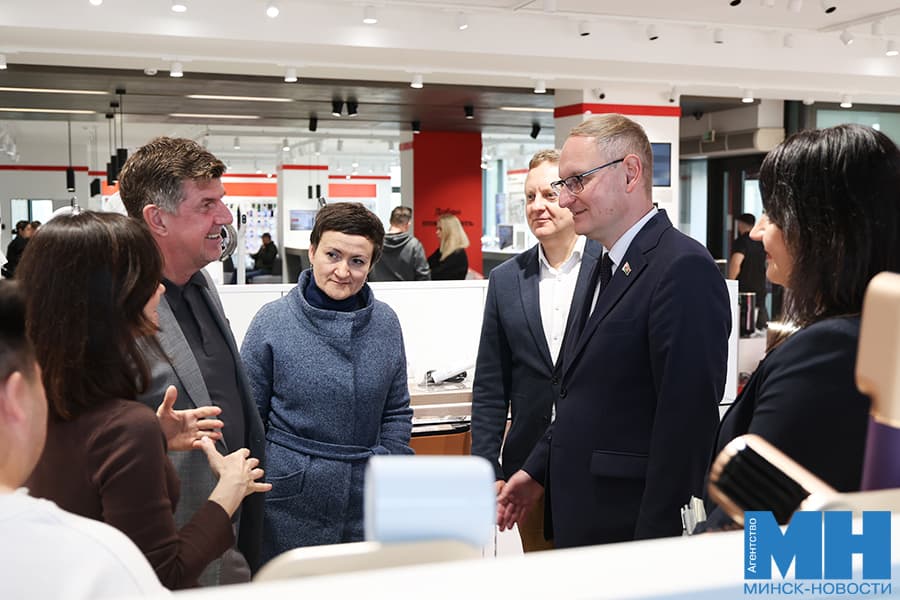
- Five people in Minsk work in a network of inclusive coffee shops. The issue of their delivery to the place of work, especially in winter, we will consider and try to solve, said A. Strigelsky.
Another area is network expansion. The ROSTOK Social Rehabilitation Center is considered as one of the sites for the new coffeehouse. It is possible that similar projects will appear on the basis of other institutions of the city.
According to A. Striegelsky, it is important not only to create comfortable conditions for people with disabilities, but also to give them the opportunity to apply their knowledge and skills.
- It is very important for children to be in the center of life, to realize their abilities and knowledge. Many of them have received education, have relevant skills, he stressed.
We also discussed the financial side of the issue. To open a new coffee shop, you need equipment that is not cheap. The Minsk City Executive Committee is ready to study the possibility of providing such assistance, as well as consider options for support for renting premises.
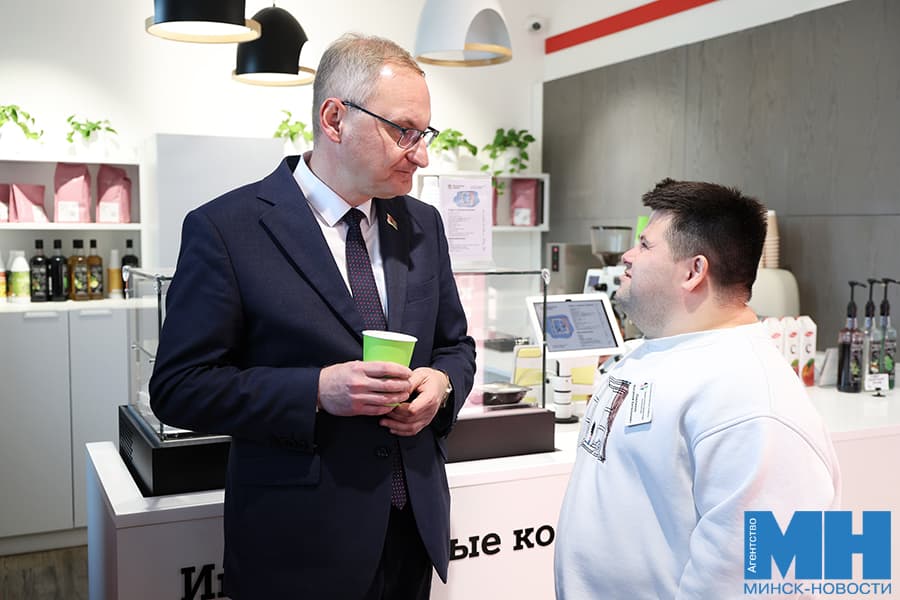
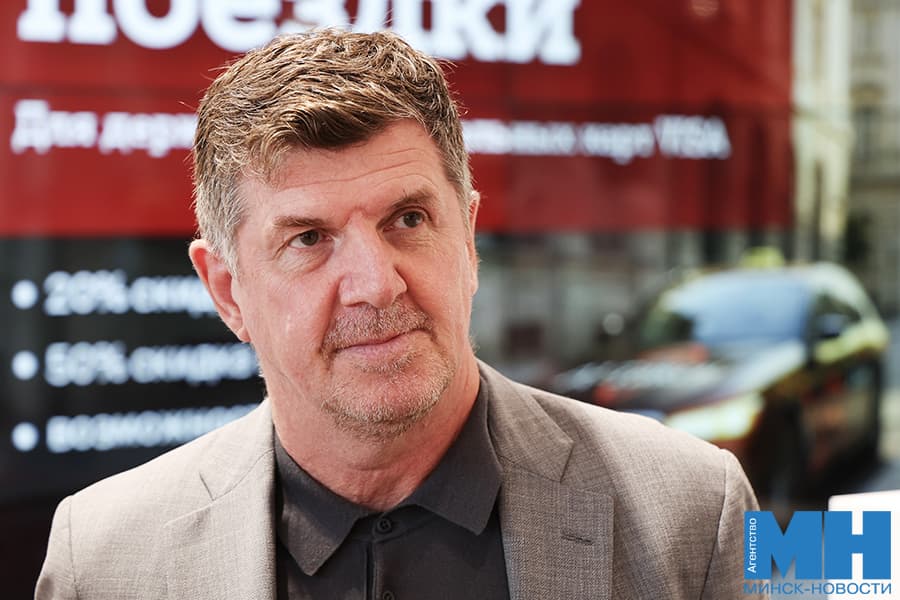
In the case of an inclusive coffee shop at the International, this issue has already been resolved: the company provides the premises for free. A1 was the initiator of the development of an inclusive format several years ago. General Director of the company in Belarus Helmut Duz said that the idea appeared after the proposal of the employee of the company Vasily Pavlikov.
- We decided to give it a try and were very happy with this project. We are proud that we have succeeded. This is a good opportunity for people with disabilities, and for clients it is an example of how a social project can be combined with quality service, said Helmut Douz.
Today, there are four inclusive A1 coffee shops in Belarus: two in Minsk, one each in Brest and Mogilev. The organization plans to gradually expand the project. Colleagues from other countries of the group also show interest in the Belarusian experience.
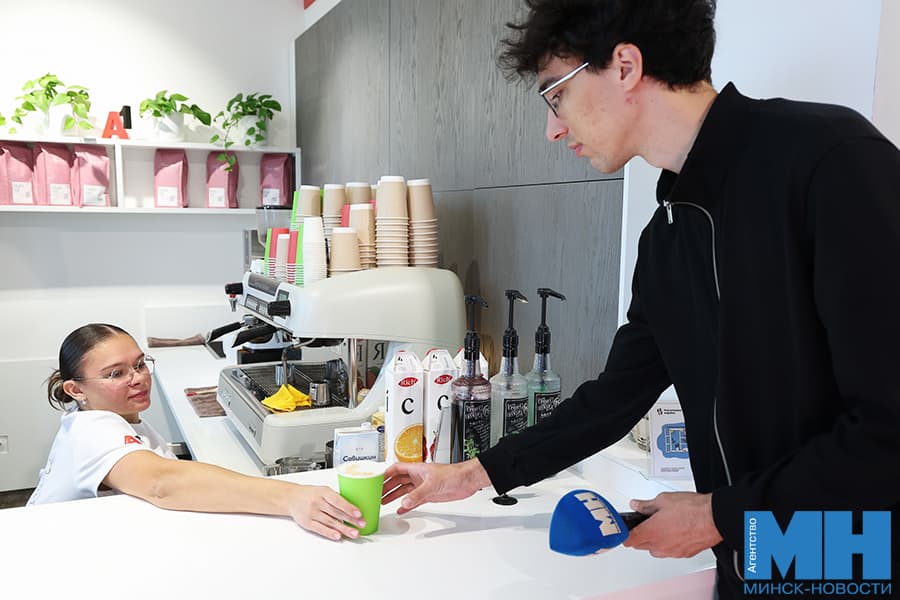
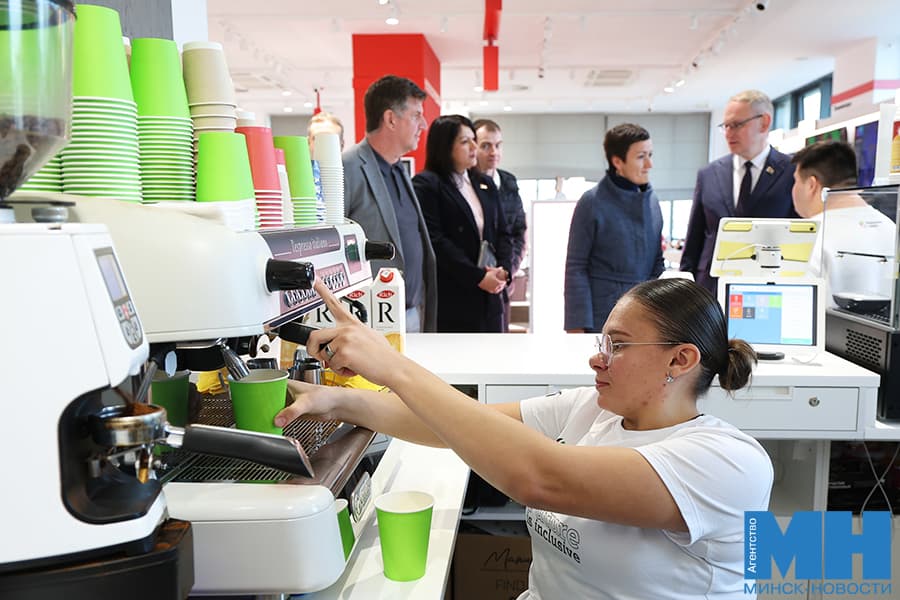
Behind the counter of the coffee shop on the International – Natalia Astana. She's been working here since the opening. Six years ago, the girl came to Minsk from Lida for a new job.
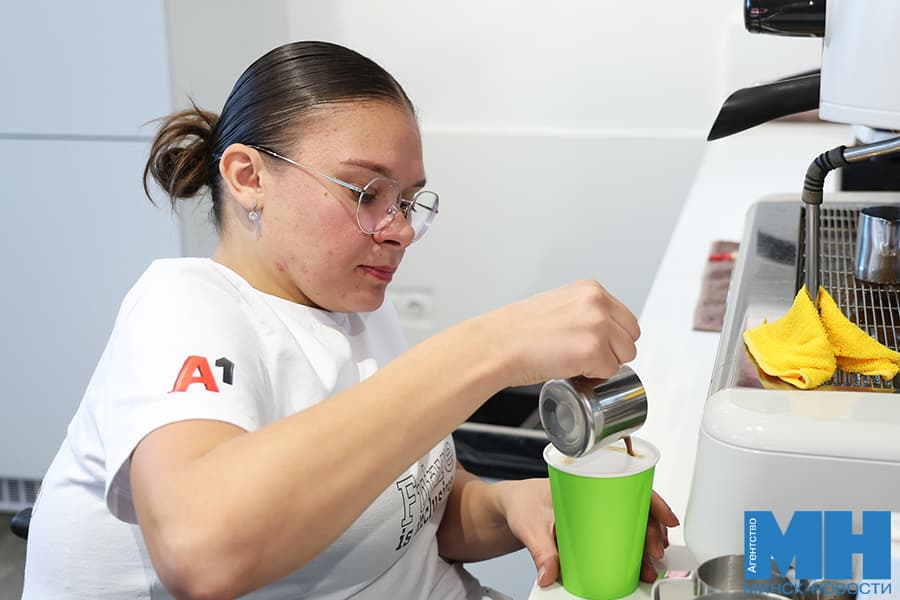
- I just decided to try something new, and then I got so carried away that I even moved for the job. There has been a lot of experience in six years. We try to keep the bar high because we are in the city center and many people come to us, Natalia said.
Every day, about 200 cups of coffee are prepared here - an indicator comparable to the sales of many city coffee shops. Among the regular visitors are employees of the company’s office. One of them, system architect Ilya Mayhersky, admits that the morning Americano in this coffee shop has already become a good tradition for him.
- My colleagues and I try to come here every morning. I like the taste of coffee and the atmosphere. Here I found exactly the Americano that I love, shared the visitor.
Today, in Minsk, we are working to make more such stories. The development of inclusive coffee shops allows people with disabilities not only to get a profession and a job, but also to independently earn, communicate with people and feel part of a big city. Support from the state and business can give the project a new impetus.
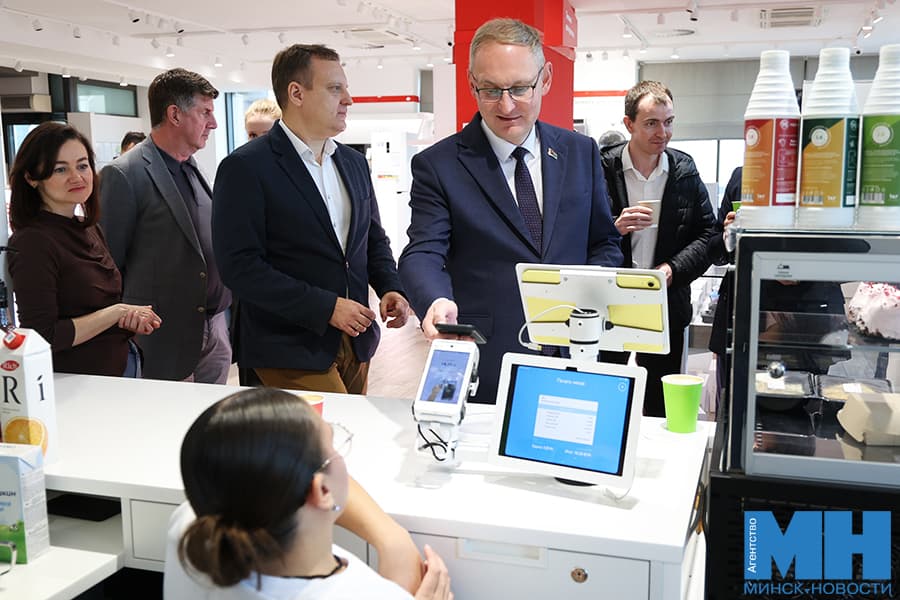
Photo by Irina Malinovskaya