
XXIII International Conference "Youth in Science - 2026" started in Minsk
About 600 young researchers are taking part in the XXIII International Conference "Youth in Science - 2026", which opened in Moscow.
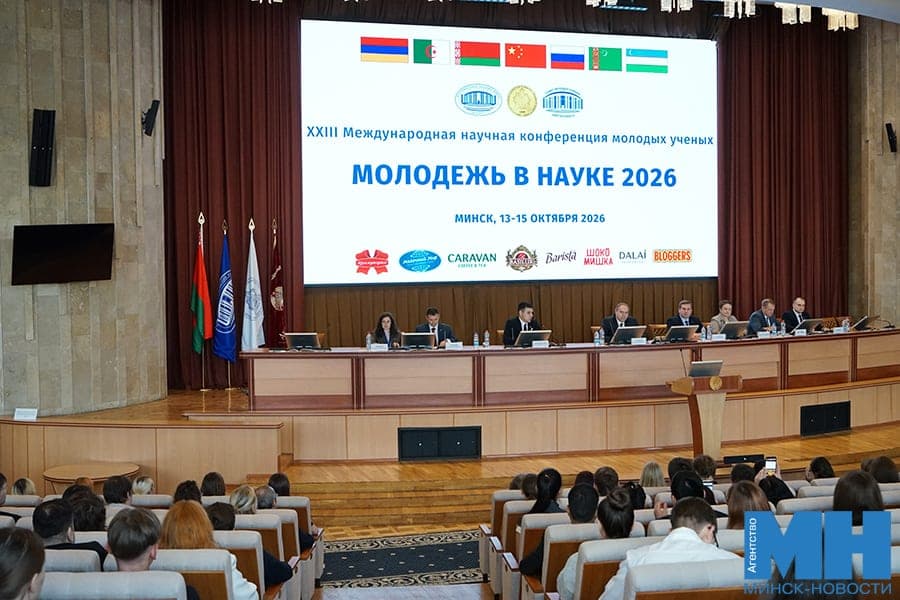
About 600 young researchers are taking part in the XXIII International Conference “Youth in Science – 2026”, which opened at the National Academy of Sciences of Belarus on October 13, the correspondent of the Minsk-Novosti agency reports.
According to the organizing committee, the most numerous delegations are from Belarus, Russia and China. Presentations will be made by scientists from Armenia, Turkmenistan, Uzbekistan and Algeria.
- Young scientists are able to generate original ideas and implement the most daring projects. Today, 29% of the NAS of Belarus are young scientists. We see in them the foundation for the development of domestic academic science. We have established very good cooperation with the Ministry of Education and the leading universities of the country. This allows you to see future researchers from school. The fact that the forum opened on October 13, the day of the founding of the Academy of Sciences of Belarus, is very symbolic. We consider today’s forum as a guarantee of the continuity of generations of scientists, said Vladimir Karanik, Chairman of the Presidium of the National Academy of Sciences of Belarus.
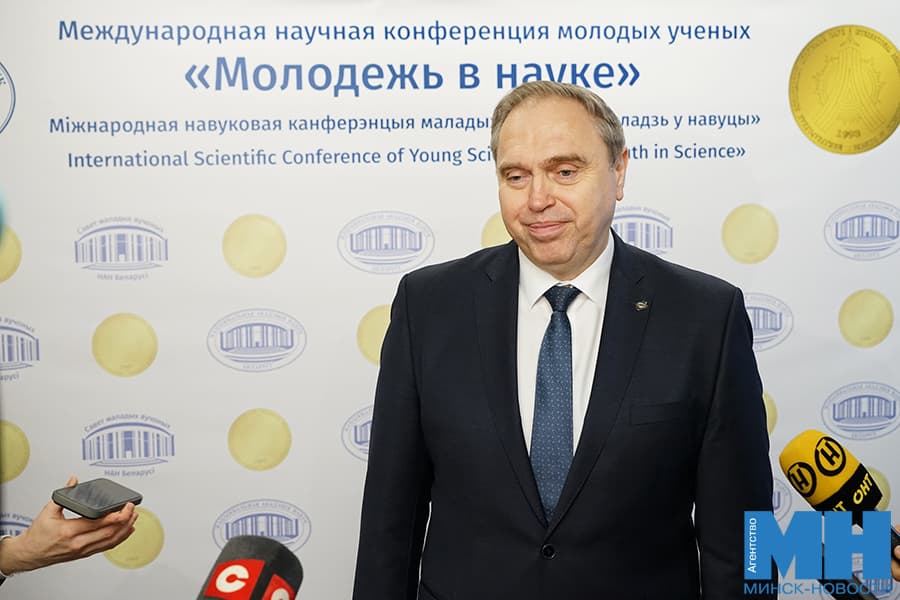
In his opinion, international cooperation plays an important role in the development of domestic science. Among the NAS partners in this area are organizations from 93 countries. 40 international laboratories operate effectively on the basis of the National Academy of Sciences. The closest strategic partners of Belarusian scientists are colleagues from Russia, China, India and Vietnam. At the same time, the NAS management is interested in developing cooperation with all countries of the world, since the pooling of competencies will allow solving issues more efficiently and quickly.
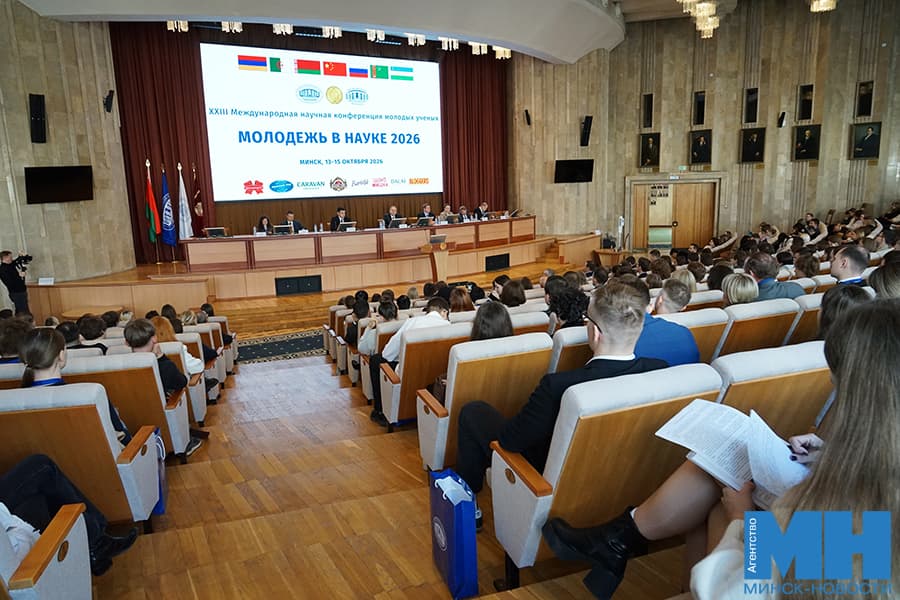
- The importance of the conference cannot be assessed only through the prism of quantitative indicators – by the number of private students and reports, said Vladislav Rozhkov, co-chairman of the Council of Young Scientists of the International Association of Academies of Sciences. Back in 2016, the IAAM Council supported the proposal to make the Minsk Conference a platform for annual meetings of the chairmen of the councils of young scientists. This international communication has become a tradition and has become a working system for establishing scientific cooperation among young people. Perhaps, thanks to acquaintances at the 2026 conference, its participants will later have new research projects and joint developments.
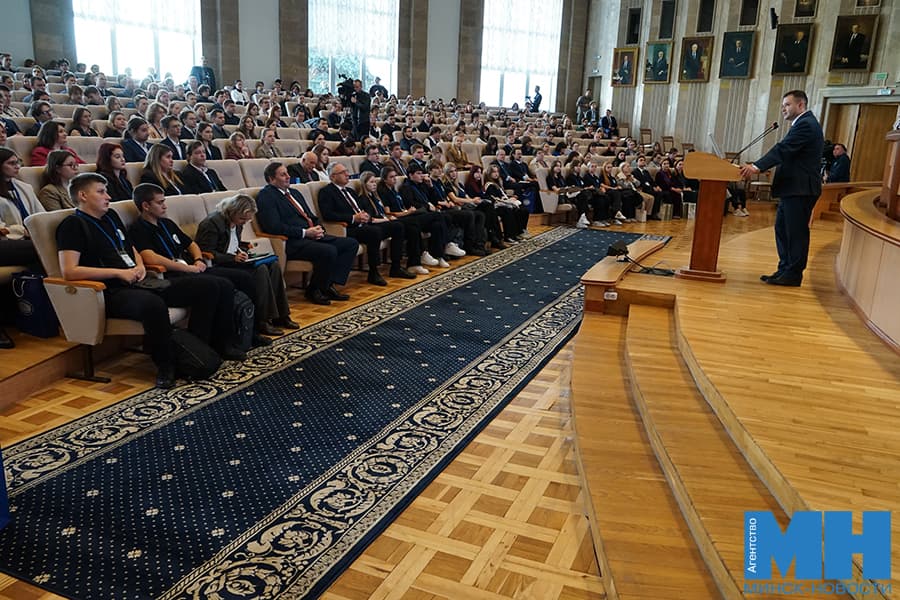
But even today, the list of areas of the conference suggests that young people are engaged in research in the most advanced areas of modern science. The forum will feature reports on genetics, biology and biotechnology, medicine, physics, chemistry, mathematics, informatics, materials science and engineering, agriculture. The humanitarian sphere is represented by research in philosophy, international relations, history, archaeology, sociology and other areas.
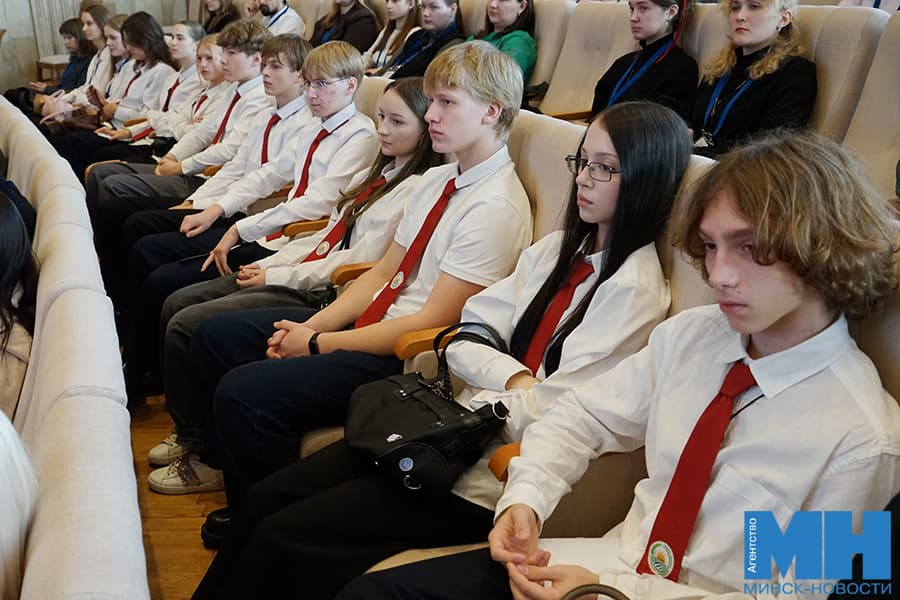
Photo by Alexander Morunov


