
Strengthening the foundation, masonry. How is the reconstruction of the mill and caplica in Loshitsky Park in Minsk
Reconstruction of two historical buildings – the Caplica and the mill – continues in the Loshitsk Manor and Park Complex in Minsk. About the features of the work and ...
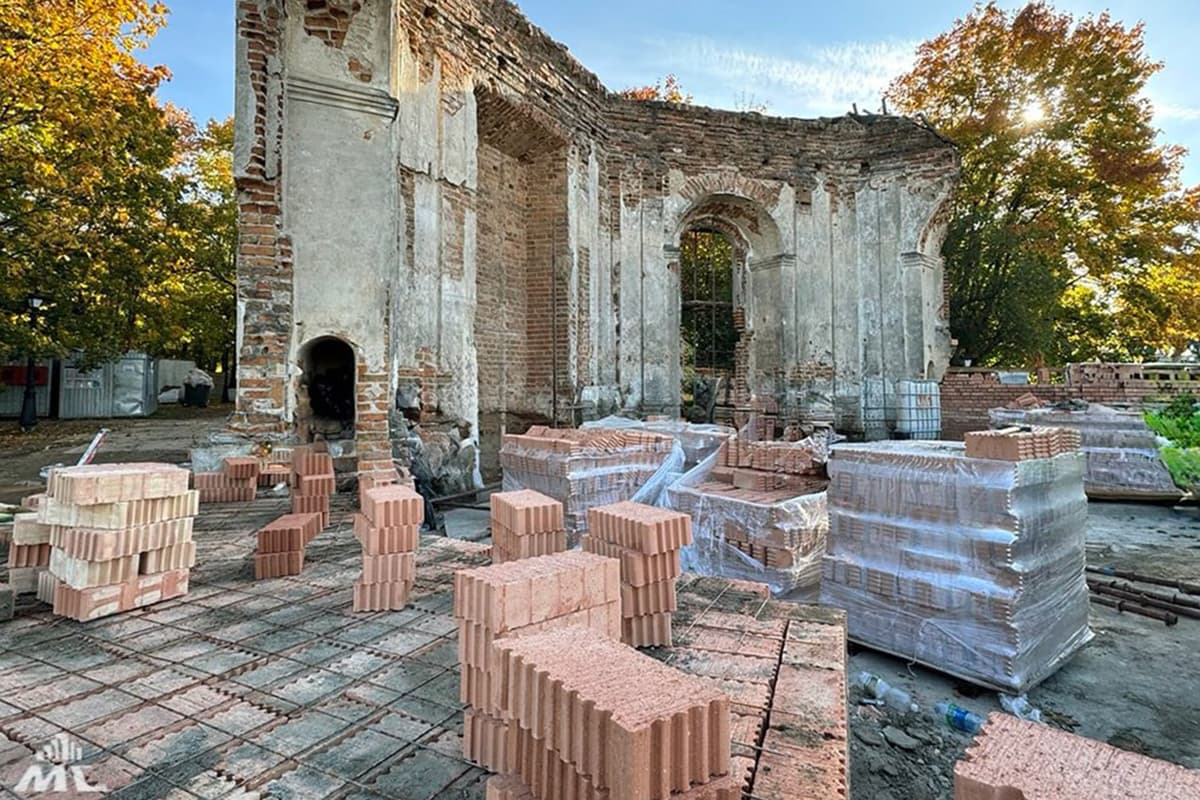
Reconstruction of two historical buildings – the Caplica and the mill – continues in the Loshitsk Manor and Park Complex in Minsk. The features of the works and materials used by sb.by were told in GPO Minskstroy.
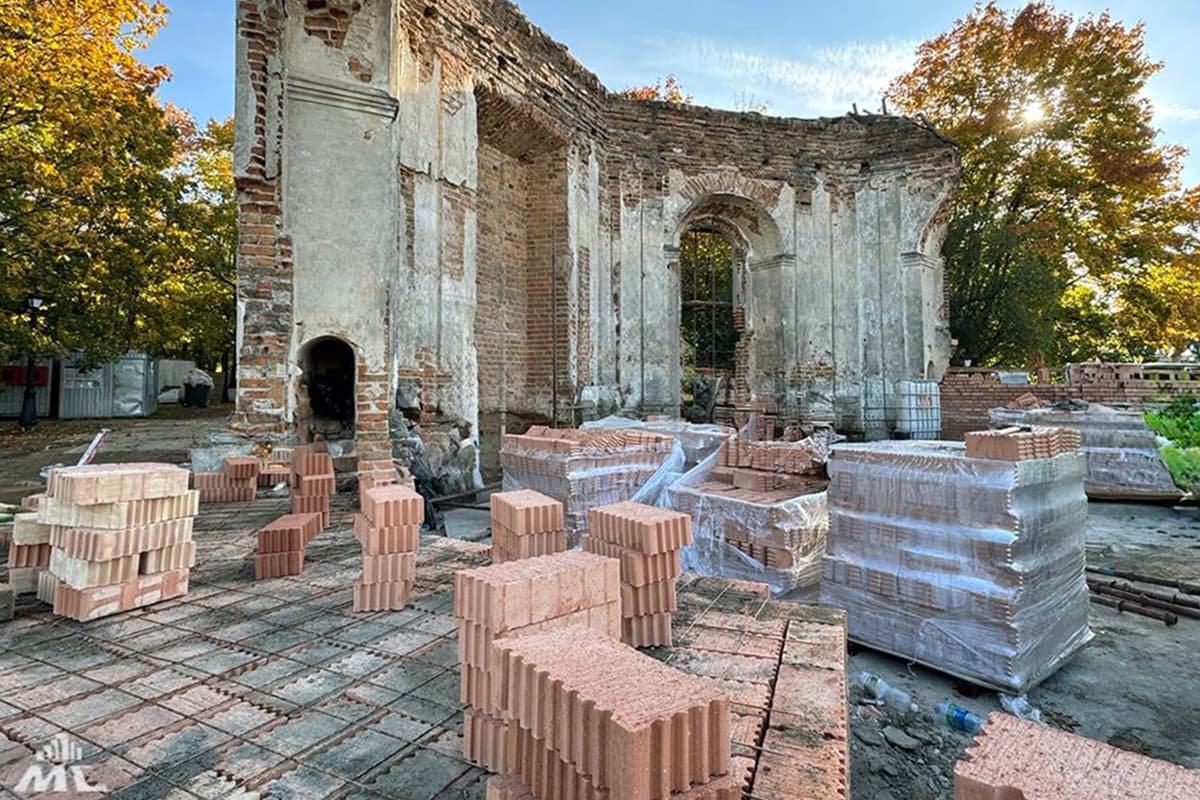
At the old mill, the foundations were strengthened and a strapping frame around the perimeter was arranged. The next stage is the concrete of the lower plate on the pile field.
In parallel, restorers work at the facility. Destroyed brick from ancient masonry is being repaired with subsequent replacement with a solid authentic one. Restoring the historical fabric of the building is a very painstaking, jewelry process.
For restoration, a special brick of the Gorynsky KSM is used, created on the basis of unique refractory clays of the Jurassic period. It is distinguished by a special composition, high frost resistance and a special shade. The brick pallets came from Rechitsa. On the site of the lost part of the building, the walls are already being erected. They're 1.2 meters thick. After four rows, the masonry is reinforced for reliability. With the help of overlapping technology with subsequent reinforcement, the restored part of the cap is combined with the preserved part.
The SU-19 masons took a good pace. While it is just masonry, but the higher, the more difficult it will be: in front of the device beam jumpers for arched windows and the entrance group, the recreation of cornices, pilasters, capitals.
It is known that the roof will be false, in shape as close as possible to the original.
Restorers will also be involved in the reconstruction of the chalice building.
Earlier, the site “sb.by” told how the objects in Loshitsky Park will look after the update. The new building of the children's boarding house "Solnechny" in Minsk is planned to be commissioned in May 2027