The Ministry of Health told how the National Vaccination Calendar will change in 2027
The Ministry of Health is constantly working to improve the National Calendar of Preventive Vaccinations, as well as ...
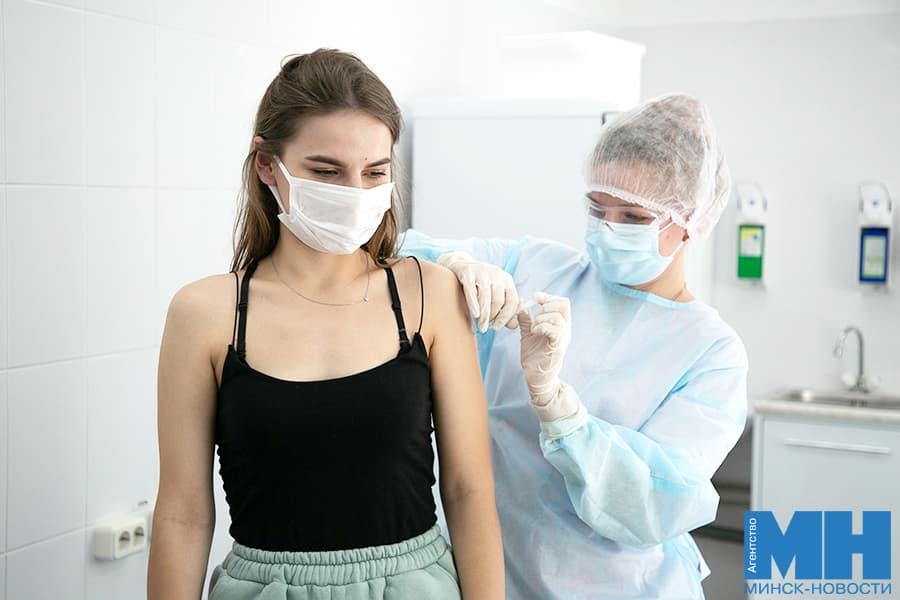
The Ministry of Health is constantly working to improve the National Calendar of Preventive Vaccinations, as well as the list of vaccinations for epidemic indications. This was told to journalists on October 6 by an epidemiologist, head of the immunoprophylaxis department of the Republican Center for Hygiene, Epidemiology and Public Health Kirill Ignatov, the correspondent of the Minsk-Novosti agency reports.
According to the expert, the relevant agency is currently considering the inclusion of protection against several infections in this list. However, to name which ones is premature.
- This is done in order not to voice positions that in the end may not be included in the calendar itself or the list of vaccinations for epidemiological indications, but will be approved by clinical protocols for the treatment or prevention of a particular disease, explained K. Ignatov.
The epidemiologist stressed that the Ministry of Health continuously assesses the effectiveness of vaccination, analyzing its impact on the spread of diseases and the severity of their course. A wide range of competent specialists were involved in this large-scale work, including the expert council on immunization of the Ministry of Health. However, it is too early to say that in 2027 the National Calendar will be expanded or supplemented with any new vaccines against infectious diseases.
The speaker continued: preventive vaccinations in our country are carried out in accordance with the National calendar, as well as epidemic indications. This includes vaccination of certain categories of the population against COVID-19.
- Currently, the National Calendar of Preventive Vaccinations of Belarus includes 13 infections, vaccination against which is carried out at certain periods of a person’s life, regardless of the epidemic situation, K. Ignatov said. These are viral hepatitis B, tuberculosis, pneumococcal infection, diphtheria, tetanus, whooping cough, hemophilus infection, polio, measles, rubella, mumps, human papillomavirus (HPV) infection, and influenza. A separate list of epidemiological indications includes 21 infectious diseases.
Thanks to long-term systemic immunization and high adherence of the population to vaccinations, Belarus manages to maintain stable epidemiological well-being and annually confirm official statuses to the WHO.
- Since 2002, Belarus has maintained the status of a polio-free country, and since 2014, the measles and rubella elimination status has been maintained, Ignatov said. From 2023, regional targets for the control of viral hepatitis B (through vaccination) have been achieved. In addition, since 2011, no cases of diphtheria have been registered in the country, and the incidence of tetanus was reduced to isolated cases among unvaccinated citizens in 2020 and 2021.
The speaker added that every year, even during periods of increased incidence of COVID-19, the level of coverage of preventive vaccinations of the children's population in Belarus can be kept at the level of at least 97% of the eligible contingents.