The NAS of Belarus discussed the introduction of artificial intelligence in science and its legal regulation
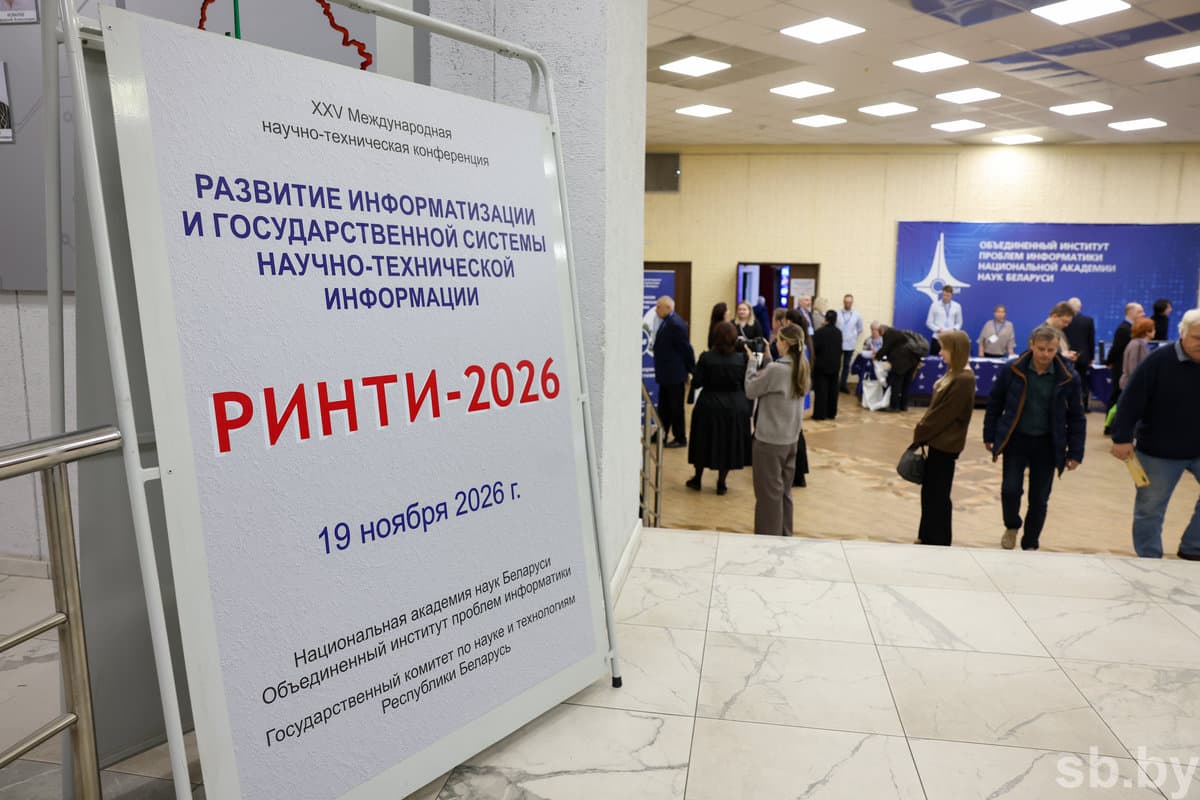
The XXV International Scientific and Technical Conference "Development of Informatization and State System of Scientific and Technical Information" (RINTI-2026) was held in Moscow.
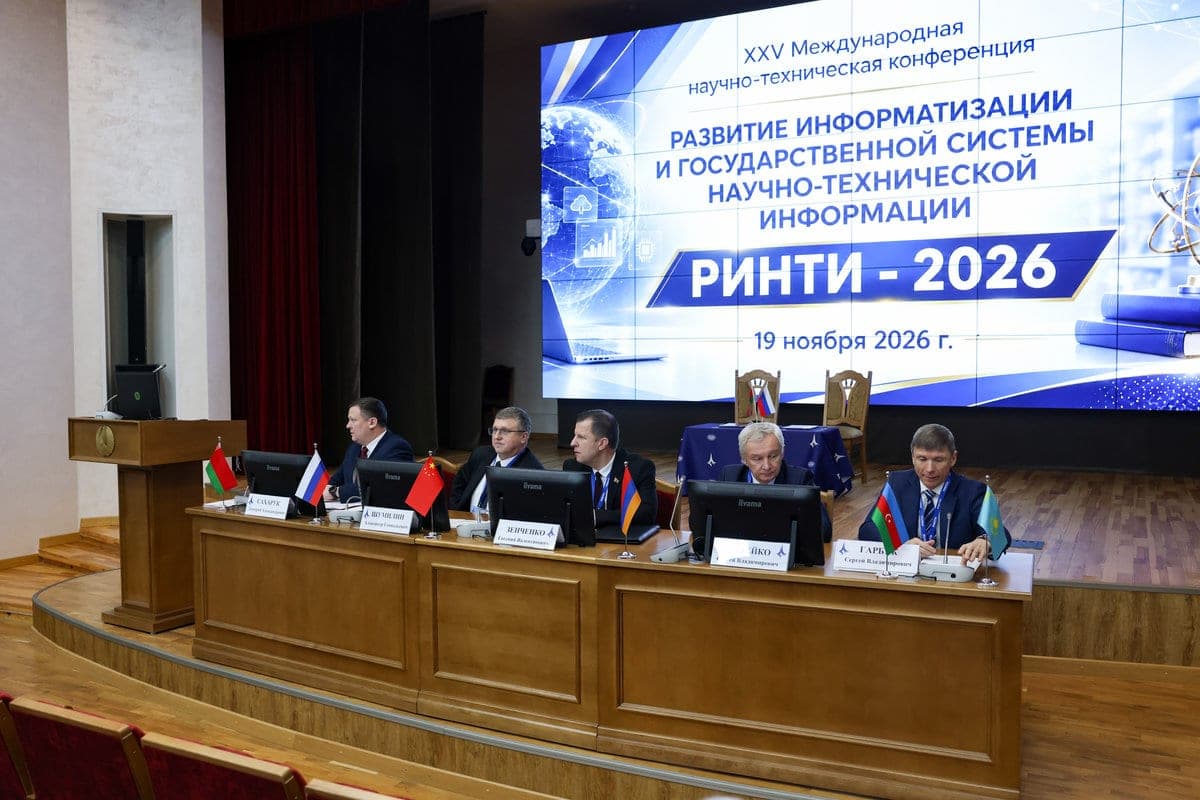
The XXV International Scientific and Technical Conference “Development of Informatization and the State System of Scientific and Technical Information” (RINTI-2026) was held at the Joint Institute of Informatics Problems (JIPI) of the National Academy of Sciences. This year it was attended by representatives of about 40 organizations from six countries: Belarus, Russia, Azerbaijan, Armenia, Kazakhstan and China. The event brought together almost 200 participants, including scientists, representatives of scientific libraries, organizations of scientific and technical information, educational institutions and the IT sector. This is reported by the correspondent of sb.by.
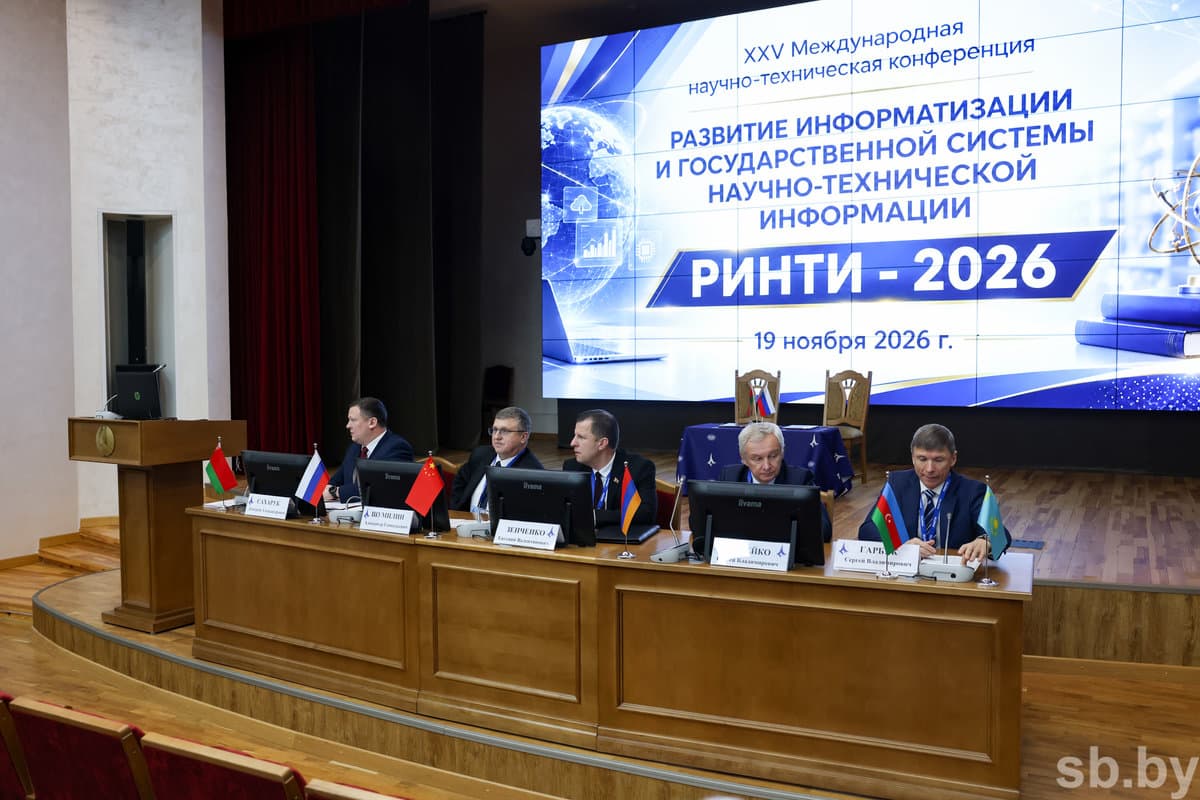
The anniversary conference became a platform for discussing topical issues of the development of the information infrastructure of science, improving the state system of scientific and technical information, the introduction of digital technologies and artificial intelligence. The event focused on the use of AI for processing scientific and technical information, automation of scientific and technical expertise, as well as issues of legal regulation of artificial intelligence in Belarus. The digital transformation of the NAS, as well as the impact of global changes on the development of intellectual communities were discussed separately.
As noted by Dmitry Sakharuk, Director General of the National Academy of Sciences of Belarus, the forms of presentation, storage, analysis of information during the development of artificial intelligence are undergoing changes:
- We need to find new ways to bring our knowledge to the scientific community, to offer new ways of working with this information. Of course, we should consider the issues of safe storage of this information, since the sphere of scientific and technological security is one of the leading roles of state security.

In addition, he noted that within the framework of the conference, a new project, which is being created jointly with the State Committee for Science and Technology, will take a separate place:
- It will review the approach to the transport infrastructure of the state system of scientific and technical information. I am sure it will significantly improve the efficiency of the system. We are talking about the creation of a single digital platform of scientific and technical information, which will provide access for any scientist of our country to the computational resource capabilities of the NAS. Thus, we will improve the quality of research and its safety. I think that by 2027-2028 the project will enter its practical phase of implementation.
Academician-Secretary of the Department of Physics, Mathematics and Informatics of the National Academy of Sciences of Belarus Alexander Shumilin emphasized that it is impossible to develop in the scientific field without the exchange of scientific and technical information.
- It is worth noting that from the point of view of national security, no one in the world puts technical information in the open access to the Internet. At the same time, processing systems such as artificial intelligence appeared. However, scientific and technical information for him is very difficult. There is a need to teach artificial intelligence to work with technical information. This is a separate specificity and direction throughout the world. It's complicated enough. The conference will also discuss the possibility of developing Belarusian platforms that would work for processing technical information.

First Deputy Chairman of the State Committee on Science and Technology Yevgeny Zenchenko drew attention to the fact that digital technologies and artificial intelligence have been identified as a cross-cutting priority in our country. This means that they should have an impact on all sectors of our economy:
- Approaches must be reviewed. Scientific and technical information should be converted into structured data sets suitable for machine processing. This is a necessary condition for the implementation of AI solutions that will predict scientific trends, assess the effectiveness of research and make managerial decisions.

Evgeny Zenchenko Technological Developments Also, within the framework of the conference, an exhibition was presented that combines scientific and technical developments of the NASB OIPI and a selection of novelties of literature in the field of scientific and technical information from the Yakub Kolas Central Scientific Library of the NAS of Belarus and the Republican Scientific and Technical Library.
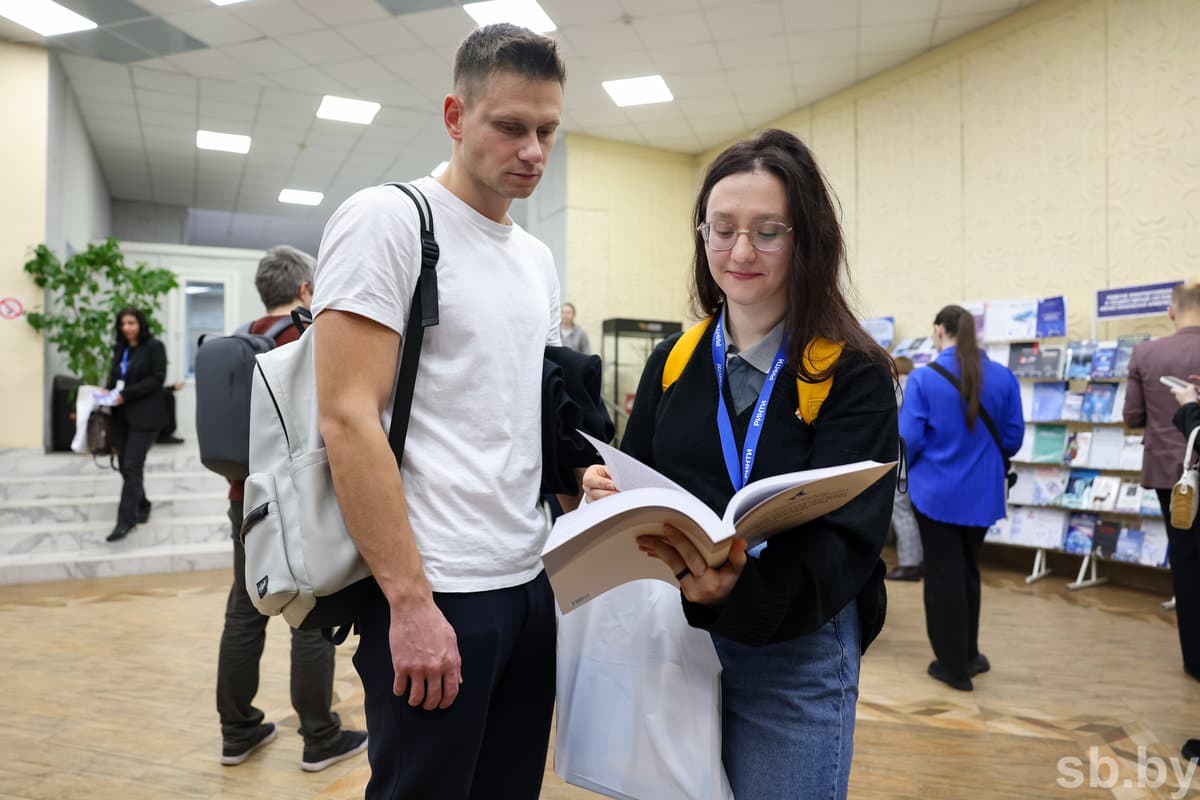
The National Library of Belarus demonstrated the SMARTCataloger project, which acts as an AI assistant bibliographer, and EDULINK KNOWLEDGE BASE, which represents a knowledge management platform for the corporate sector, scientific and educational organizations.
In turn, the NASB JIPI presented a number of developments demonstrating the possibilities of using artificial intelligence, digital modeling and information technologies in various fields. Among them is the corporate AI assistant ChatUIIP, designed for intelligent search and obtaining information from organization documents in natural language, a prototype of a virtual workplace of a researcher (researcher), providing web access to supercomputer resources for scientific research, as well as a search system for regulatory documents in the field of information security based on a local language model.
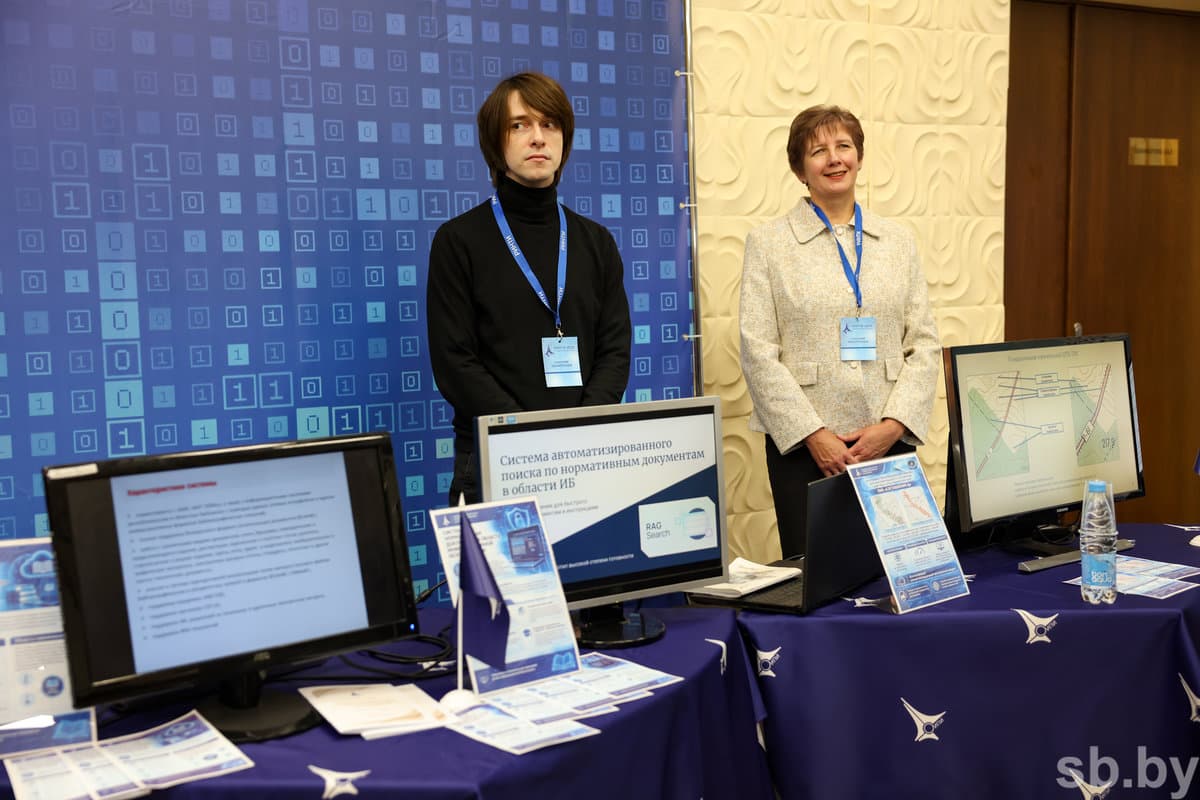
A prominent place in the exposition was occupied by developments in the field of medical informatics and bioinformatics. For example, visitors could get acquainted with the experimental software complex CXR captioning for automatic generation of projects of radiological conclusions on chest X-rays. The solution is at the research stage and is considered as a tool to support the work of the doctor. Another development is a decision support system in clinical transfusion, designed to help medical professionals choose transfusion care tactics and select compatible blood components.
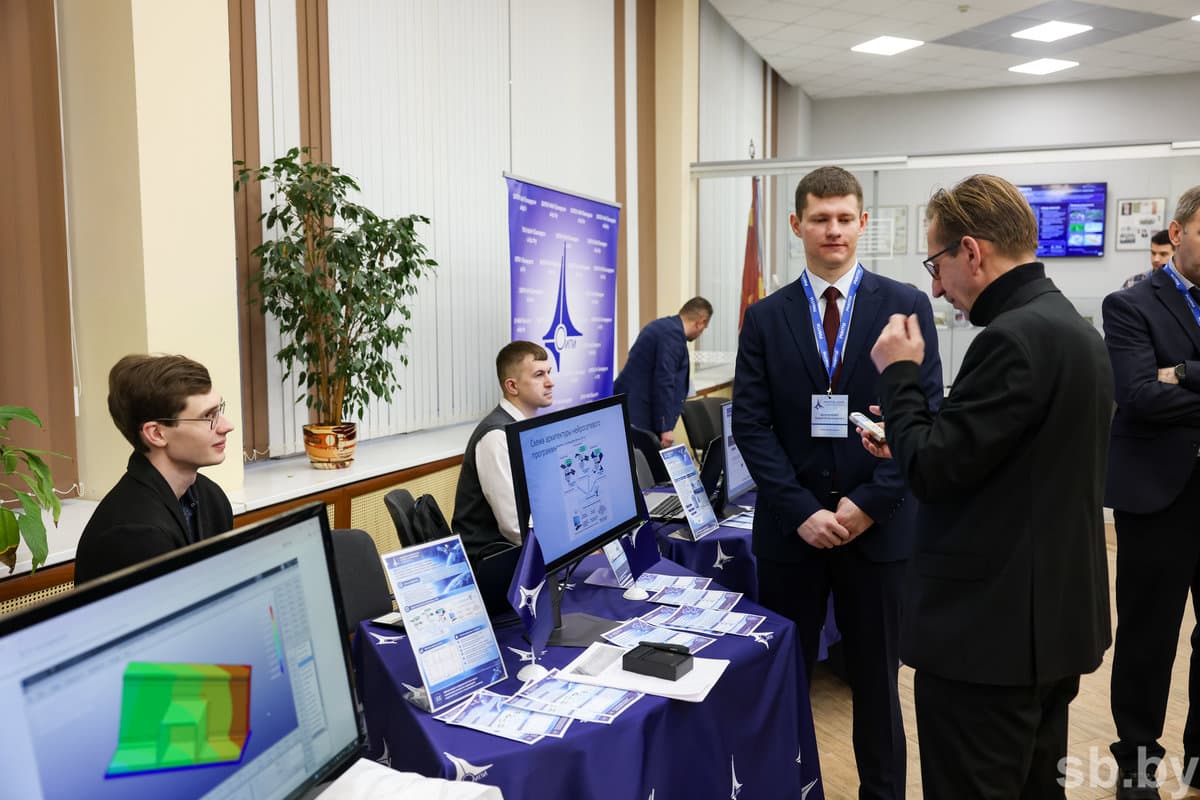
In the field of robotics, the technology of creating a digital twin of an anthropomorphic robot was demonstrated. The virtual model allows you to study the dynamics of movement, test control algorithms and practice approaches using reinforcement learning before their implementation on a real robotic platform.