
The UN explained why 2026 will be one of the hottest in history
According to the World Meteorological Organization (WMO), a member of the UN, 2026 will be among the four hottest in the history of meteorological observations
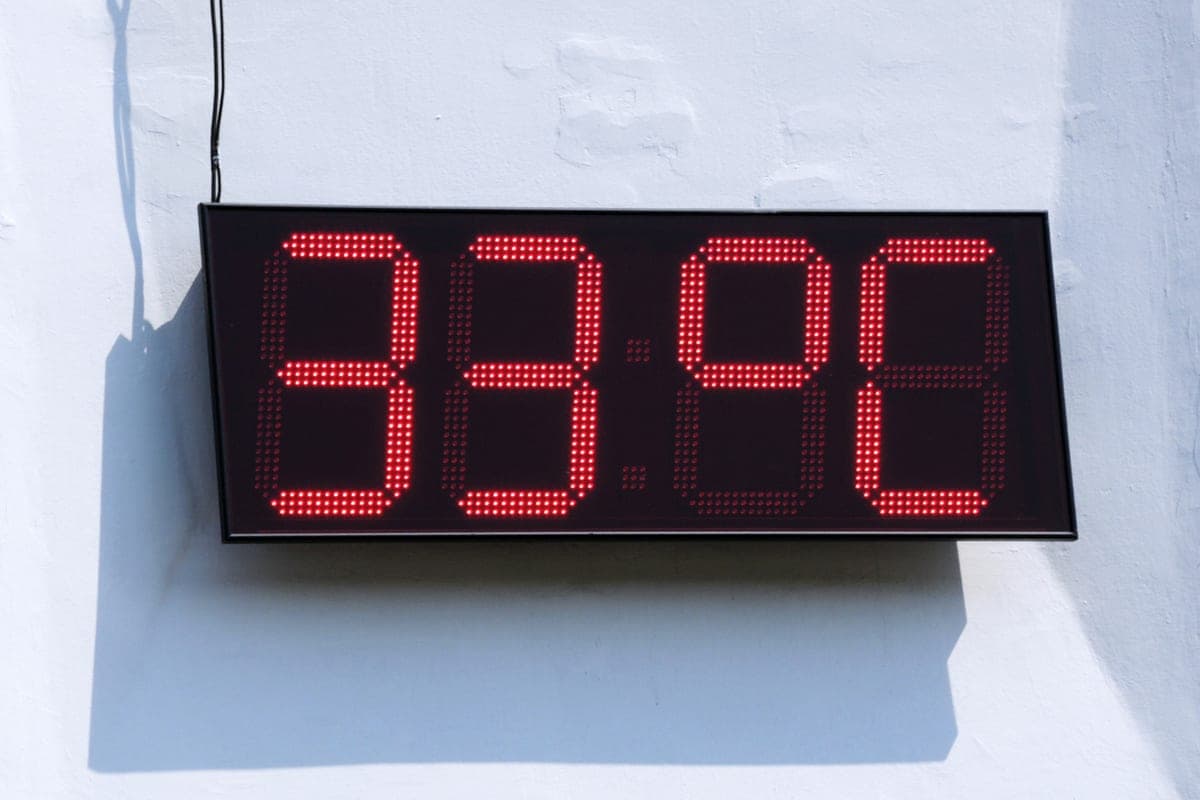
According to the World Meteorological Organization (WMO), a member of the UN, 2026 will be among the four hottest in the history of meteorological observations. The organization associates the continuing rise in temperatures with a powerful El Niño phenomenon.
The WMO report emphasizes that 2026 continues a series of periods of extreme weather: abnormally high temperatures, active melting of ice and rising sea levels are recorded around the world. El Niño is expected to lead to even more warming and more extreme events, a trend that could continue until 2027.
According to the WMO’s 2026 State of the Climate Survey, each of the past 12 years has been warmer than all the previous ones, and the last four years have ranked first in the ranking of the warmest years on record.
Between January and September 2026, global average temperatures exceeded pre-industrial levels by 1.47°C — and there is a possibility of further increases due to El Niño. The UN report also notes that the planet continues to accumulate heat: this year, ocean temperatures are breaking records, surpassing those of 2025. Energy held by greenhouse gases is manifested not only in ocean and atmosphere warming, but also in accelerated ice melt and sea level rise.


