
In the suburbs foresters wrote out fines of 15.2 million rubles for the storage of foliage and foliage in the forests
In the Moscow region summed up the results of work to curb violations of sanitary safety in forests for 2026
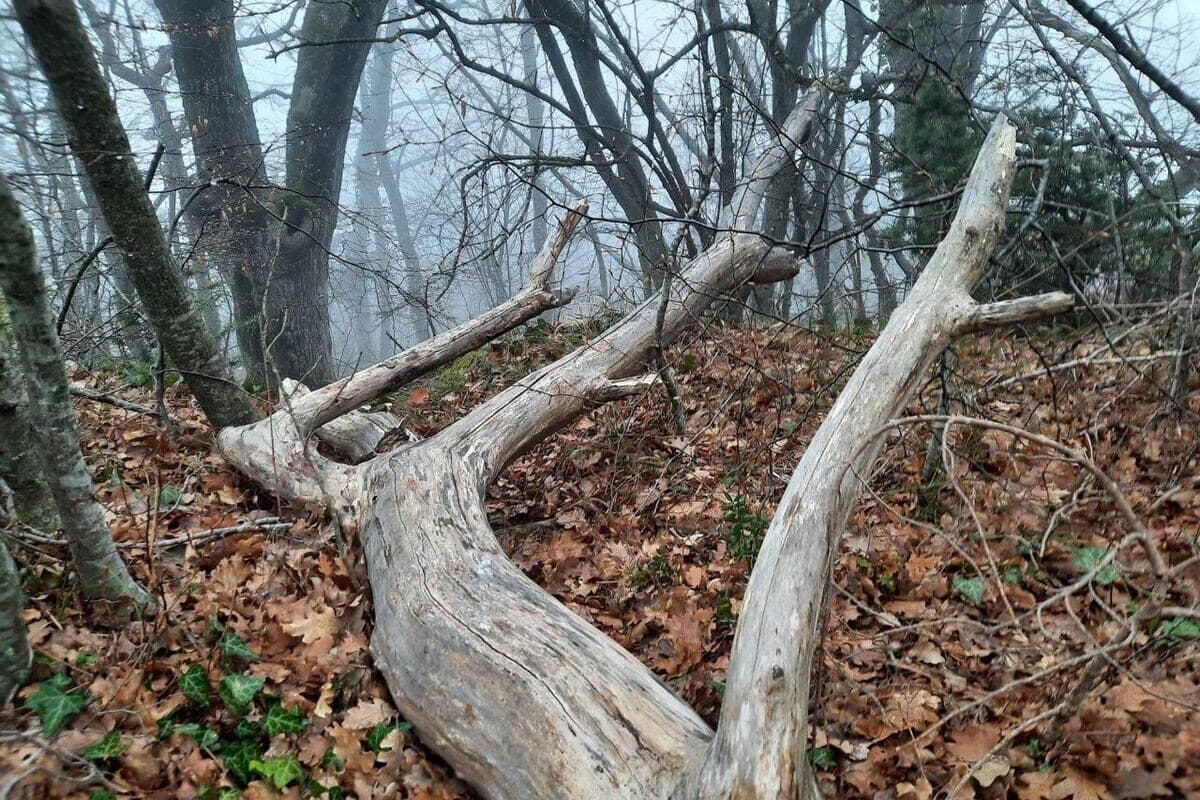
In the Moscow region summed up the results of work to curb violations of sanitary safety in forests for 2026. According to the press service of the Forestry Committee of the region, the total amount of fines imposed for the export of plant residues (fallen leaves, foliage and branches) to the lands of the forest fund reached 15.2 million rubles.
Since the beginning of the year, inspectors have opened 561 administrative cases on violations of sanitary safety rules. More than a third of them are associated with the illegal placement of plant debris in forests. At the moment, 9.1 million rubles of fines have already been recovered to the budget, and the violators compensated another 3.1 million rubles as compensation for damage caused to the forest fund.
Experts emphasize that all the forests of the suburbs belong to the category of protective. Their main task is to preserve environmental, water protection and sanitary and hygienic functions. Storage of foliage and foliage disrupts the fragile ecosystem, as it is essentially pollution of the forest by waste production and consumption.
In this regard, the region has a strict ban on the abandonment of plant residues on the lands of the forest fund and in the immediate vicinity of them. It is also not allowed to arrange compost pits on forest edges.
In practice, a fine of 5,000 rubles is provided for such a violation (according to Part 3 of Article 8.31 of the Administrative Code of the Russian Federation). In addition to administrative punishment, the perpetrator is obliged to compensate the damage caused to the forests. Calculation of damage is made in accordance with the Decree of the Government of the Russian Federation of 29.12.2018 No. 1730. In case of refusal of voluntary compensation, the amount will be recovered through the court.
As an alternative, residents of the region are recommended to compost waste on their own site, use specially equipped sites for plant waste or transfer them to a regional operator for export.


