
In the heat of quarrels, guard the plate: how partners spoil each other's food for revenge
For many years, we thought that the way to a man’s heart was through the stomach, but it turned out that often the opposite is true.
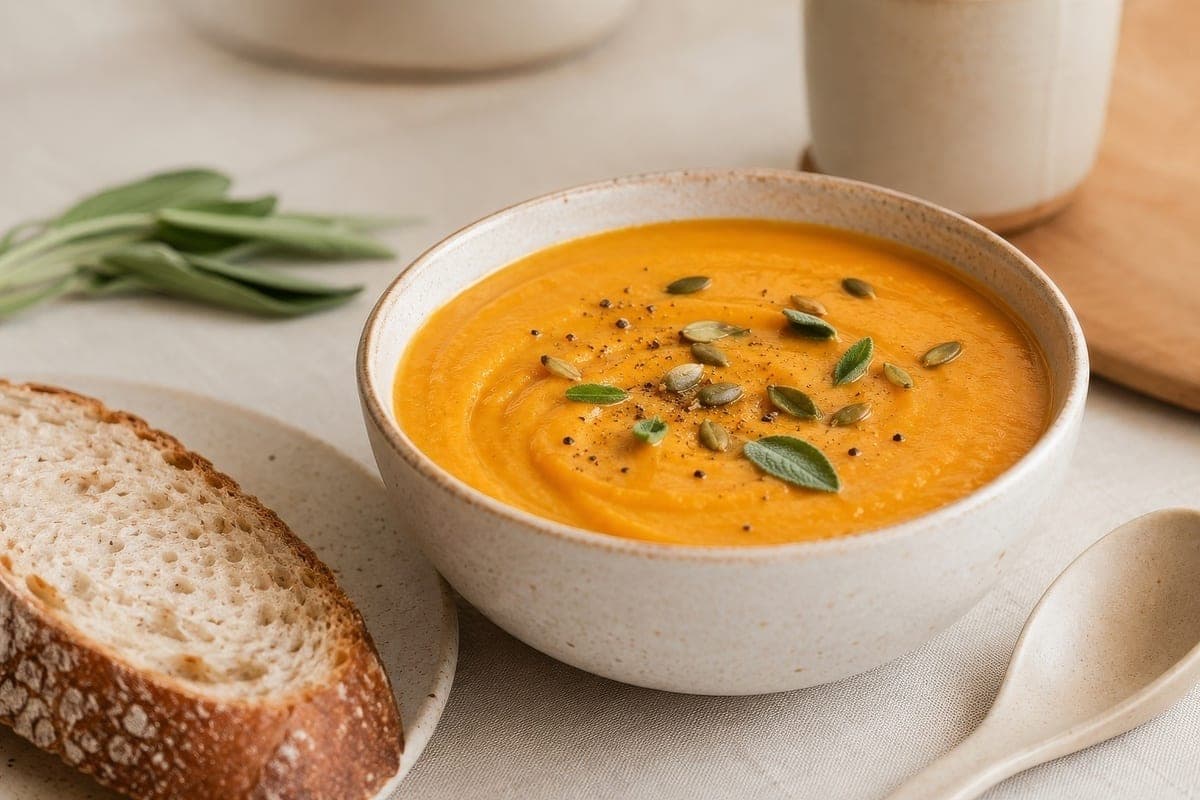
If you believe psychologists, the dish, conditionally designated by the phrase from your favorite film "Well, this is your buoyant fish!", is often offered to half as a sublimation of resentment.
- In these cases, the expression “Revenge is a dish served cold” loses its figurative meaning, turning into reality, notes psychologist Julia Kulagin. If a partner has offended them, women who do not want to go to an open conflict prefer to pay him back in the literal sense - by salting, say, soup. This phenomenon is so not new that it is reflected in popular sayings like “spit in the soup of the neighbor”. But in a couple, this is complicated by the fact that a loving partner or a person who feels his guilt is able to eat even inedible food from the hands of a loved one without wrinkling. Men also practice food revenge. But if for women it is a way to get away from direct conflict, for men it is more often the opposite – to call on his righteousness.
Statistics, however, still exist only for women. As part of a study commissioned by a supermarket chain with a home food delivery service, it turned out that half of Russian women at least once considered food as a way to let off steam from resentment against a partner. 46% of respondents admitted that they spoiled food prepared for a partner, after any of his unseemly act or rudeness: 34% of them did it only a couple of times, and 12% do it regularly. As a reason for spoiling their own cooking, the respondents called:
Abusive words during an argument – 50%
Forgotten dates important for a relationship - anniversaries of dating, wedding or birthday of mother-in-law 44%
Returning home after promised 31%
On the principle of “spit in the soup” – that is, irrevocably spoil the cooked dish – acted, according to them, only 25%. Others still regret their work and simply "add pepper" - in every sense: put an ingredient that is not specifically suitable for their partner. Not loving spicy - pour pepper, sour - generously splash citric acid, etc.
- For me, a spoiled dish is also a way to clarify the situation without asking questions that invariably lead to conflict, says 36-year-old resident of the Moscow region Alena. My husband has long promised me to start repairs in the apartment, but everything is dissuaded by the fact that he has not yet accumulated the necessary amount. I have to remind him how annoyed he is. He can't stand too salty, and when I want to remind him of repairs, I just put salt in my heart. If he crooks but eats silently, I know he has nothing to say yet. But as soon as he is ready to begin repairs, he will immediately remember who the owner is in the house, and will be outraged by oversaltness. In the meantime, it is his fault, silently sipping everything he gave.
- So he understands everything?!
- Well, he's not stupid. He just knows that if he begins to resent the taste of the dish, I will immediately remember him and repairs and other unrestrained promises. Until he has nothing to say, it is easier to eat silently. He wants to eat, and who else would cook him!
According to the study, while a partner eats a spoiled dish, 44% of their cooks worry that they will lose their temper, 19% experience mild guilt, and 12% receive secret satisfaction.
If a man notices that the dish was spoiled on purpose, 37% of Russians expect him to laugh, 25% - that he will understand the reason, and apologize, and 19% hope that the partner will pretend that he did not notice anything, but will do the organizational conclusions.
According to the observations of psychologists, the “avenger at the stove” is increasingly the stronger sex.
- When we first moved in with my young man, he tried to blame me that I have to cook homemade food, or the purchase is harmful, says 28-year-old Muscovite Sophia. But I don’t leave work until 7:00 p.m., I get home by 9:00 p.m., no more. And I am not one of those mistresses from God who once and for all is ready. A couple of times I tried to cook in such a tired state, but it turned out so disgusting that Stas himself told me that it was better not to. But apparently he wanted to teach me a personal example. Usually on Saturdays we go to theater-exhibitions or to the movies and walk. And then he sent me with his girlfriends, and he stayed home under some pretext. I come back in the evening, and he coughs: here, he says, prepared for a week. And let's buy me this. I've tried it, it's a rarity! But I realized that this was a lesson for me, and I decided to outsmart him.
- How else can you outsmart?!
- Well, he was clearly counting on me to start crooking and resenting, which is inedible, to raise my favorite topic about the benefits of home cooking and who should spend their time on it. And I know what I eat, and I praise it. And it went on all week, and he prepared it. In the end, on Friday, he himself could not stand: he asked me if his cooking was inept. And I'm like, you know, even if the food didn't taste good, it still tastes good to me, because you've spent your time and your legal day off on it. He had nothing to say, and the flight was cancelled. After that, we came to a consensus: on the weekend, we cook together a dish that we both love. And on weekdays, we order homemade food delivery from a cafe that suits both.
- There are more women who find it easier to hint at salted or peppered food than to talk honestly, says psychologist Svetlana Derkach. But men who today generally began to take on home cooking, on the contrary, with a defiant taste, can try to summon their half to a painful conversation.
The method of food revenge, judging by the results of the survey, is largely inspired by popular culture and environment. 37% of Russians said that the idea to express insult through food came after watching TV series or movies. Another 25% tried it on their own initiative, and 19% took the idea from friends. 29% of wives and girlfriends prefer to spoil their favorite breakfast, 38% of lunch and 31% of dinner.
Those who confessed to food revenge also showed their own code of honor: 44% believe that revenge on a partner with the help of food is possible only after a few years of relationship, and 25% - only after a long marriage. 13% believe that food revenge is appropriate regardless of how long a couple has been together. So far, only women have been interviewed, but there will be more.


