
In the Rostov region, more than 3.4 million rubles will be allocated for pheromone traps
FKU “Center for ensuring the activities of the Treasury of Russia” announced the purchase of pheromone traps and dispensers for the Rostov region
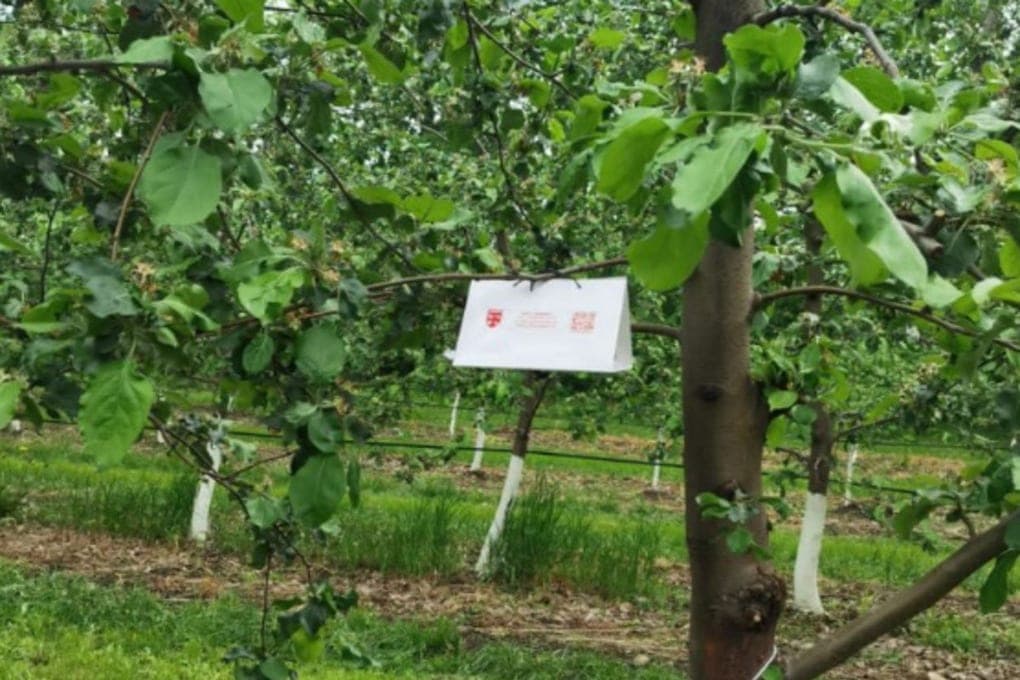
FKU “Center for ensuring the activities of the Treasury of Russia” announced the purchase of pheromone traps and dispensers for the Rostov region. The total amount of the contract is 3.46 million rubles. Applications from potential suppliers will be accepted until November 26, 2026.
The batch of protective equipment is designed to monitor and capture a wide range of agricultural and quarantine pests. The list of catches includes more than 20 items, including various types of scoops, fruit grinders, as well as the American white butterfly, western corn beetle, caper beetle and potato moth. Special attention is paid to the pests that pose the greatest threat to the agricultural sector of the region: the largest volumes of purchases fall on traps for capre beetle and South American tomato moth.
Delivery of goods is planned in Rostov-on-Don at 214a Malyugina Street. Traps and dispensers are expected to arrive in the region between January 12 and February 27, 2027. The specification describes in detail the requirements for product characteristics, including dimensions, materials and storage conditions, ensuring maximum efficiency of future purchases.
In Rostov, ash emerald narrow-bodied gold destroyed 20% of urban forests. The pest is able to dry ash in at least two days: insects live in the trunks of trees, and winter in the roots. Damaged trees become emergency and threaten the life and health of residents, and the only way to fight is cutting down with the destruction of roots.
As of the end of March 2026, the damage is about 443 hectares – this is a fifth of the Rostov forests. Significant damage to the zlazka caused Nightingale grove, where 87% of the massif consists of ash: it is possible that the forest may lose almost all plantings.
Emergency trees are cut down so far, but mass felling in the city has not yet been planned - specialists cut down the trunks partially, work is carried out along the highways and in popular areas for walking.


