
In Sochi on October 13 celebrate Mikhail Solomenny: folk signs, traditions and bans of the day
On Tuesday, October 13, 2026, the residents of Sochi, as well as the whole of Russia, celebrate on the national calendar of Mikhail Solomenny, also known as Grigoriev Day
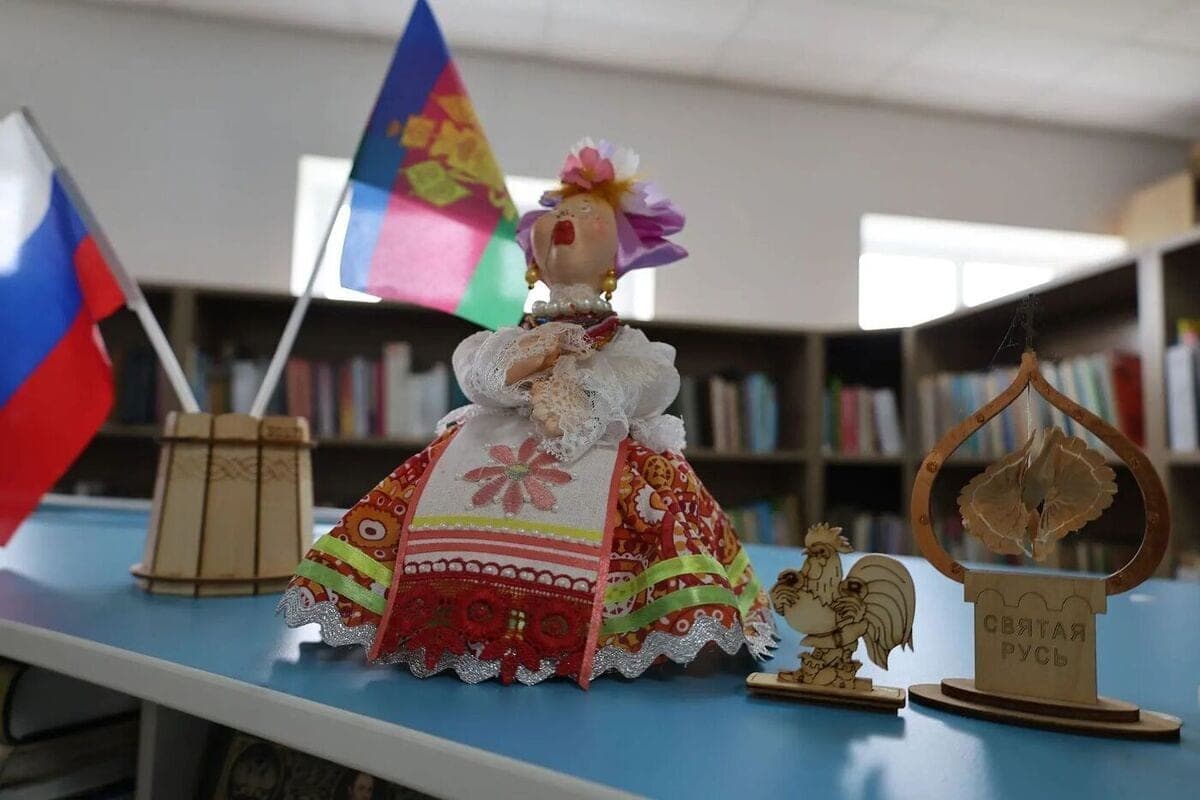
On Tuesday, October 13, 2026, the residents of Sochi, as well as the whole of Russia, celebrate the national calendar of Mikhail Solomenny, also known as Grigoriev Day. This date is associated with the ancient customs of preparing the house for winter, beliefs about family well-being and weather signs by which our ancestors tried to predict the onset of cold weather.
In the Orthodox calendar, October 13 is associated with the memory of St. Michael, the first Metropolitan of Kiev, as well as St. Gregory of Pelshem. The day precedes one of the most important Orthodox holidays - the Intercession of the Most Holy Mother of God, which is celebrated on October 14.
The main tradition of Mikhail Solomenny was the renovation of beds. In ancient times, peasants changed straw in mattresses, and the old one was burned. It was believed that with her home leave sickness, trouble and accumulated negative energy.
On this day, it was also customary to clean, check the condition of the dwelling, insulate outbuildings and prepare for winter. Particular attention was paid to the cleanliness of clothes and bedding.
There was a belief that bringing the order of October 13 helps to attract well-being to the house and preserve the health of family members.
According to popular beliefs, on October 13 it was not recommended to quarrel with relatives, swear and clarify relations. It was believed that the conflicts that arose on this day could last for a long time.
They also tried not to accept gifts from strangers. According to ancient ideas, along with other people's things, it was possible to take over the troubles of their owners.
I was not advised to go to the forest alone. Our ancestors believed that on the eve of the Intercession, forest spirits become especially restless and can knock a traveler off the road.
Another ban was on dirty and worn clothes. It was believed that unkempt appearance on this day can attract poverty and disease.
The people believed that a calm atmosphere in the family, cleanliness in the house and good deeds on this day help to maintain prosperity throughout the coming year.
At the same time, folk signs and prohibitions are part of the cultural heritage and have no scientific confirmation. They reflect the ideas and everyday traditions of past generations, many of which have survived to this day.


