In Sochi on October 23 celebrate Evlampiy Winter Indicator: what actions can deprive money and luck
On Friday, October 23, according to the national calendar, Evlampiy Winter Indicator is celebrated - a day with which in Russia the approach of winter, family well-being and protection of the hearth were associated
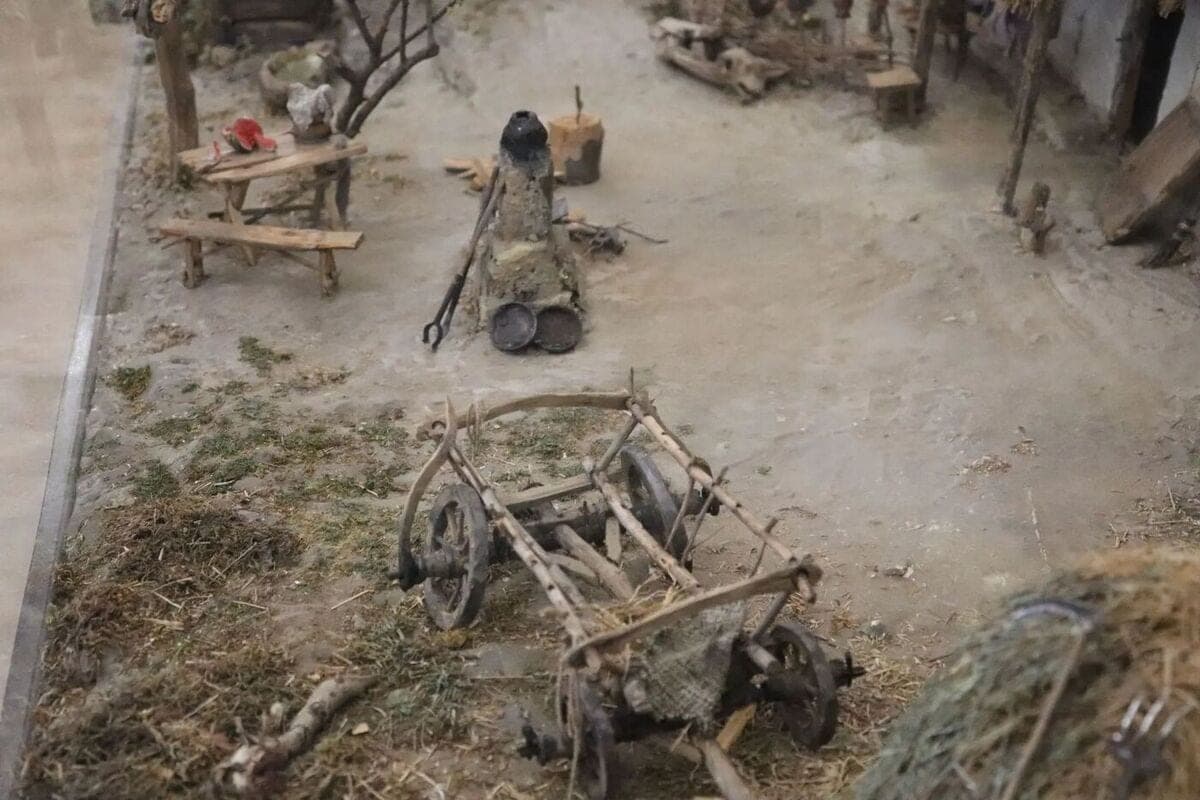
On Friday, October 23, according to the national calendar, Evlampiy Winter Indicator is celebrated - the day with which in Russia the approach of winter, family well-being and protection of the hearth were associated. On this date, the Orthodox Church honors the memory of the holy martyrs Eulampius and Eulampia, brother and sister, who suffered for the Christian faith. In the old days, people prepared homes for the cold, stocked up firewood and rays for lighting houses, checked supplies and completed economic affairs. Particular importance was attached to fire, which was considered a symbol of heat, cleansing and protection from trouble.
According to popular belief, on October 23 it was not recommended to lend money, make expensive purchases and count savings before noon. It was believed that violating these prohibitions could lead to financial losses. Also, the ancestors tried not to sweep the floor and not to take out garbage, fearing to get rid of household wealth with it. Undesirable were quarrels, gossip, the beginning of major affairs and wedding celebrations. At the same time, the day was suitable for quiet housework, needlework, caring for relatives and helping those in need. According to tradition, the families spent the evening together, trying to preserve peace and a friendly atmosphere.
The main weather signs of Evlampiev day were associated with the moon, wind and autumn weather. If the horns of the young month are directed to the north, the people expected an early and severe winter, and if to the south - prolonged heat and slush. The north wind foreshadowed cooling, morning frost was considered a sign of approaching frosts, and the absence of frost promised several more weeks of mild weather. For residents of Sochi, where autumn is usually longer and warmer than in most regions of Russia, these signs are primarily of cultural interest. All prohibitions and predictions related to the holiday belong to popular beliefs and have no scientific confirmation.