
In Sochi Arboretum blossomed and bears fruit durillo
In the arboretum of Sochi now looks especially spectacular Viburnum tinus - kalina with bay leaves, known in Spain as durillo
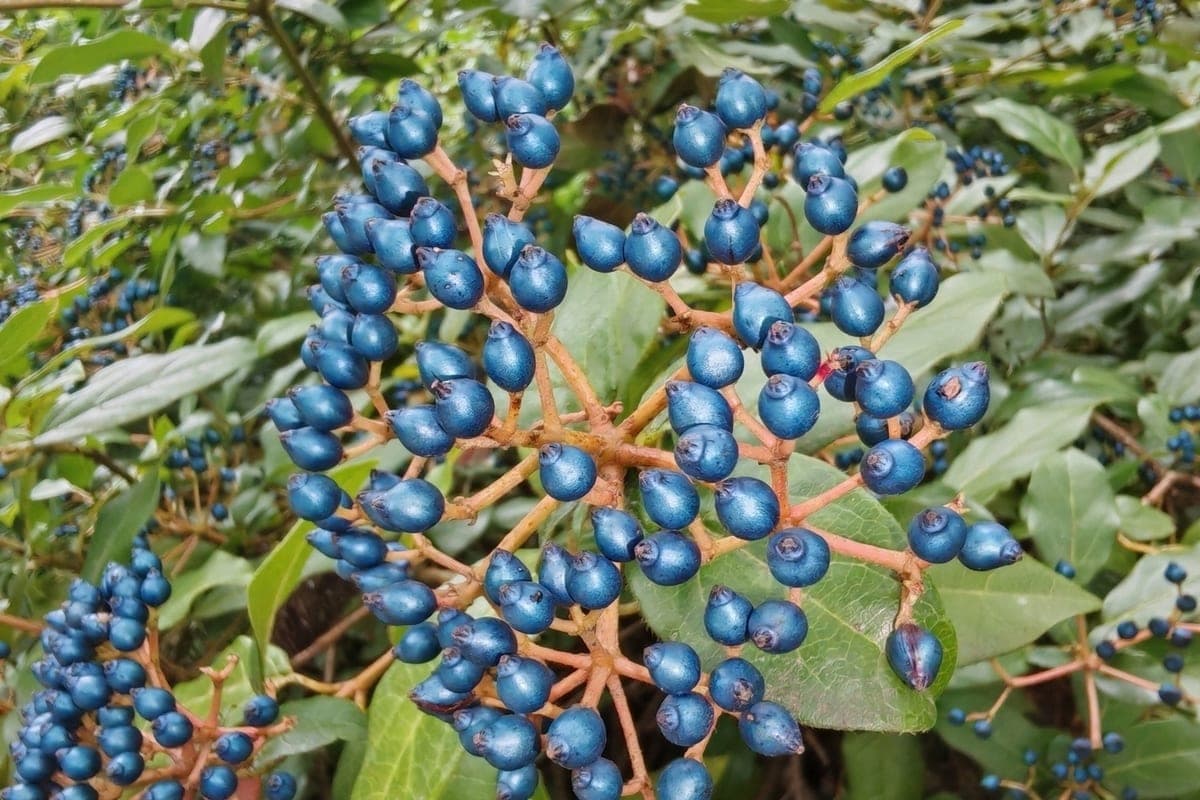
In the Arboretum of Sochi, Viburnum tinus is now especially spectacular - a kalina with laurel leaves, known in Spain as durillo. The name comes from the Spanish duro - "solid": it accurately reflects the nature of the plant with dense, leathery, glossy leaves that retain a green color all year round.
Now the shrub attracts attention with blue fruits - oval bones, which, as they mature, acquire a metallic blue, almost steel shade, and by full maturity darken almost to black. Berries stay on branches for months and often coexist with new white flowers: on one bush you can simultaneously see last year's fruits and fresh inflorescences. It is this feature that makes the durillo a kind of “bridge” between the seasons.
For humans, berries are inedible - they can cause irritation of the oral cavity, and in traditional medicine they were used as a strong laxative. But for birds it is an important source of food in winter: thrushes and other birds actively peck fruits, simultaneously spreading seeds.
In addition to its decorative value, the durillo is valued for endurance: it tolerates pruning, drought, urban smog and poor soils well, and recovers quickly after freezing. In ancient times, flexible branches of the shrub were used for weaving baskets and binding sheaves, and infusions of leaves - as an antipyretic. Today, the plant remains one of the most reliable options for a Mediterranean garden.
You can find a durillo in Arboretum near a bamboo grove at the Love Cabin - now it is just in its "blue" pore.


