
Taste of the Caucasus: gastrotourism becomes a new driver of the NCFD economy
The North Caucasus is undergoing a fundamental transformation of the tourism model.
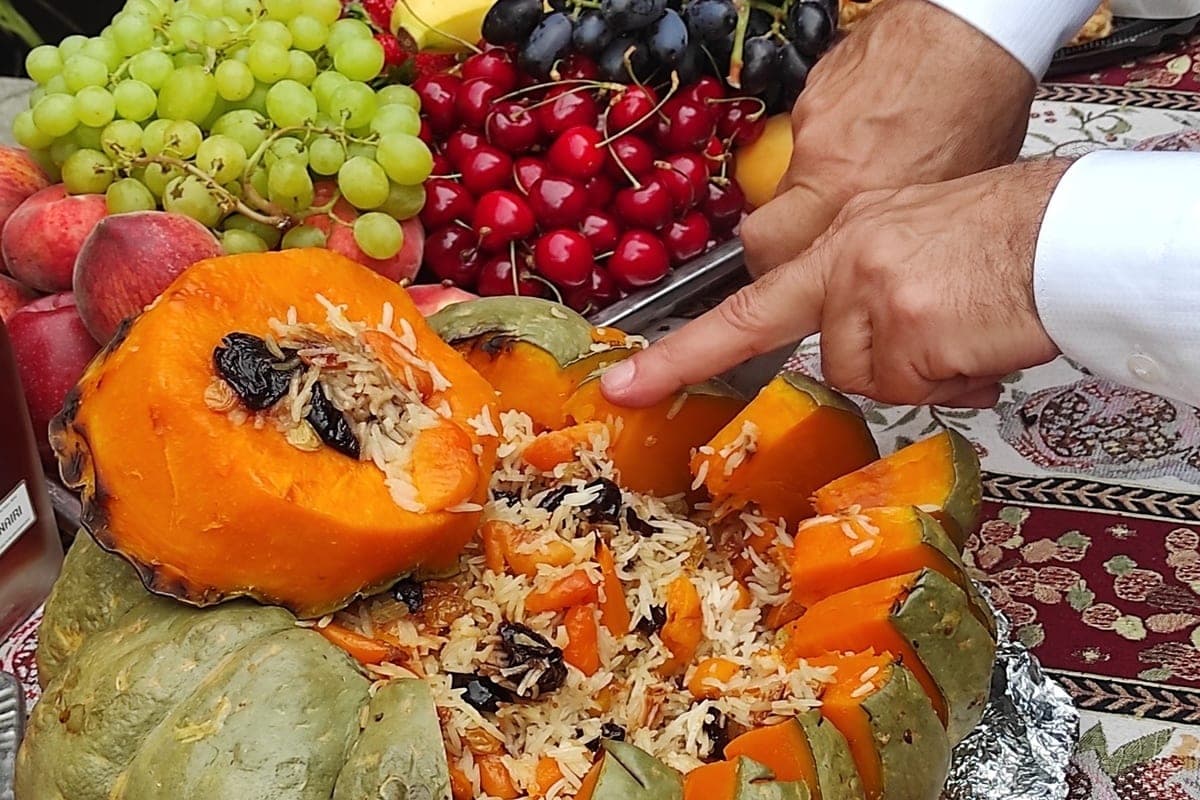
The North Caucasus is undergoing a fundamental transformation of the tourism model. The classical sightseeing is replaced by the era of the “economy of impressions”, where gastronomy plays a key role. Travelers no longer want to just look at mountains - they want to "taste them." This global shift from passive sightseeing to knowledge of the world through local cuisine is now becoming a significant vector of development of NCFD, turning traditional feasts into a highly profitable sector of the region's economy.
Global Trend and Russian Specificity
According to the data voiced by the President of the International Enogastronomy Center Leonid Gelibterman, gastrotourism has ceased to be a niche hobby and has become a serious industry. Statistics confirm this thesis: in the first nine months of 2026, the domestic tourist flow in Russia reached 71 million trips.
Experts note an important detail – the increase in the share of independent travelers compared to 2025. It is the “lone tourist” who today is the main consumer of gastronomic content: he looks for authentic cafes in auls, visits farms and plans a route based on the calendar of regional festivals.
Festival boom: from Kislovodsk to Vladikavkaz
The North Caucasus perfectly fits into this request due to its unique ethno-cultural diversity. Gastronomic events in the NCFD in 2026 demonstrate record attendance rates.
The recent Call of the Ancestors festival, held on the territory of the Tatar settlement, attracted an unprecedented 45 thousand guests. The success of the event was ensured by the synthesis of history and cuisine: visitors tasted dishes prepared according to the recipes of their ancestors, which created the effect of complete immersion in the era.
The resort city Kislovodsk made a bet on event marketing. The annual "Festival of Bread" and holidays of Caucasian cuisine on the resort boulevard increase the daily tourist flow during the off-season by 15-20%. For the business community, this is a signal to expand restaurant chains and invest in small bakeries.
The traditional festival of Ossetian pies in Vladikavkaz has long outgrown the scope of a local holiday. In 2026, the republic recorded an increase in gastronomic bookings by 25%, while the average check of a tourist coming specifically for an event weekend is 30% higher than that of an ordinary transit traveler.
In Dagestan, gastrotourism develops through integration into ethno-routes. Master classes in moulding kurze in the mountains and festivals of Caspian cuisine in Derbent form a unique trade offer of the region, attracting a solvent audience from megacities.
Expert Opinion: The Economics of the Check
Experts of the Russian Union of Travel Industry (PCT) emphasize that gastronomy is the most effective way to “hold” money within the region. While hotel fees often go through booking systems, the costs of food, local cheeses, wine and workshops remain directly with local entrepreneurs and farmers.
Experts emphasize that gastrotourism is not only restaurants, but also agriculture, logistics and education. For NCFD, this means creating new jobs in rural areas, where tourism is becoming an alternative to traditional agricultural production.
In 2026, gastronomic tourism in the North Caucasus finally became a strategic destination. The statistics prove: The Caucasus has learned to convert its hospitality into hard currency. Investments in food infrastructure, local brands and the event calendar are the most promising investments in the district’s tourism cluster. Delicious food has become a soft tool that makes the image of the Caucasus attractive and its economy sustainable.
Earlier it was reported that in 2027 the All-Russian tourist rally “Mayevka” will be held in Upper Balkaria.


