
How much will it cost to change tires in the autumn of 2026: prices and expert advice
Waiting for the first snow or changing the carnage right now? How not to overpay in the car service and what to pay attention to when diagnosing wheels to avoid expensive repairs.
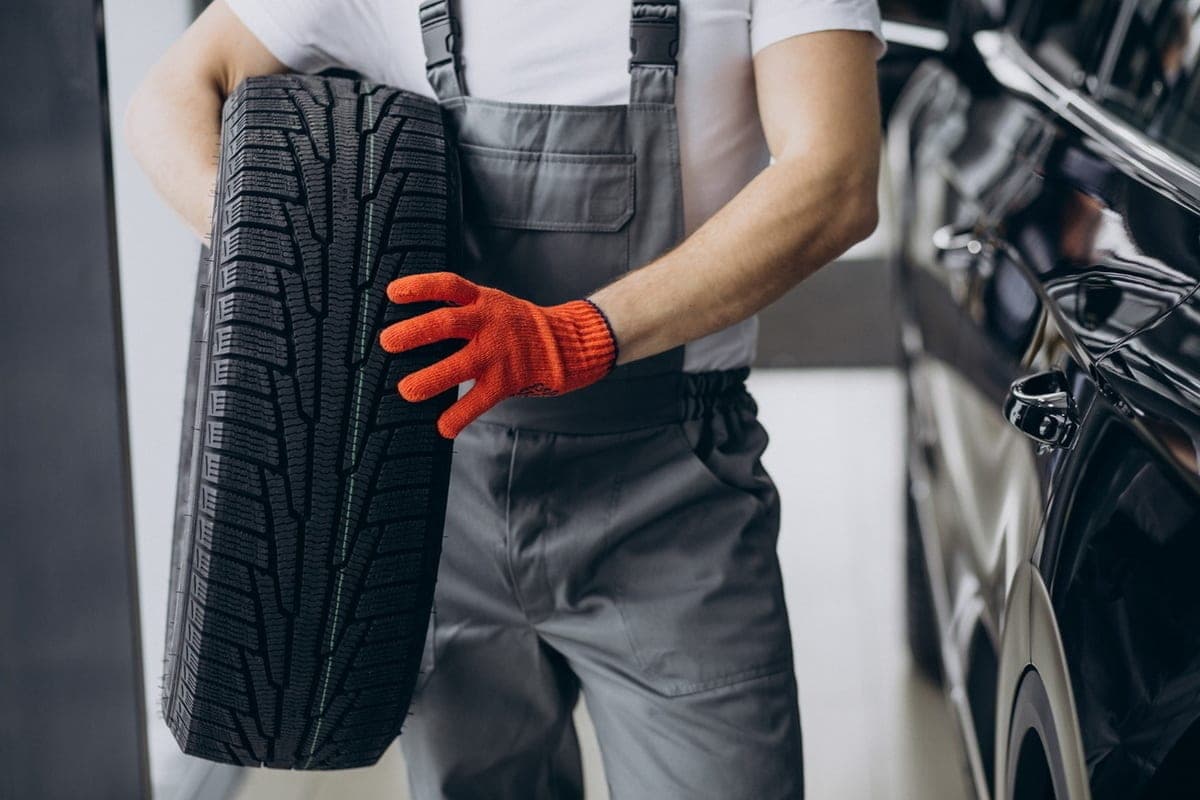
The main reference point for seasonal tire change is a stable average daily temperature of +5. +7°C. With such indicators, summer rubber begins to “blown”, losing traction with cold and wet asphalt. Waiting for ice or snowfall is a losing strategy: at this point, giant queues are formed in services, and the risk of getting into an accident increases many times. In regions with early winter, it is time to “re-shoes” now, in early October.
Good news for car owners: in the fall of 2026, the cost of tire installation stabilized and remained at the level of spring prices. The main jump in prices (an average of 10-15%) occurred in the first half of the year. No significant growth has been recorded, changes are only point-by-point in some cities.
The final check depends on the region, the diameter of the wheels, the type of disks and the availability of additional options. For mass cars with 15-inch wheels, a comprehensive replacement of four tires in Moscow will cost about 5000 rubles, and in Novosibirsk - about 4000 rubles. Owners of crossovers, low-profile tires or cars with tire pressure sensors (TPMS) should be prepared for higher amounts.
Reduce costs will help bonus programs, promotions for regular customers or package offers. However, chasing the lowest price in dubious workshops is not worth it. Poor balancing, dirty hubs or bolts stretched by a hiccuper directly threaten your safety and suspension life, writes rg.ru.
Use a visit to the service for a complete revision of the chassis:
• Evaluate the remainder of the winter tire tread (at least 4 mm by law, but it is better to focus on the general condition, the absence of cracks and the loss of spikes).
• Check the pressure in the spare and the presence of a serviceable remplekt.
• Pay attention to the nature of wear: uneven erasure of the tread is a sure sign of problems with suspension, steering or disturbed angles of collapse and descent.


