
Waterproof modern smartphones turned out to be a myth
IP marking is not an indulgence for swimming with a gadget. We understand how moisture protection actually works and why it loses its properties so quickly in real life.
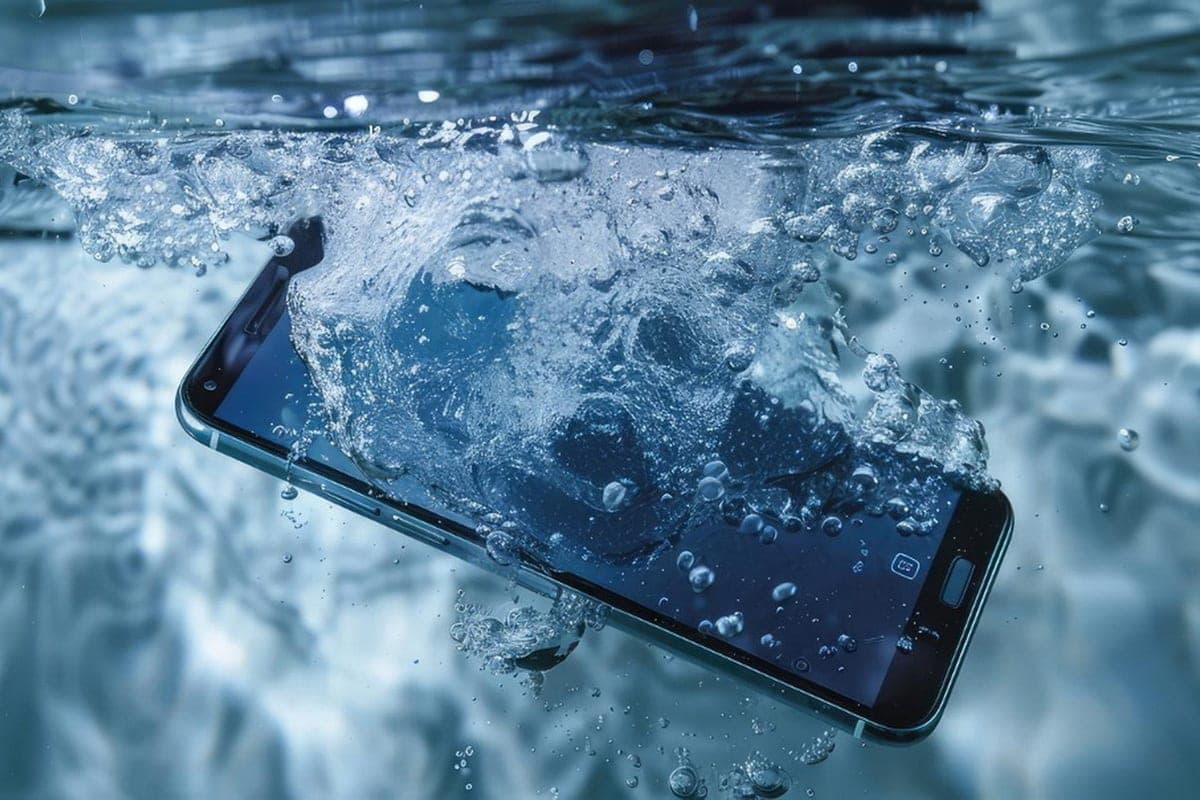
Many owners of modern flagships are sure: since the IP68 icon proudly flaunts on the box, the phone can be safely taken to the shower, swimming pool or to the sea coast. However, experts of the portal Swappa hasten to dispel this dangerous myth: absolutely waterproof smartphones on the market simply does not exist.
Let’s find out what these numbers really mean. The IP index consists of two indicators: the first is responsible for protection against dust, the second - from moisture. Yes, a device labeled IP67 or IP68 is theoretically able to survive immersion in fresh water to a depth of up to a meter for 30 minutes. But such tests are carried out in sterile laboratory conditions: with a completely new device, perfect factory seals and clean fresh water.
In reality, things work differently. If the phone falls into a chlorinated pool or salty sea water, the aggressive environment immediately begins to corrode the protective membranes and adhesive layers of the body.
In addition, water protection is not an eternal characteristic. Over time, rubber gaskets dry up from temperature changes, and microcracks after accidental falls reduce all tightness to nothing. Even a slight collision with a solid surface can disrupt the integrity of the body, something you won’t know until the first fatal contact with the liquid.
Consider the moisture protection of your gadget only a useful insurance against accidental splashes, sudden rain or a short fall into a puddle. Swimming with a smartphone, shooting underwater videos or washing it under the stream of a crane means personally bringing it closer to breakdown. By the way, warranty workshops such “water procedures” service case is not recognized, writes “Tape.ru”.