
Volgograd called the signs of oncology in a dog
Cancer diagnosis sounds frightening, but with early detection the prognosis is often favorable. The problem is that the dog cannot complain of feeling well, and the first symptoms are easily mistaken for fatigue or age. As Vladimir Golubev, President of the Russian Canine Federation, stressed, it is better to once again see a doctor and make sure that everything is in order than to miss precious time.
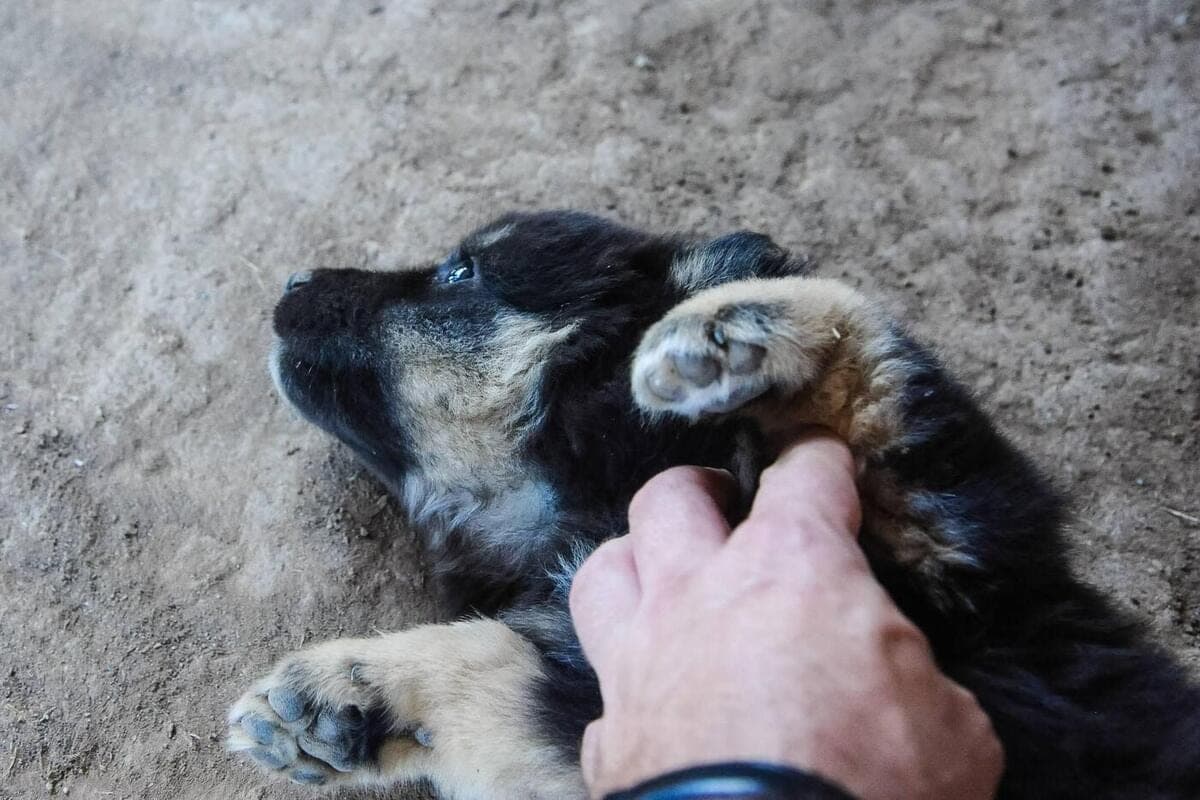
Seals and lymph nodes
Growing bumps on the body should be shown to the veterinarian as soon as possible, even if they do not cause pain to the dog. It is useful to regularly probe the pet whole: from the jaw to the paws, including the area around the anus. Special attention should be paid to dense painless lymph nodes under the jaw, in front of the shoulder blades and behind the knees - this is a classic sign of lymphoma, one of the most frequent types of cancer in dogs. Not every bump means lymphoma, but it is worth checking.
Skin and wounds
Pay attention not only to seals, but also to the condition of the skin in general. Any changes – the appearance of new spots, changes in the texture of the skin area can be a reason for consultation. Wounds that do not heal for more than two weeks are especially worrisome: they may indicate local problems, but in some cases are a manifestation of more serious processes. Regular inspection during combing or bathing helps to notice even small deviations in time.
Weight and appetite
If the dog eats as usual, but noticeably loses weight, this may indicate a disease: the body spends resources to fight pathology. Difficulty chewing or swallowing is also worrisome. The causes are different, from dental problems to inflammation, but a tumor in the mouth, throat or esophagus should be excluded first.
Coughing and shortness of breath
A cough without signs of infection – for example, without fever, nasal discharge or other cold symptoms – should alert you. Especially if it becomes permanent or is accompanied by shortness of breath. In older dogs, such a cough requires particularly close attention: it can be associated with heart or lung diseases, but can also indicate neoplasms in the chest cavity. In such cases, the veterinarian may prescribe additional examinations – x-rays or ultrasounds to accurately determine the cause.
Bleeding and discharge
Blood in the urine or feces, discharge in a sterilized bitch require an urgent visit to the clinic. At first, as a rule, inflammation, a foreign body and hormonal disorders are excluded, but the examination cannot be postponed. The unpleasant smell of discharge from the ears or mouth, which does not disappear after hygiene, is also an alarming sign: sometimes it is associated with a decaying tumor.
Lethargy
With age, the dog really becomes calmer and sleeps more, so this symptom is the easiest to miss. Veterinarians recommend older pets to be examined not once a year, but every six months.
What's important to remember
The list is not exhaustive: oncology can manifest itself in different ways, and any sudden symptom deserves attention. If seals, bleeding and foul-smelling discharge can not be postponed “for later”, then some of the conditions can be observed for a couple of days. Self-medication is unacceptable - it lubricates the picture and interferes with diagnosis. You should not panic, but it is better to immediately exclude a dangerous diagnosis than to regret the lost time.


