
Volgograd residents explained whether it is possible to get HIV through household contacts
The main ways of transmission of the virus are through blood, sexual contact and from mother to child. This was reported in the Department of Rospotrebnadzor in the Volgograd region.
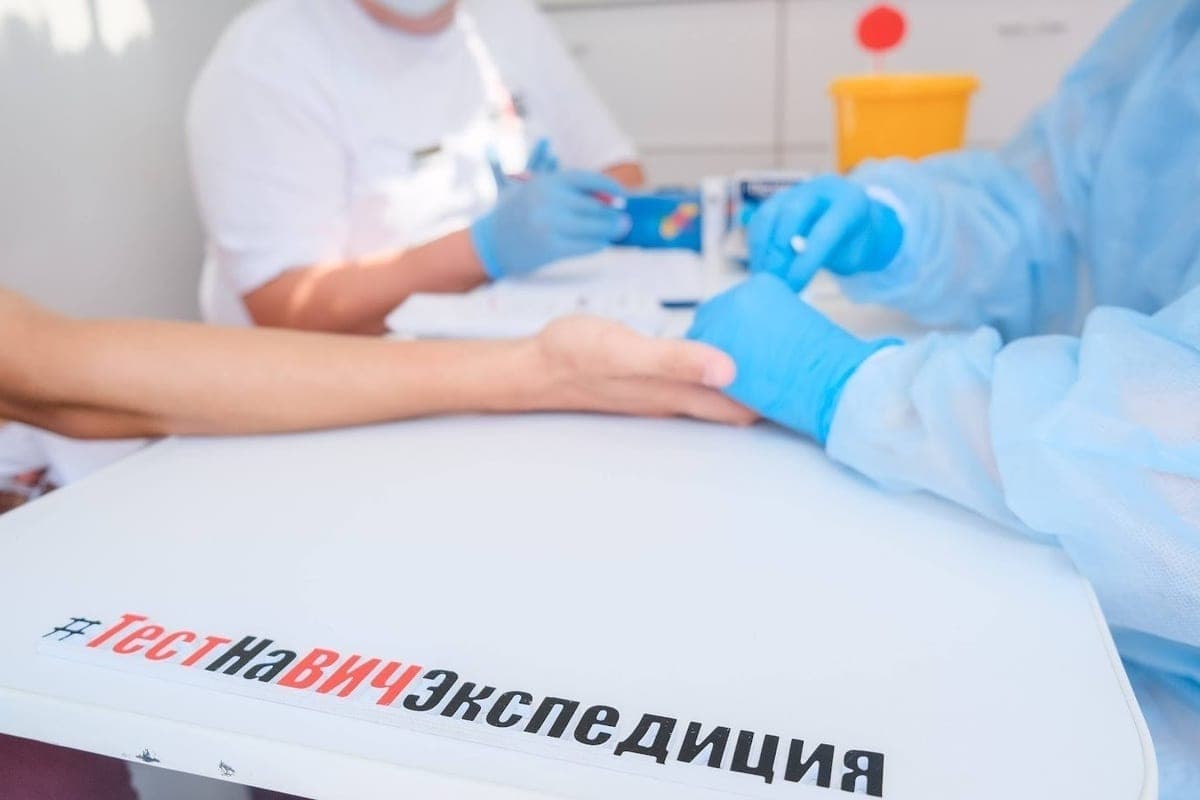
HIV infection is possible only with certain contacts with biological fluids of an infected person. For the infection to be transmitted, the virus must enter the bloodstream, mucous membranes or damaged skin.
At the same time, household contacts do not pose a threat. You can not get infected through hugs, handshakes, common dishes, bedding, coughing or sneezing. HIV is not transmitted through pool water, a shared bath or a toilet. Mosquito bites are also not dangerous in terms of infection with this virus.
However, experts advise not to come into contact with other people's blood, do not use common razors and monitor the sterility of tools. This will help to avoid not only HIV, but also other infections that can be transmitted through the blood.
It is impossible to know the presence of the virus by symptoms. HIV can develop for a long time without noticeable manifestations, so after a situation with a risk of infection, it is necessary to undergo testing. You can take the analysis in the clinic at the place of residence or in the AIDS Center.
It is important to note that in the first weeks after infection, an antibody test may not show a reliable result. They are usually produced in 3-4 weeks, but sometimes later. The timing of the re-examination is better to clarify with the doctor. A positive primary test result requires additional research at the AIDS Center.
For prevention, it is recommended to use condoms, avoid contact with other people's blood and not use common needles and syringes. With an increased risk of infection, the doctor may prescribe pre-exposure prophylaxis. If dangerous contact has already occurred, it is necessary to seek medical help as soon as possible: a specialist will determine whether post-exposure prophylaxis is necessary.
Particular attention is paid to the prevention of mother-to-child transmission of HIV. It is important for pregnant women to undergo an examination, and if an infection is detected, to begin antiretroviral therapy prescribed by a doctor. Timely treatment helps to significantly reduce the risk of infection of the child.


