
Volgograd residents told how to properly cover roses and hydrangeas for the winter
Summer is over, and the bright colors of roses and hydrangeas were replaced by autumn melancholy. To next season favorite shrubs again became the main decoration of the garden, and not frozen in the first frosts, they need competent preparation for winter. Proper pruning and shelter is the key to their health, but each species has its own strict rules.
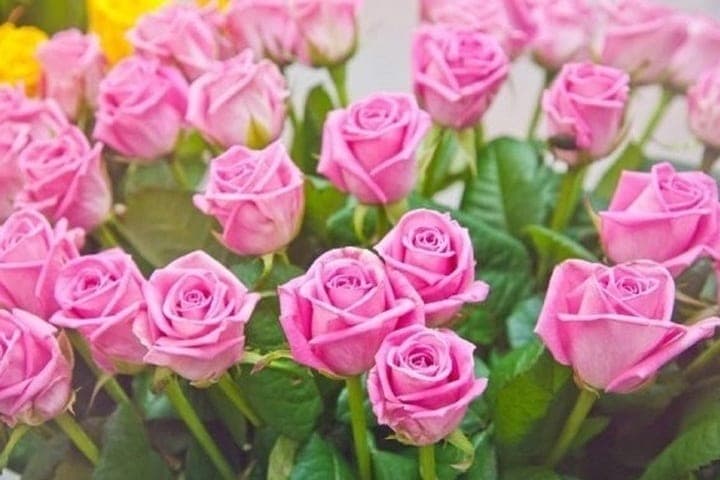
Roses. Focus on the air temperature. In the middle lane, shelter is needed when for several days in a row it lasts −3...5 ° C. Do not rush: if you do it too early, the bush will begin to excite and rot. The bush is ready for pruning when the shoots have become hard and the leaves have turned yellow. If necessary, pre-treat them with soft contact fungicides or biologics based on trichoderma - they interfere with the growth of the fungus, but do not kill living tissue. Best suitable nonwoven material density of 60 g / m2. The main thing is not to wrap the branches tightly, otherwise there will be condensation. The tissue has to breathe.
Hydrangeas. Here the benchmark is several days with a stable -5...7 ° C, but the exact timing depends on the variety. Large-leaved hydrangea should not be cut much, since flowers appear on the shoots of last year, on the first two or three buds on top. Remove only inflorescences and old thick dry branches. Flexible shoots tie in a bundle and pinned to the ground with braces, rigid - cover on a frame. The ground around the bush is covered with mowed grass or compost layer 15-20 cm. For shelter suitable fabric of agrofiber density of 60 g / m2 in two layers. Be sure to leave the air - without them the air will not circulate. Do not touch snowstorm and tree in autumn: future inflorescences are laid on the growth of the new season, so they are cut in spring. The only thing worth removing is old flower caps, under the weight of wet snow they can break branches. And fill the ground near the trunk with a layer of peat or compost 10-15 cm deep.


