
Volgograd residents November 12 expect cars and a calm magnetic field
After a busy beginning of November, the Earth gets a long-awaited respite
Geomagnetic environment: long-awaited respite
The first half of November was tense due to a large coronal hole and a series of solar flares. However, by Thursday the situation has stabilized. According to the world's space weather forecasting centers, no magnetic storms are expected on November 12.
The activity index is in the green zone. The predicted planetary K-index during the day will not exceed 2-3 points. A full-blown magnetic storm starts only at 5 (G1), so the magnetosphere will remain calm with allowable short-term fluctuations.
A large coronal hole on the Sun, which provoked recent disturbances, almost left the side facing the Earth. The rate of solar wind flow continues to decrease, and plasma emissions directed directly at our planet have not been recorded.
Specialists of the Solar Astronomy Laboratory of the IKI RAS estimate the probability of a magnetic storm on November 12 at only 7%. For weather-dependent people, the day will pass without sharp geomagnetic shocks. If you feel a headache or fatigue, the cause is likely to be autumn changes in atmospheric pressure and weather, not solar activity.
What's interesting in the sky
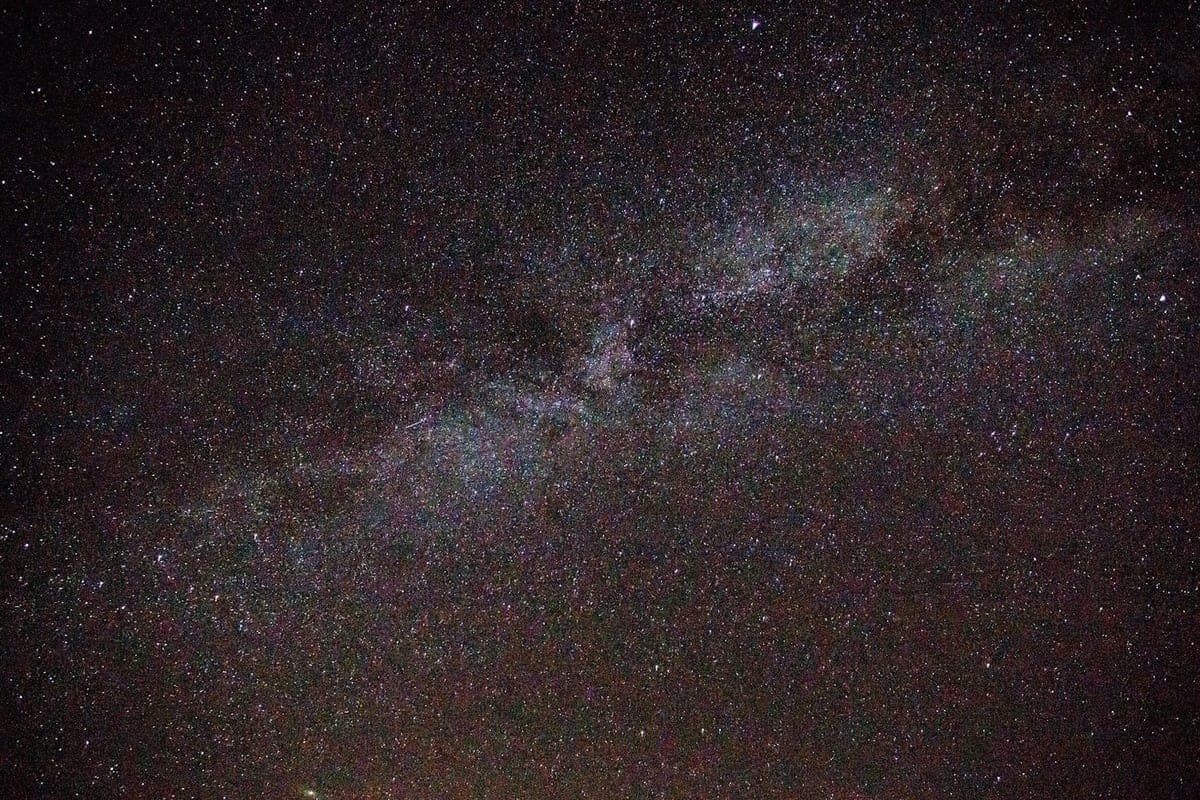
At night, the North Taurid meteor shower reaches its maximum, which is not related to abundant starbursts - about five meteors can be seen per hour. But this stream is famous not for frequency, but for entertainment. It is associated with the asteroid 2004 TG10, in the plume of which there are many large particles the size of a centimeter or more. Flying into the Earth's atmosphere at a relatively low speed (about 29 km / s), they do not burn instantly, but slowly draw the sky, flashing bright bolides. In brilliance, such flares sometimes surpass Venus - the brightest object of the night sky after the moon.
On November 12, the moon will look like a thin, growing sickle, illuminated by less than 10 percent, and will disappear early beyond the horizon. The sky will remain dark, which will allow you to see even the brightest “falling stars”. Get out for observation after midnight. By this time, the constellation Taurus, where the radiant of the stream is located (the point from which meteors visually fly out), will rise high above the horizon.
Choose an outdoor area away from city lights and street lights. Landmark: looking directly at the constellation Taurus is not necessary - long tracks of bolides can appear in any part of the sky. Give your eyes 15-20 minutes to get used to the dark and remember to dress warmly: November nights require patience and hot tea.
In addition to meteors, a noticeable chain of planets begins to line up in the morning sky before dawn - in the eastern and southeastern parts of the sky you can alternately find bright Jupiter, reddish Mars and morning Venus.


