Issues of ecology, AI: what is discussed at the meeting of the Secretariat of the Congress of Leaders of World and Traditional Religions
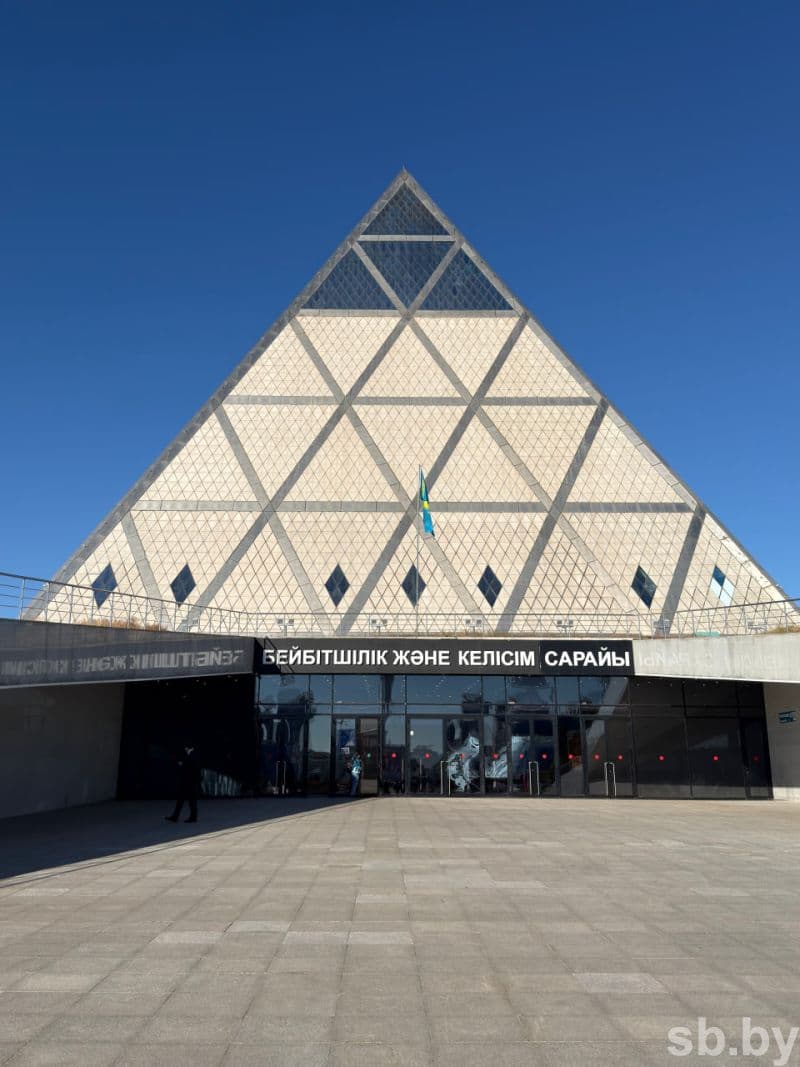
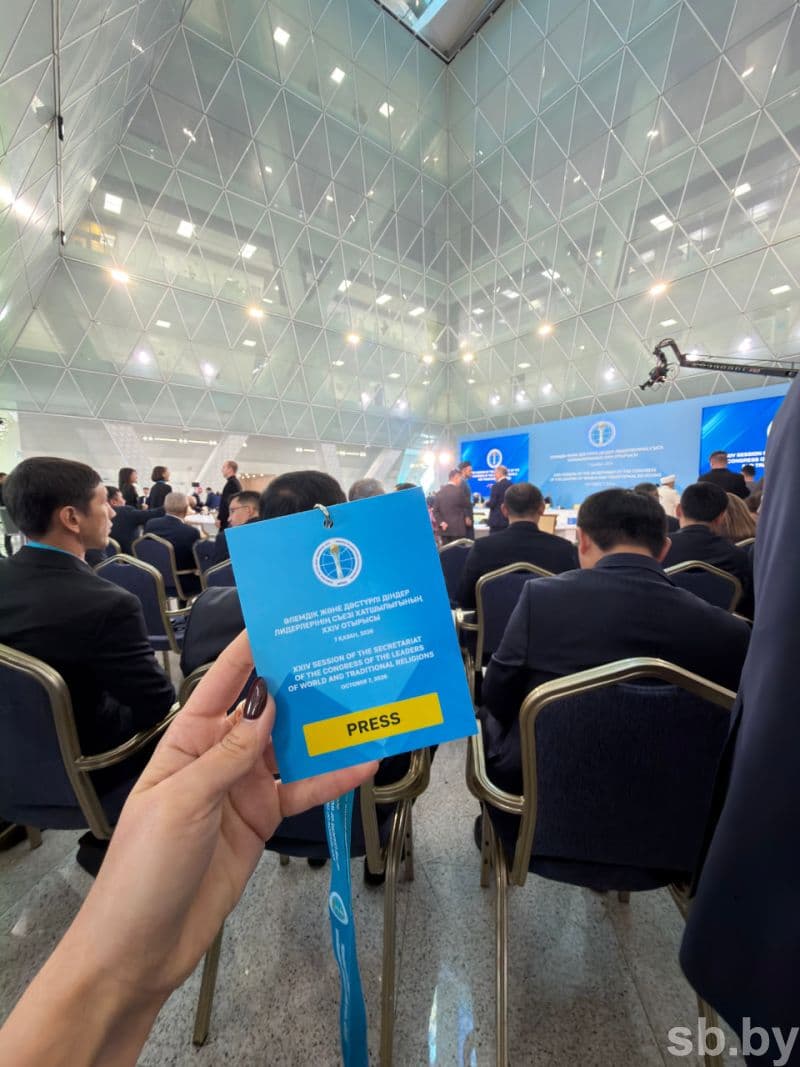
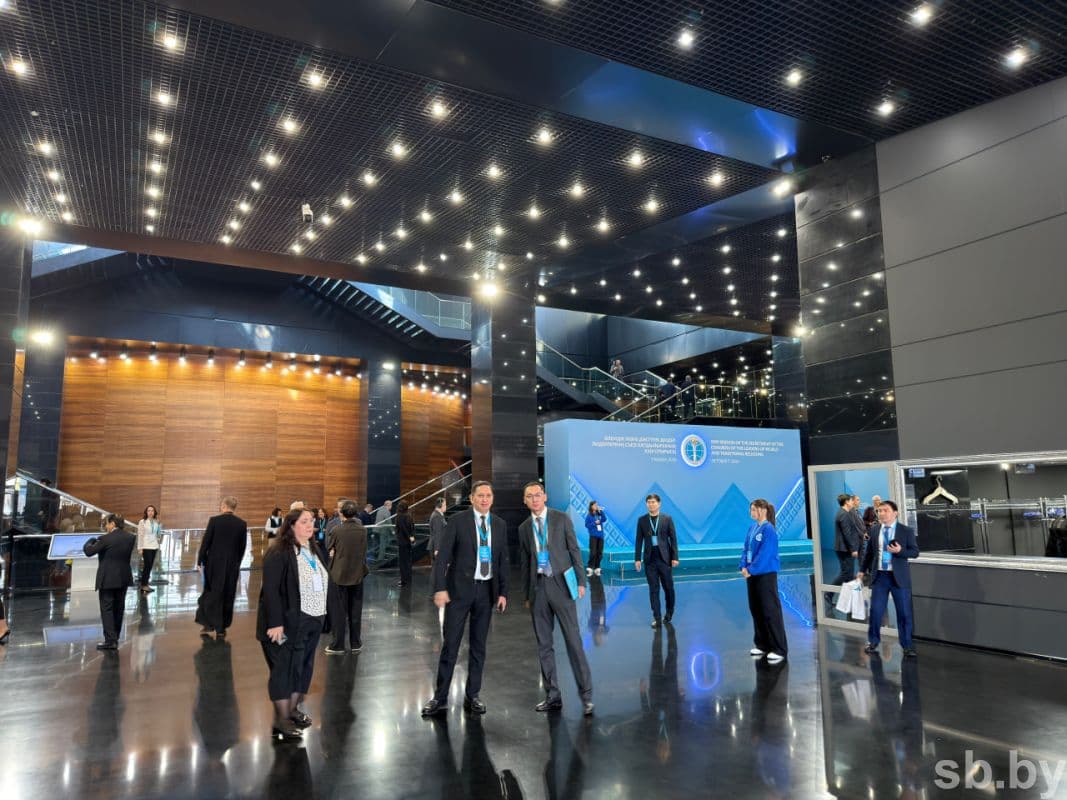
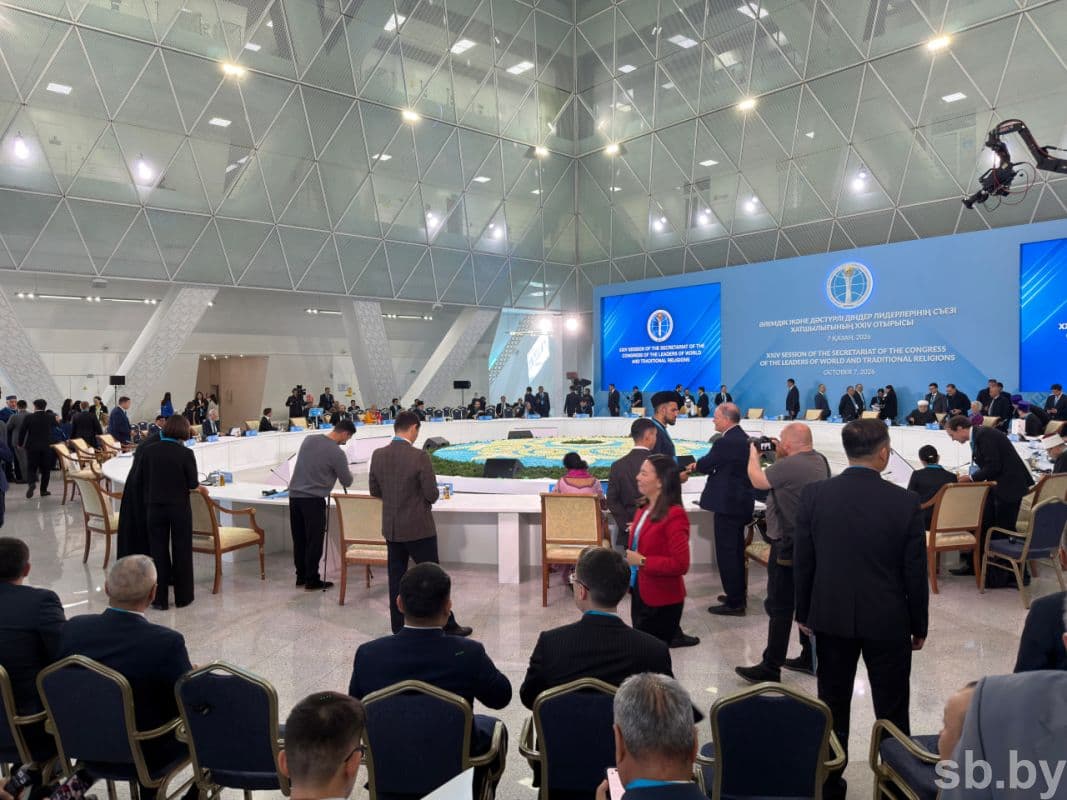
The XXIV meeting of the Secretariat of the Congress of Leaders of World and Traditional Religions is being held in the Palace of Peace and Accord in Astana. The dialogue platform brought together...
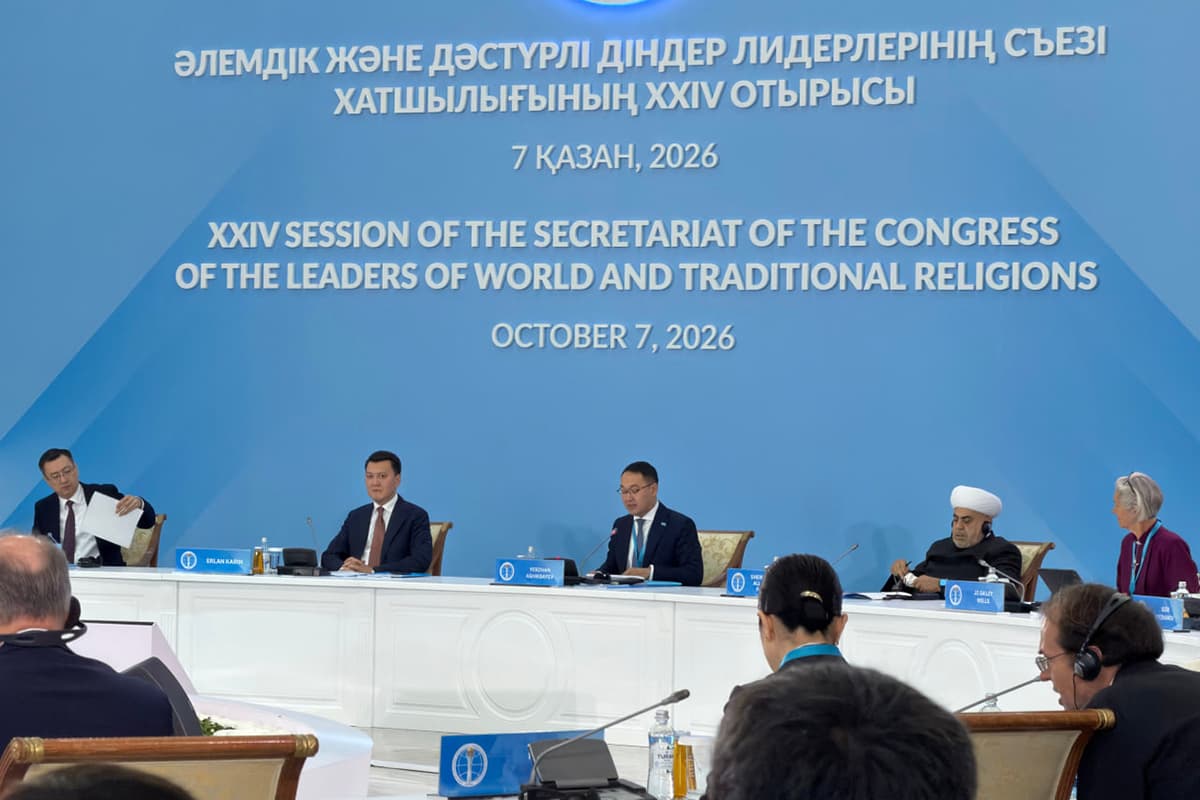
The XXIV meeting of the Secretariat of the Congress of Leaders of World and Traditional Religions is being held in the Palace of Peace and Accord in Astana. The dialogue platform brought together representatives from 20 countries. The key issues on the agenda are the consideration and adoption of two international documents “Ethical Code for the Use of Artificial Intelligence in the Religious Sphere” and “The Role of Religions in the Fight against Climate Change”.
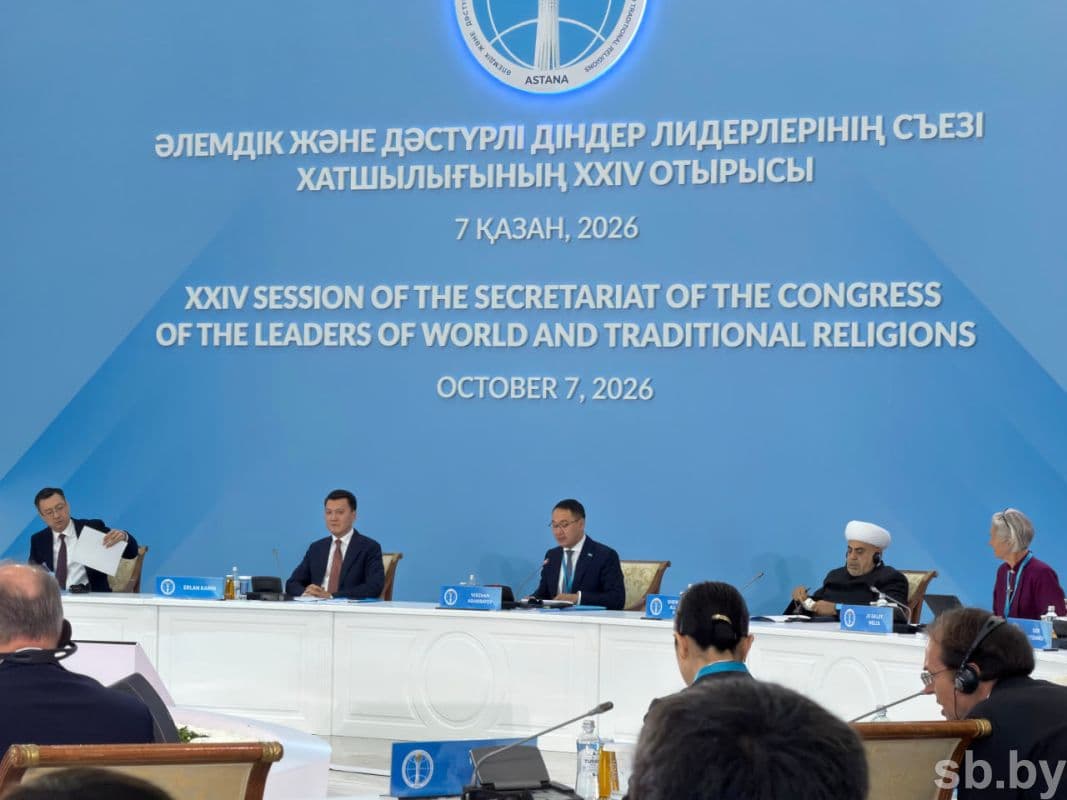
- Spiritual diplomacy is not a substitute for political negotiations, but it continues to leave channels of communication open when diplomatic dialogue becomes difficult. It is important to combine the potential of religions to build peace.
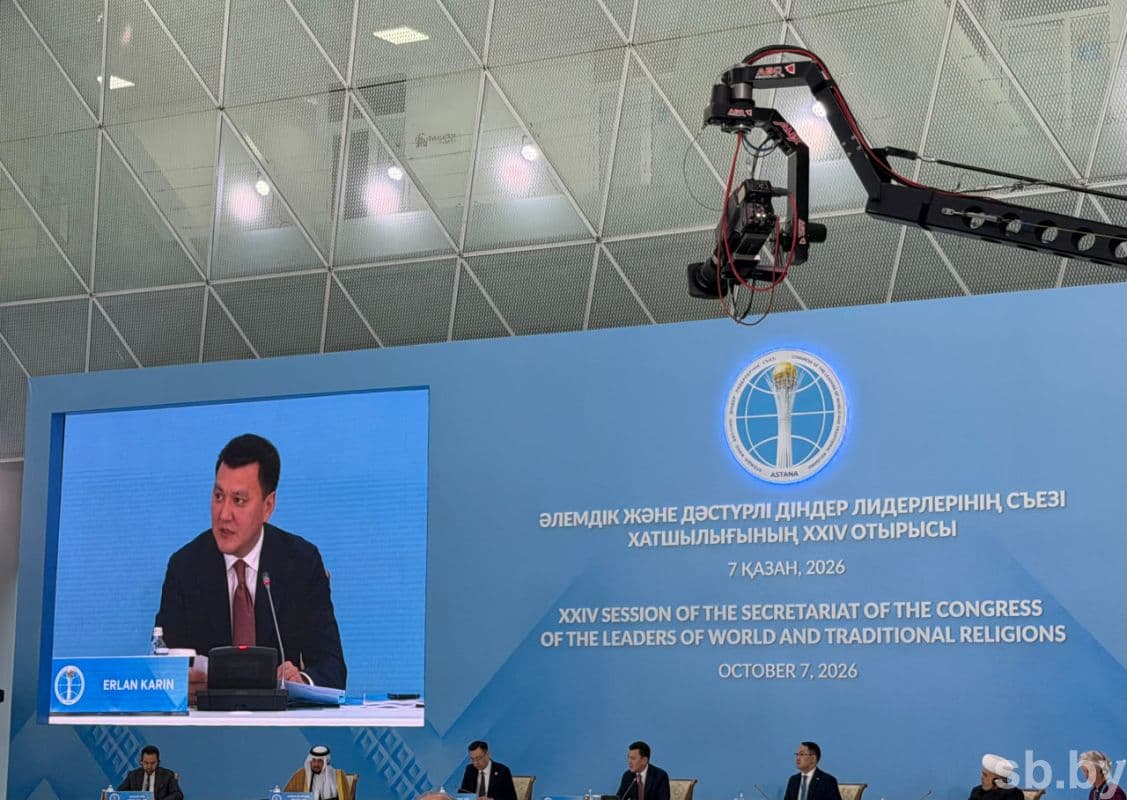
- The document enshrines the general principles of environmental responsibility and calls on religious communities to educate, solidarity and support the most vulnerable groups and regions. Man and nature form a single whole, so the initiative is designed to form an ecological culture, change everyday habits and assert personal responsibility for the preservation of nature.
The second important document is the Code of Ethics for the Use of Artificial Intelligence in the Religious Sphere. Many countries see neural networks as a powerful tool for progress, but technological development cannot outpace moral responsibility.
- The wider the possibilities of algorithms, the higher the responsibility of a person in the religious sphere, says Yerlan Karin. Artificial intelligence can help preserve spiritual heritage, translate related texts and expand access to knowledge. At the same time, it is necessary to counteract the distortion of religious texts, the creation of digital fakes on behalf of spiritual leaders. The Code of Ethics is intended to provide a meaningful framework for work between religious leaders, scientists, engineers and technology companies.
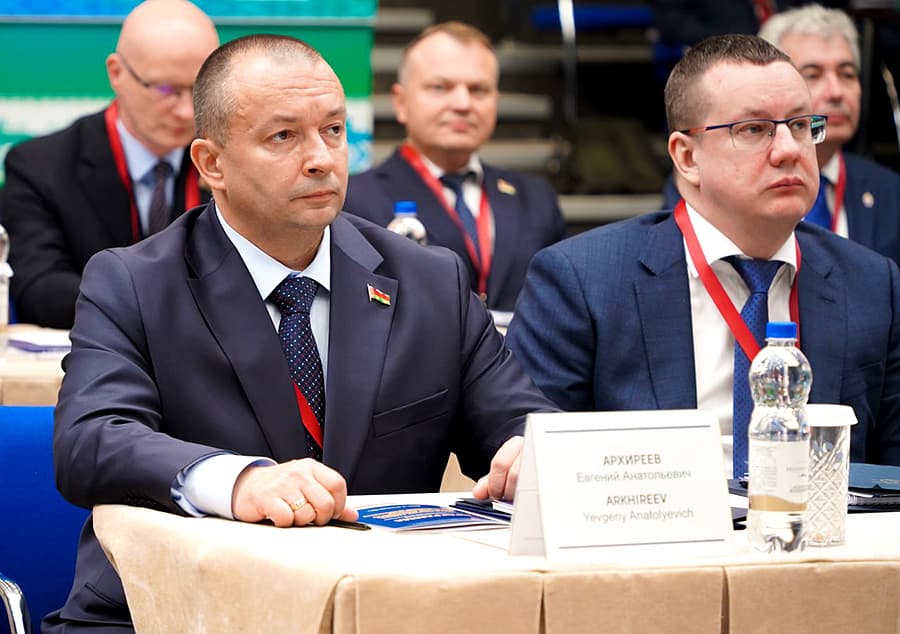
In September last year, the VIII Congress of Leaders of World and Traditional Religions was held in Astana. Belarus at the forum was represented by Metropolitan Benjamin of Minsk and Zaslavl, Patriarchal Exarch of All Belarus, as well as the first Vice-Rector of the Institute of Theology of BSU, Archpriest Sergiy Movsesyan. The development of international documents was initiated by the President of Kazakhstan Kassym-Jomart Tokayev and supported by the participants of the Congress, including the delegation from Belarus.