
Return of assets and the fight against terrorism: what else was discussed at the meeting of the CSGP in Kazan
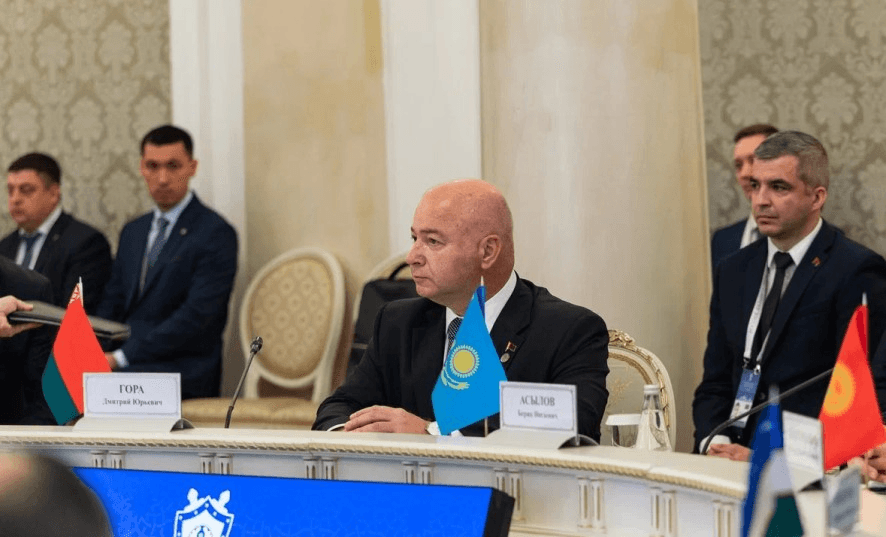
The delegation of the Prosecutor General’s Office under the leadership of the Prosecutor General of Belarus Dmitry Gora took part in the 36th meeting.
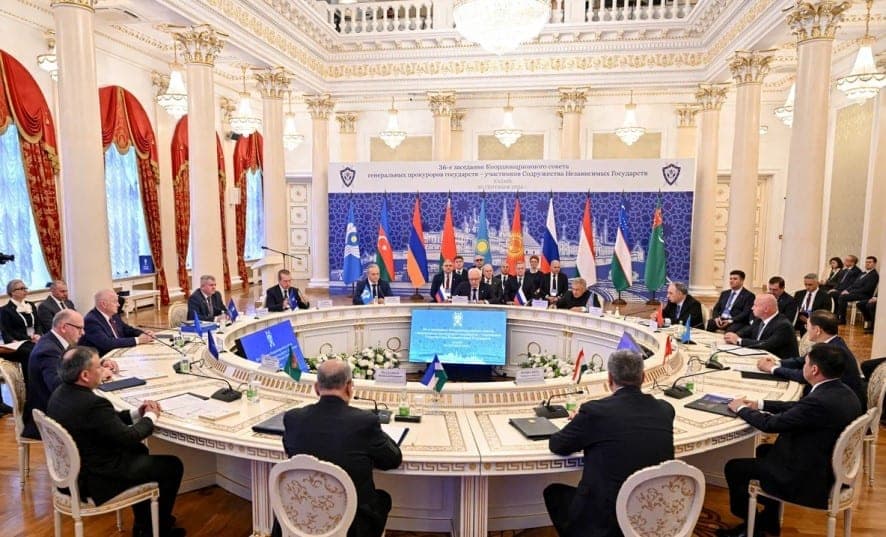
The delegation of the Prosecutor General’s Office led by the Prosecutor General of Belarus Dmitry Gora took part in the 36th meeting of the Coordination Council of Prosecutors General of the Commonwealth of Independent States (hereinafter referred to as the CIS State Prosecutor General’s Office), which took place in Kazan, the correspondent of the Minsk-Novosti agency reports with reference to the Prosecutor General’s Office.
The forum was also attended by the Prosecutor Generals of the Republic of Azerbaijan, the Republic of Armenia (via videoconference), the Republic of Kazakhstan, the Kyrgyz Republic, the Russian Federation, the Republic of Tajikistan and the Republic of Uzbekistan.
In his report, D. Gora drew attention to the problems of returning criminally obtained assets from abroad in the context of modern challenges and the current geopolitical situation.
- Due to the degradation of the international legal order, the so-called West is exerting unprecedented pressure on Belarus and Russia, including through the introduction of illegal economic sanctions. For several years, attempts to withdraw capital from our country to unfriendly jurisdictions have continued. Under these conditions, asset recovery is almost impossible. That is why the main efforts are now aimed at preventing such a development of events, the Prosecutor General of Belarus emphasized.
As the head of the supervisory authority noted, the country, with the participation of the Prosecutor General’s Office, developed a set of counter-sanctions measures, including the restriction of financial transactions, including the payment of profits and dividends to persons from unfriendly countries, as well as the sale of real estate.
- At the same time, in order to avoid unjustified termination of the activities of organizations with foreign capital and damage to their labor collectives, it is possible to introduce temporary external management. It is also possible to apply penalties for early termination of loan agreements and loan agreements concluded with Belarusian organizations. The measures taken made it possible to reduce the size of assets withdrawn from the country by 15 times, Gora said.
The meeting also discussed the cross-border nature of crime and the active use of the digital space by cybercriminals, including the transfer of illegal assets into cryptocurrency.
Belarusian legislation prohibits the purchase and sale of cryptocurrency outside crypto exchanges and exchanges. We have normatively defined legal mechanisms for the confiscation of such virtual assets, the Prosecutor General of Belarus said.
During the report, he noted that prosecutors ensured proper prosecution of offenders, including those who fled outside Belarus, organized the search for criminal capital and the exchange of significant information with partners.
- The practice of creating joint investigative and operational teams gives a positive result for the disclosure and investigation of interrelated crimes in criminal cases, the head of the supervisory authority emphasized.
It is important to note that the Prosecutor General’s Office has concluded more than 20 bilateral agreements with the competent authorities of foreign countries, including on combating illicit enrichment and asset withdrawal. This made it possible to establish a rapid exchange of important information at the international level and to turn illegally acquired property into state revenue.
Mechanisms to combat criminal acts, measures to protect the state and citizens, as well as the return of assets from abroad must reach a new level. The association of supreme supervisory authorities can and should play a leading role in this process. I am confident that the joint discussion will contribute to the consolidation of our efforts and the development of new, effective approaches, Gora said.
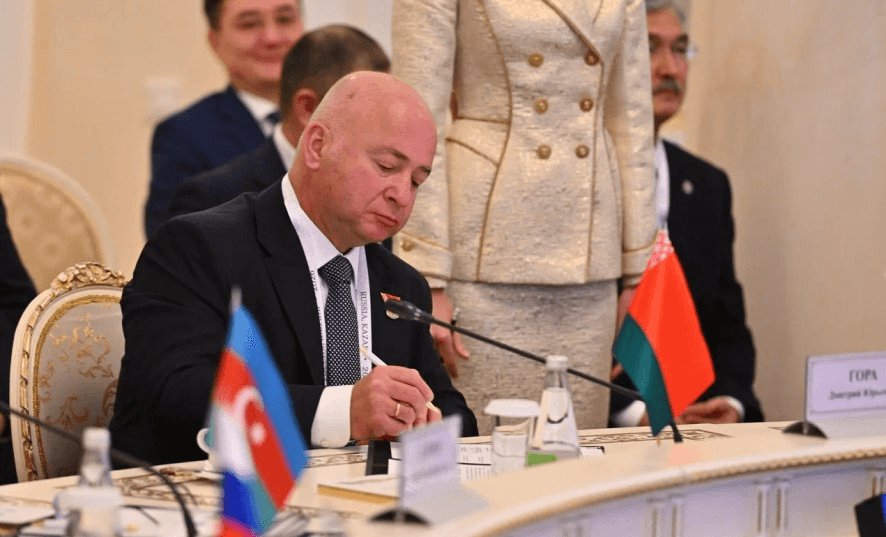
One of the main outcomes of the meeting was the coordination of the concept of the agreement on cooperation of the CIS member states in the field of return of assets from abroad, which should become the basis for further joint development of the draft of the relevant international document.
The heads of supervisory agencies also established an interdepartmental expert network on asset recovery in the Commonwealth of Independent States.
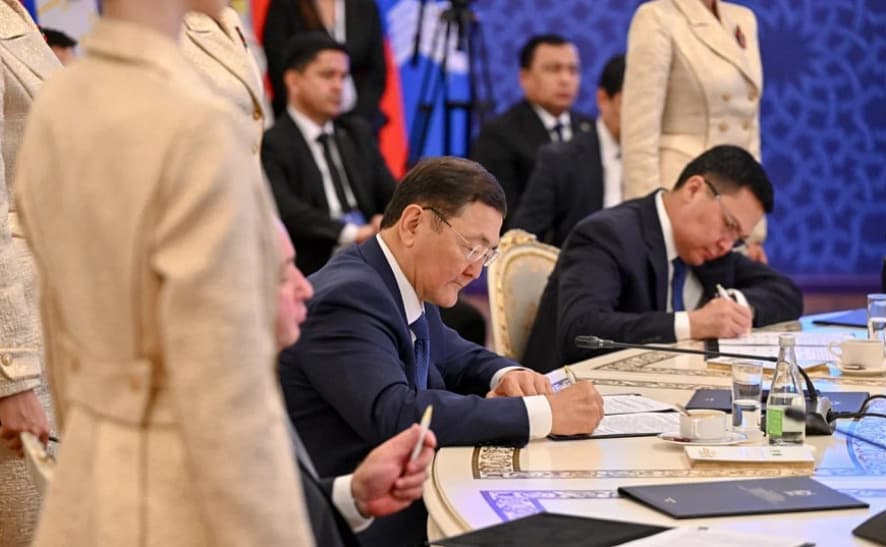
In addition, an agreement on cooperation between the Prosecutor General’s Offices of the CIS member states in the field of countering terrorism and extremism was signed at the event. The parties identified clear mechanisms of interaction and agreed on specific measures to combat the identified challenges.
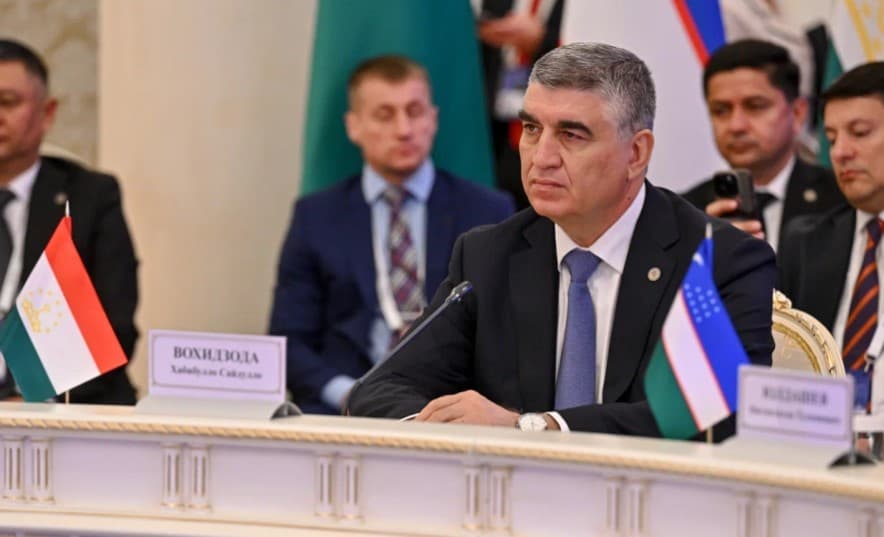
D. Gora also held bilateral meetings with the Prosecutor Generals of the Republic of Tajikistan, the Republic of Kazakhstan and the Republic of Uzbekistan.
They agreed on the prospects for strengthening bilateral cooperation between the agencies, signed cooperation programs of the Prosecutor General’s Office of Belarus with the Prosecutor General’s Offices of Kazakhstan and Uzbekistan, which will lay the foundation for joint activities for 2027-2028.
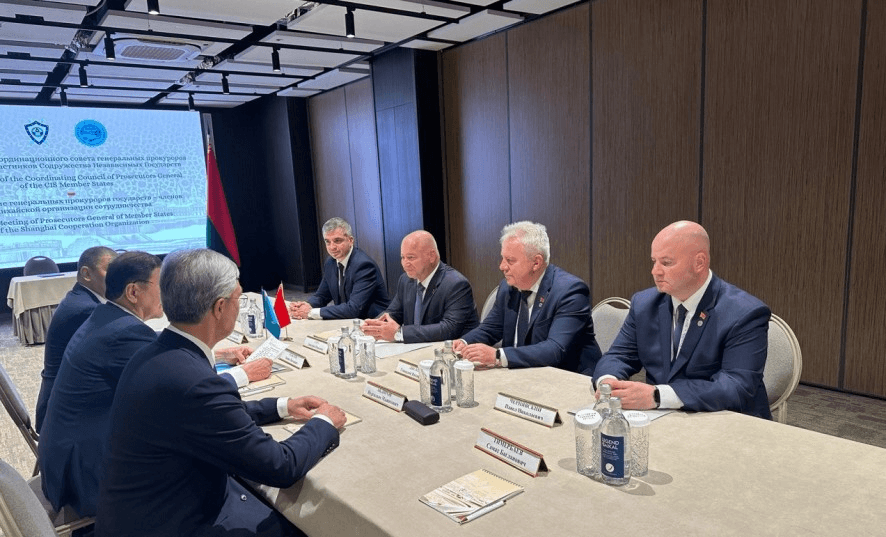
In addition, Deputy Prosecutor General of Belarus Gennady Dysko took part in the round table of the chief military prosecutors. The parties discussed the development of cooperation between military-legal and other authorized bodies, as well as the provision of prosecutorial supervision of border security. As a result of the round table, agreements were reached, the implementation of which will contribute to building capacity in the fight against transnational crime and strengthening the rule of law.
The next meeting of the CSGP will be held in 2027 in the Republic of Uzbekistan.
For reference
The Coordination Council of Prosecutors General of the CIS member states as a body of sectoral cooperation was established by a joint decision of the heads of the relevant supervisory authorities on December 7, 1995. In 2000, it was given the status of an interstate body of the CIS.
Photo by the Prosecutor General's Office


