Meeting of the Secretariat of the Congress of Leaders of World and Traditional Religions: what the participants talked about
The XXIV meeting of the Secretariat of the Congress of Leaders of World and Traditional Religions was held in the Palace of Peace and Accord in Astana (Kazakhstan). Representatives of 20 countries ...
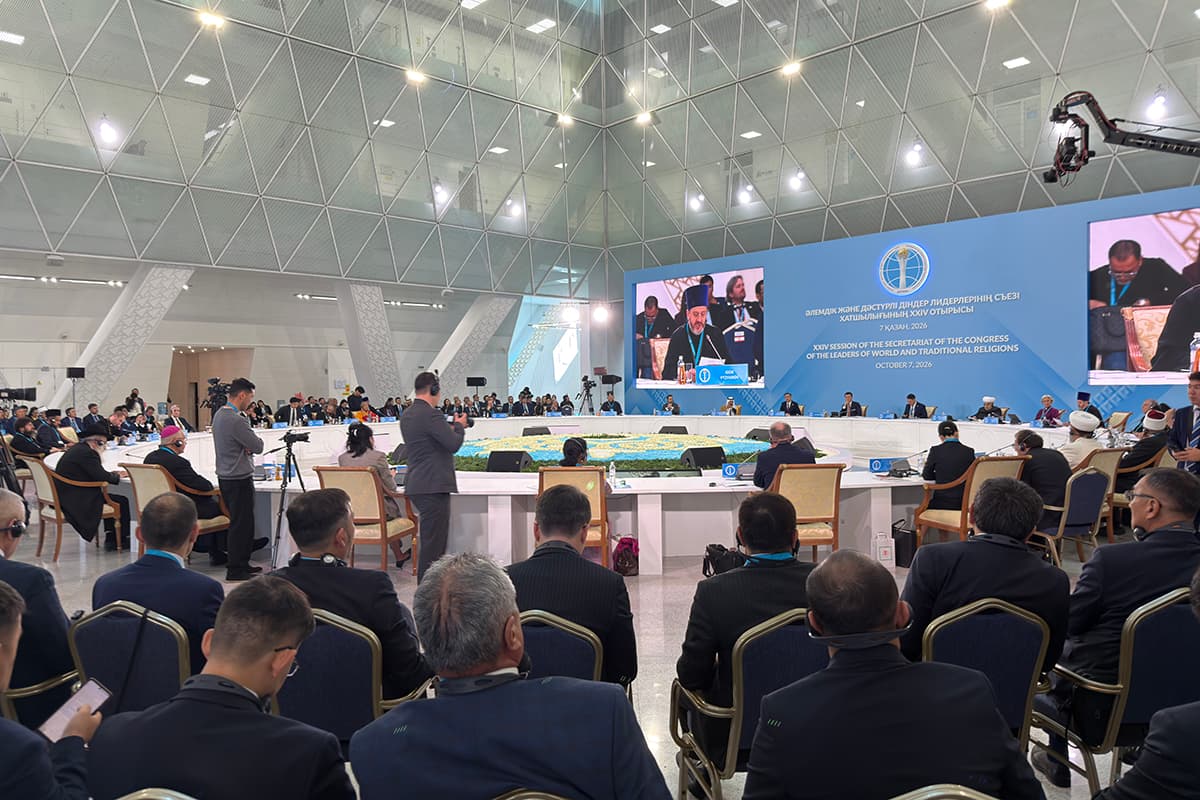
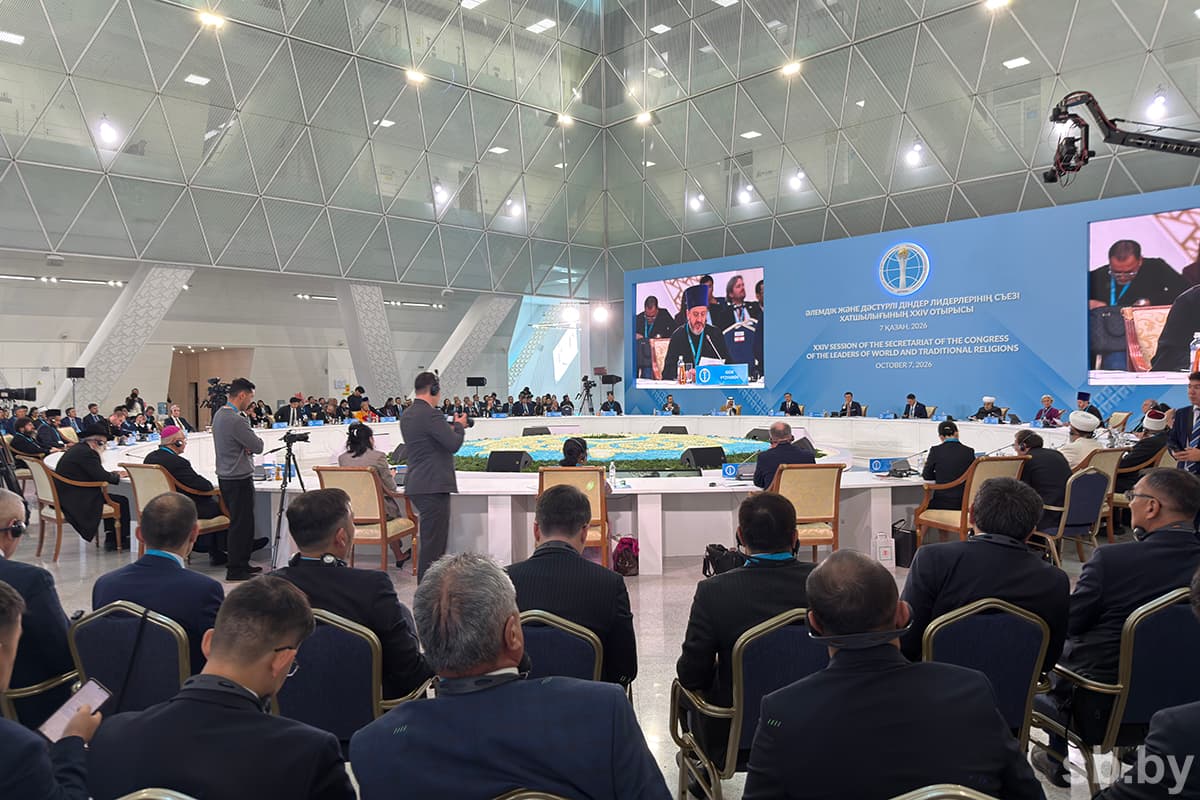
The XXIV meeting of the Secretariat of the Congress of Leaders of World and Traditional Religions was held in the Palace of Peace and Accord in Astana (Kazakhstan). Representatives of 20 countries discussed two major issues: the ethical aspect of using AI in the religious sphere and the role of religions in the fight against climate change. The sb.by correspondent gathered the participants’ opinions.
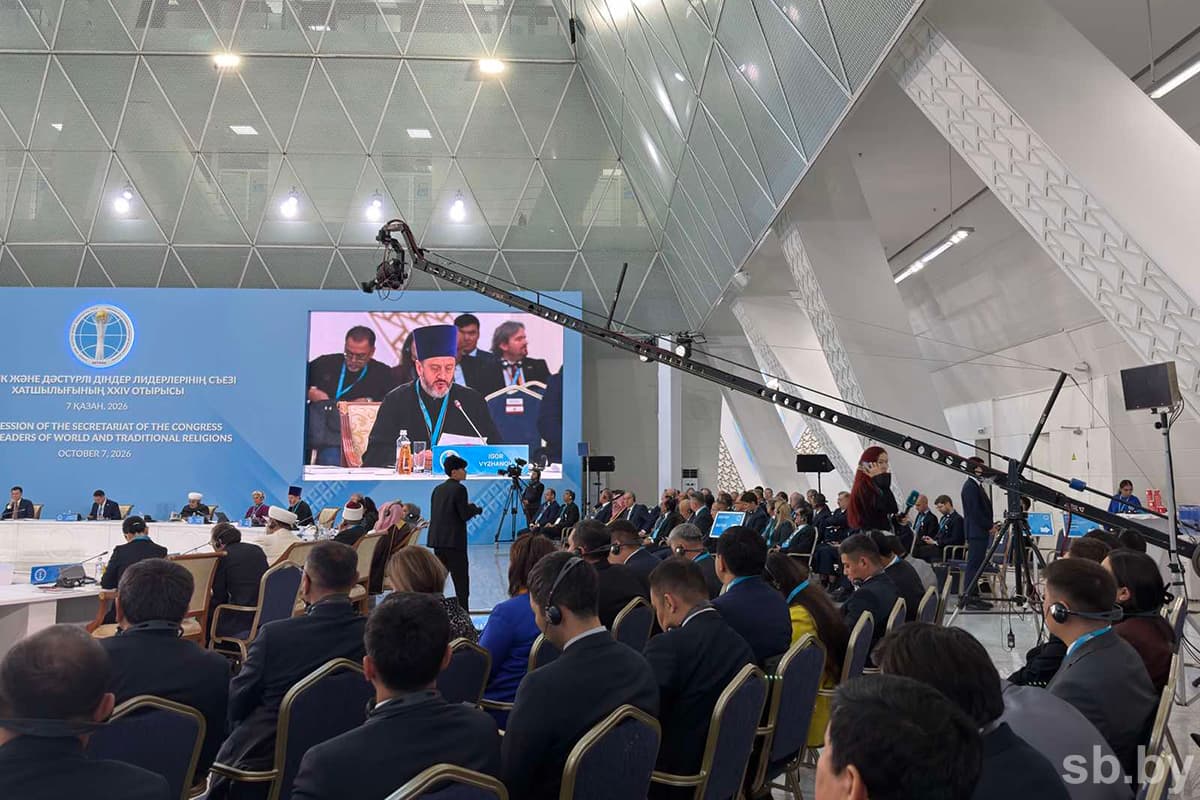
- The platform for meetings of religious leaders was protected from all sorts of unconventional and destructive currents and ideas. The clergy and believers of the Russian Orthodox Church especially appreciate this. The issues of artificial intelligence regulation are something that is talked about a lot in the modern world. Our task as believers is to comprehend these processes, to understand where reality is and where fantasies are. I believe that we believers are realists. We recognize the existence of the earthly, material world and the existence of the spiritual world. We also recognize that our life is not limited to earthly existence. In the case of artificial intelligence issues, we must determine what is real and what is the next fantasy of humanity.
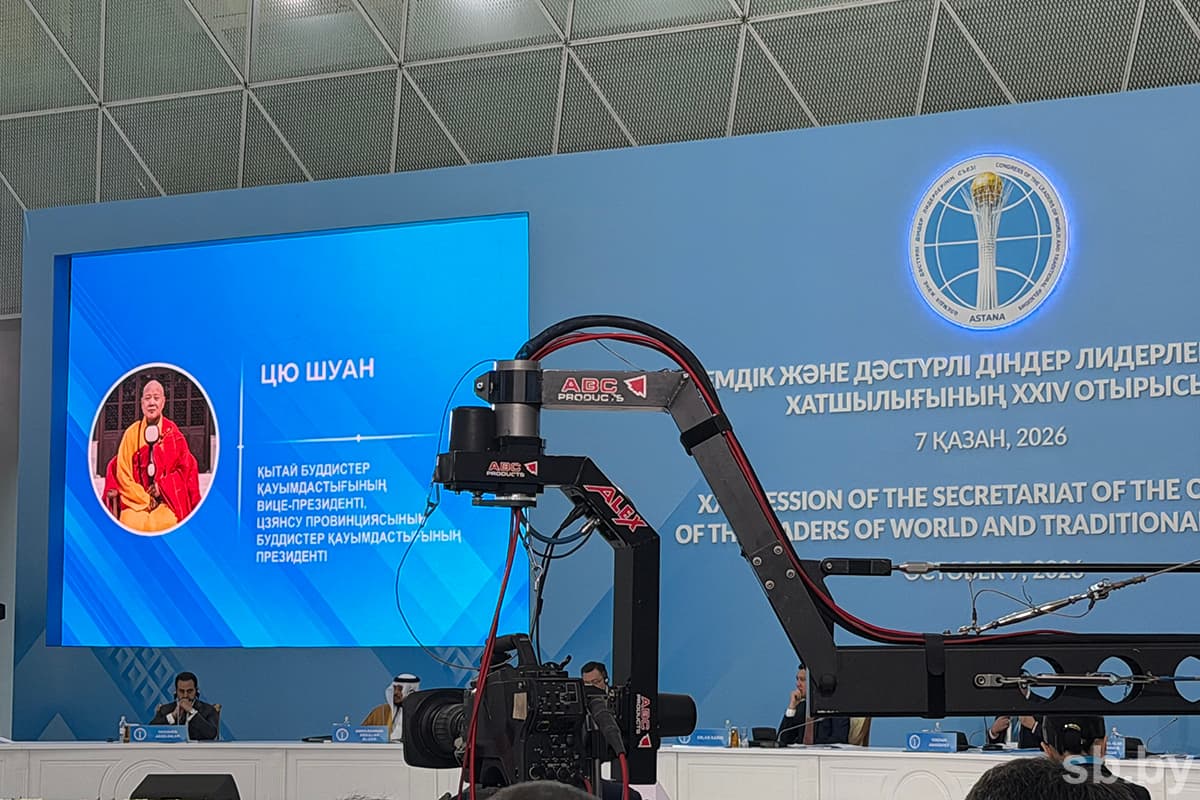
- The topics raised at the meeting meet the global challenges of the time. Buddhism believes that human destiny and nature are connected. We need to curb greed, respect nature, to make a difference in climate change. And the development of AI should come from respect for life and people.
Conflicts in many regions and wars place great responsibility on religious leaders. We must promote peace and friendship among representatives of different religions and countries. It is also necessary to prevent all forms of discrimination through the use of international law.
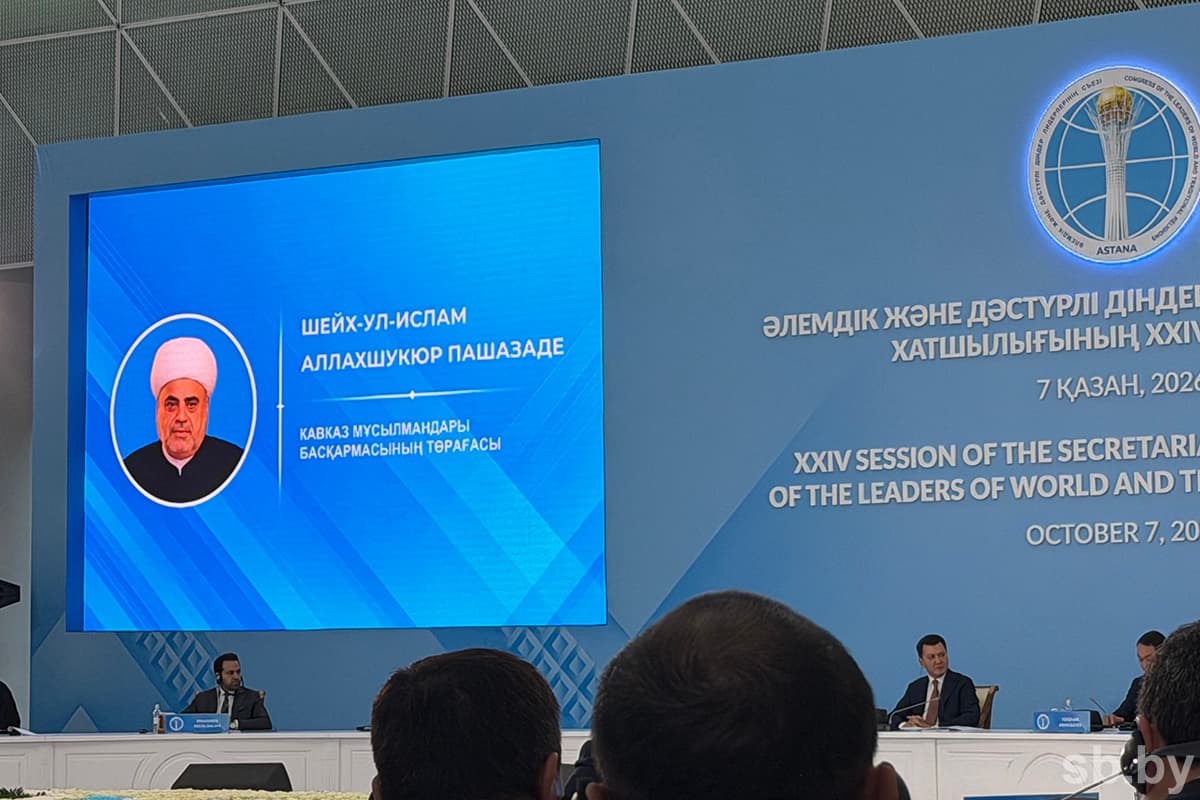
- Climate change is a matter of justice. The most vulnerable communities often pay the highest price. Rising temperatures, drought, flooding, wildfires and declining biodiversity are already having a serious impact on people's lives. Combating climate change requires not only technological solutions, but also a change in the human relationship to nature. Man is not the absolute owner of the world. Rather, he is the guardian of his trust and is responsible for the blessings bestowed upon him. Religious teachings can foster a culture of moderation and responsible consumption, which is necessary to protect the environment and future generations.
Two international documents were adopted at the meeting – the Code of Ethics for the Use of Artificial Intelligence in the Religious Sphere and the Role of Religions in the Fight against Climate Change, as well as the Charter of the Rights of a terminally ill child. UN representative: ethical issues should be at the heart of AI design