
The Iron Gate of the Caucasus
Mineralnye Vody is not just a geographical point on the map of Stavropol, but a strategic transport hub connecting the industrial centers of the country with the main health resorts of the South of Russia.
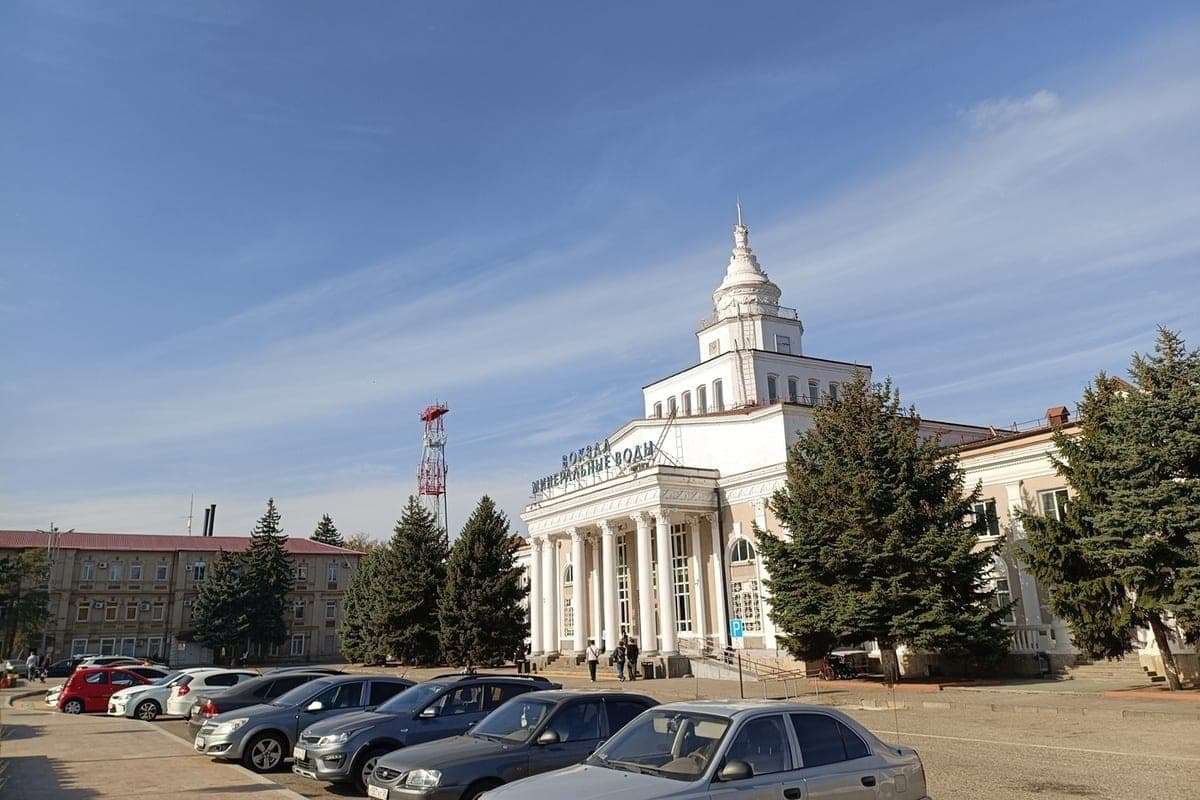
Mineralnye Vody is not just a geographical point on the map of Stavropol, but a strategic transport hub connecting the industrial centers of the country with the main health resorts of the South of Russia. The railway station of the city, rightfully considered one of the most beautiful in the region, is not only a functional object of Russian Railways, but also a powerful image asset of the region. Its monumental columns and skyward tower are the first sight of thousands of visitors arriving in the Caucasian Mineral Waters.
From Sultanovskaya to the transport hub
The history of the station is inextricably linked with the economic development of the southern outskirts of the Russian Empire. The first station, called Sultanovskaya, opened in 1875 during the construction of the Vladikavkaz railway. This moment became the starting point for the emergence and development of the future city. At the end of the XIX century, the railway provided capital inflows and trade development, turning the modest station into a key logistics hub.
However, the modern appearance of the station acquired in the middle of the XX century. The project of the new building was designed by architect Leonid Chuprin. Construction, begun in 1955, ended with a grand opening in 1957. The building, built in the style of Stalin’s Empire (Soviet monumental classicism), became the embodiment of triumph and hospitality.
Architectural ensemble as a business card
For the business infrastructure of the region, the Mineralnye Vody station is a reference example of a “meeting ensemble”. The architecture of the building is designed to emphasize the status and grandeur of the resort region. The central part is crowned by an openwork clock tower, which acts as the main landmark of the station space. From the side of the paths, the building is surrounded by a majestic semicircular colonnade. It not only supports the roof, but also forms an airy, solemn space for passengers. Inside the colonnade is a fountain with the famous sculpture of an eagle tearing at a snake. This symbol of healing and strength is the official brand of Kavminvod, recognizable far beyond the district. The interior of the waiting rooms is striking in scale: high domes, massive columns, rich stucco and coffered ceilings. Picturesque paintings with Caucasian landscapes and crystal chandeliers create an atmosphere of reliability and prestige.
Functionality and coverage
At the time of opening, the station was designed for a one-time stay of 1,750 people, which by the standards of the 1950s was an outstanding indicator of throughput. L. Chuprin’s engineering solutions allowed the facility to cope with the growing passenger traffic for decades, while preserving the appearance of the architectural monument. Today, the station in Mineralnye Vody continues to play a key role in the chain of passenger and business transportation in the North Caucasus. The preservation of its historical appearance in combination with modern requirements of safety and comfort makes the station an important element of the tourist and transport attractiveness of Stavropol. This architectural “palace” remains a living testament to the fact that the transport infrastructure can and should be aesthetically impeccable and form a positive business climate of the region from the first minutes of stay on its land.
Earlier it was reported that from 17 to 19 November part of the trains to Sochi and Sukhum temporarily sent to Kislovodsk.


