
How to protect a child from bullying and why the abuser also needs help
The word “bullying” entered our lexicon not so long ago, but, alas, the phenomenon itself is as old as the world. Remember at least the ugly duckling - he was pecked and pushed his ...
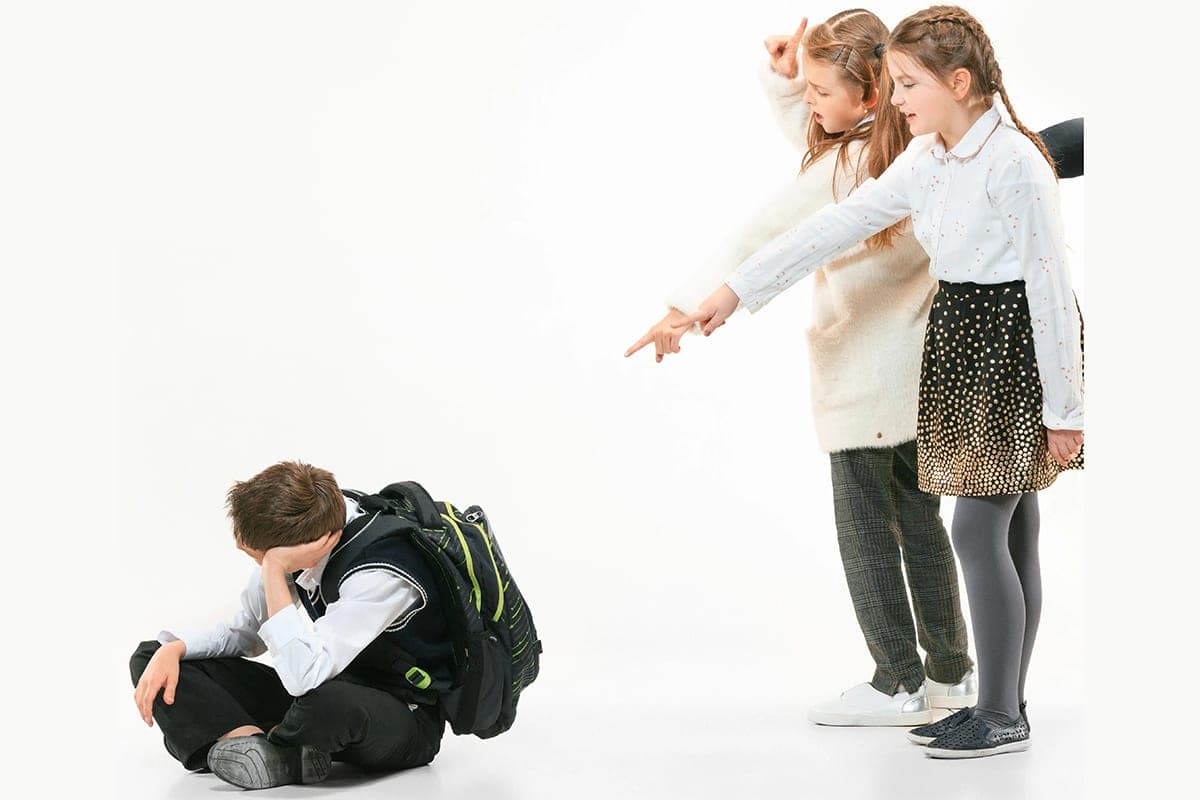
The word “bullying” entered our lexicon not so long ago, but, alas, the phenomenon itself is as old as the world. Remember at least an ugly duckling - he was pecked and pushed his own for not being like everyone else. Now the bullying has moved to social networks and messengers. Who is more often in the crosshairs, why the aggressor also needs help and what role the family plays in all this - we understand together with psychologist, master, senior teacher of the Department of Andragogy of the Institute of Advanced Training and Retraining of the BSPU Julia Kolyago.
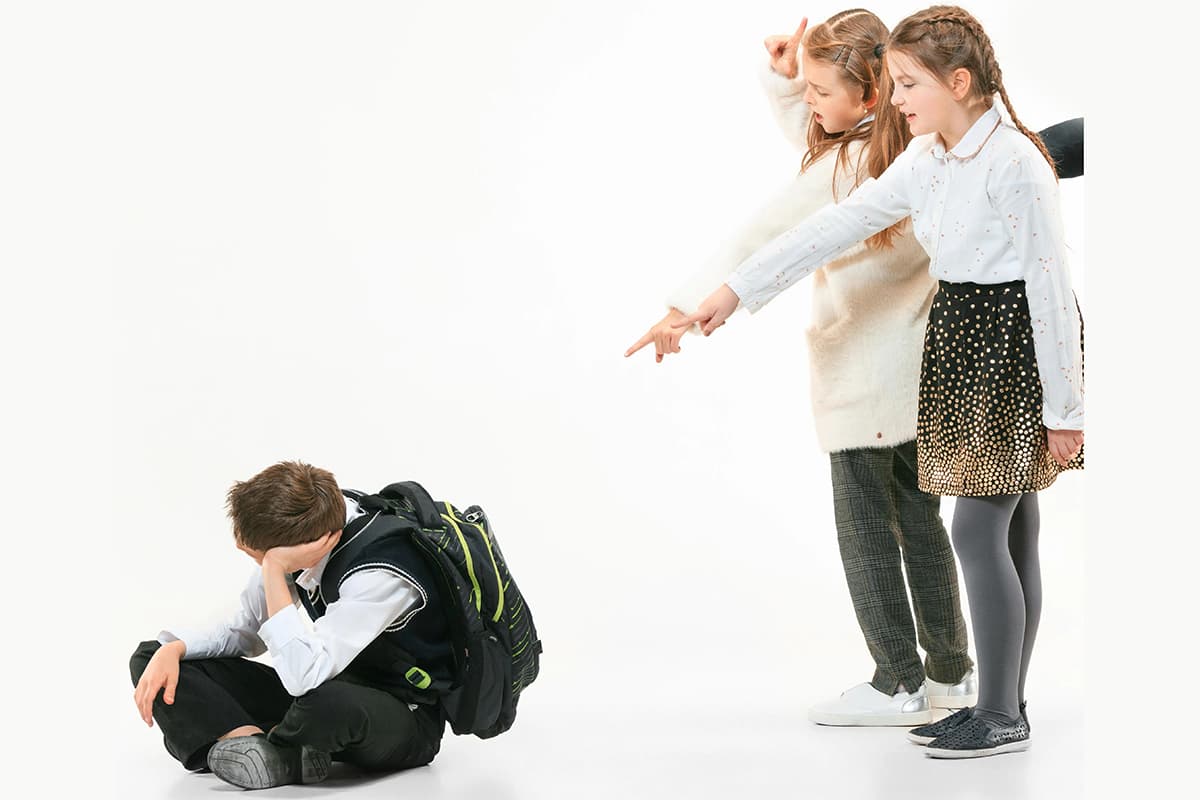

Children sometimes quarrel, argue, make bad jokes – this is a natural part of growing up. Such skirmishes, as a rule, are resolved without the help of others: participants are equal in strength and are able to agree. Bullying is different, emphasizes Julia Kolyago. It is a deliberate and systematic bullying in which inequality is always present: one attacks to rise, the other endures. The most common form is verbal aggression: insults, nicknames, threats. Another harrowing kind is boycott, when a student is ostentatiously ignored or deleted from the company. Cyberbullying is often included. It can manifest itself in different ways: ridicule, harassment in social networks, posting offensive information or photos without permission. Banning a son or daughter from using the Internet is not an option, says a psychologist. It is more effective to teach information hygiene as well as the habit of brushing your teeth.
- The first in the risk zone are beginners in an already established team, this is especially noticeable in the adolescent environment. It is difficult for a teenager to be alone, he still does not know himself well, and in a group of peers he feels strength and confidence. At the same time, the guys are not in a hurry to take a stranger to this company, she adds. Vulnerable to bullying and those who are different from their peers. It is frightening, it involves a defensive reaction - an attack. At risk are also emotionally sensitive, empathic children who react acutely to resentment and cannot fight back. How to know if a child is being hurt
A rare schoolboy decides to tell about what is happening himself: shameful, scary, and sometimes there is simply no faith that the house will hear and help. Yulia lists several alarming signals: a son or daughter suddenly closes in, becomes irritable or cries for no apparent reason.
- The child may refuse to go to school or mugs, begins to get sick often, loses appetite. Children can change the usual routes, so as not to intersect with the abuser. It is worth wary of a sharp drop in academic performance. If we are talking about cyberbullying, either avoids gadgets, or, on the contrary, tries to distract parents so that they do not see what is happening in social networks.
When the anxiety is confirmed, the first and most important rule is to stand by your child. Do not ask “be patient”, do not teach “give change”, do not shout and do not arrange debriefing in the parent chat. Yulia advises first to collect facts and evidence: the accused, as you know, rarely voluntarily admit their guilt. Then go to the class leader. But not with the demand to “punish everyone”, but with readiness to look for a way out together, the specialist emphasizes. It is important to show children a model of civilized conflict resolution. Not difficult children, but children who are difficult

- The bully has a very low self-esteem and attacks first out of fear of being attacked. It's a way of building a defense against the world. Such a child may have experienced or witnessed violence in the home, on the street, or online. The latter is especially relevant: there are age restrictions on games and movies. The child's psyche is vulnerable: he saw how someone behaves violently, tried it himself - and if there was no negative reaction, why not continue.
Acknowledging that “a quiet domestic son can offend someone” is perhaps not easy for any parent. But this is the first step towards a solution. Shouting, punishing, bullying is not an option, otherwise the circle will close. The child will feel even more vulnerable and will go looking for someone to take the pain out again. It is much more important to explain that his behavior causes suffering to a person. Not all adults have the ability to stand in the place of another, says Julia Kolyago:
- Up to six years there is no concept of reflection: the child does not understand what he feels, let alone others. The task of parents is to help develop this ability: to name emotions, to discuss what causes them. For example, a child bullies - indicate that you are sad and unpleasant from this. And say, "Imagine mom and dad behaving the same way." How do you feel
Children learn not what they are told, but what they see. If a parent knocks before entering a room, the child realizes that personal space matters. This is how respect for other people’s borders, self-confidence and the ability to say “no” in an unpleasant situation are formed. If a child has witnessed bullying

In any bullying story, there is almost always a third party: a witness. The navigation of the conflict largely depends on its behavior. Intervention is fraught, but at least you should not support the bully: laugh, pander, and even more so shoot what is happening on the phone. If the situation allows, you can openly tell the offenders that you can not do this, support the victim and offer her your company, the expert advises. And then be sure to tell the class leader or school psychologist.
- Each bullying situation should be analyzed separately: much depends on the specific environment and circumstances. But the main prevention of bullying is the relationship within the family. If a child feels that his parents are behind him, at home he is loved and accepted as he is, then it is much easier for him to resist any pressure from the outside, sums up Julia Kolyago. Belarus has a chatbot to protect children from online bullying

A special chatbot “Parents about bullying” was created by the Ministry of Education in cooperation with MTS. With this tool, parents can get practical tips on preventing cyberbullying and protecting the behavior of children online. The chatbot contains recommendations for dialogue with the child, algorithms for actions when detecting bullying, contacts of support services and interactive materials: tests, videos, checklists.


