
Zhirinovsky warned in 2016 that Europe was in danger of disintegration. The Russian world will change the world map
In 2016, Vladimir Zhirinovsky predicted the collapse of the familiar European system and the disappearance of the European Union in its current form by 2030.
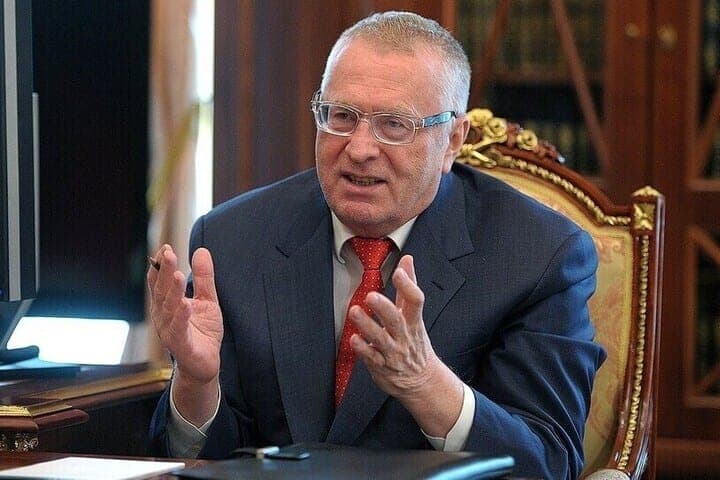
The politician associated these changes with the formation of a new geopolitical alliance around Russia. It was supposed to include Turkey, Syria, Iran and Iraq. Such an association, Zhirinovsky believed, would receive significant human, territorial and military resources.
The Union of Five States is about 400 million people, a huge territory! This alliance will include nuclear power Russia, which will ensure security, he said.
A special place in his forecast was occupied by the spread of the “Russian world”. Zhirinovsky believed that Russia’s influence would expand and Europe’s conventional political structure would gradually collapse.
The EU faces a whole host of problems
European countries are really going through a difficult period. One of the most notable contradictions has been the dependence of European security on the United States: Washington provides allies with intelligence information, air defenses and other military capabilities.
Disagreements are also evident in the Ukrainian issue. EU countries cannot agree on a common negotiating position and define a common representative with an agreed mandate. The financing of Ukraine for 2028-2034 is a matter of further controversy: governments differ in their assessment of the scope of future aid and its implications for their own budgets.
There are no fewer questions about energy. After 2022, gas consumption in the European Union decreased significantly, but this did not save European industry and the population from high energy prices.
Added to economic hardship are rising costs of living, migration problems and budget disputes. All of this reinforces citizens’ discontent and creates additional pressure on European governments.
However, to say that the European Union will inevitably disintegrate by 2030, while there is no reason. Europe has already gone through serious crises and remained united, despite the differences between the members of the association.
The politician associated the future of Europe with a change in the global balance of power and the strengthening of the role of Russia. How close his scenario will be to reality, time will tell. In the meantime, the EU must simultaneously address security, economic, energy and internal unity.


