
The zoologist explained why the bear, who tried a man, will not stop
The attack of a bear on a person is not a natural model of behavior for the beast, but after the first successful experience, this behavior can take root and repeat itself
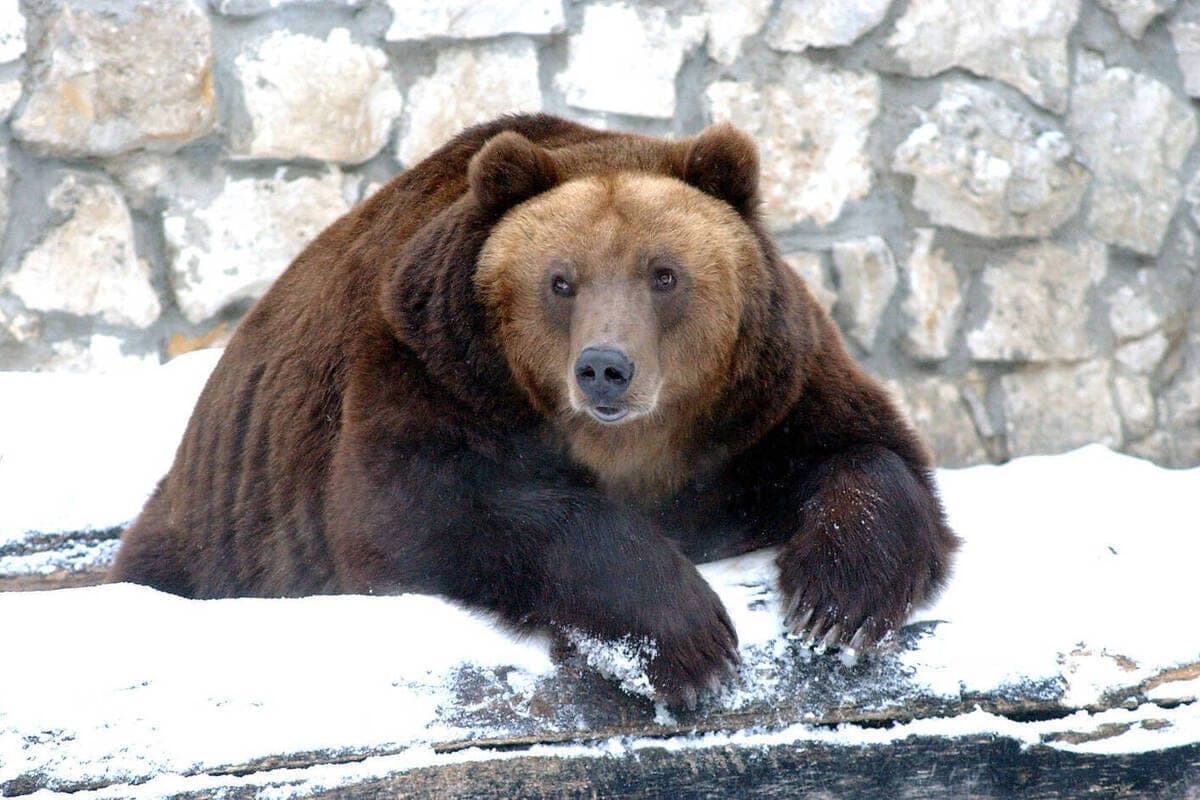
A bear attack on a person is not a natural model of behavior for the beast, but after the first successful experience, this behavior can take root and repeat itself. This was told by URA.RU Associate Professor of the Department of Zoology and Physiology of the Institute of Biology and Biotechnology of ASU, Candidate of Biological Sciences Elena Shapetko.
According to the expert, a person is not part of the usual circle of bear victims: the animal can live all his life in the forest and almost do not encounter people, and bears teach cubs to avoid humans.
“Attacking a person is a matter of behaviour rather than physiology. We are not part of the circle of ordinary bear victims, the zoologist explained.
The attitude of the beast to man, as Shapetko noted, can change after the first successful attack. There is no innate stereotype of attacking people in animals, however, having received a positive experience, the bear understands that such prey is available and requires less effort - then the behavior is fixed.
For a large predator, a person is physically very vulnerable: people do not have claws, fangs and protective coat, they do not know how to run quickly and do not have natural protection. Therefore, the first successful case becomes an experience for the beast, fixing a dangerous model.
“If an animal has tasted a man as a prey and then remains in nature, it may go down that path again. Man for him is a very easy prey, said the zoologist.
At the same time, Shapetko does not consider it correct to talk about “man-eaters” as a special type of bears. In her opinion, the beast that attacked a person should not be left in the wild: it should be removed from it, since the situation can recur. Theoretically, an animal can be captured and placed in a zoo or other place without contact with humans, but returning it to the forest is dangerous.
“In the wild, such a bear is likely to continue to attack people, because it already knows that this is an easy and affordable prey,” concluded Shapetko.
Earlier, zoologist Mikhail Krechmar called one problem that hinders the fight against the growth of the number of bears.
Reliable news is always at hand - in the channel "MK" in MAX


