Australian physicists have revealed the secret of bee sting: natural pump pump pumps poison even after separation from the body
Physicists from Macquarie University (Australia) have found out how the sting of a bee is arranged. It works like a natural pump and continues to pump venom even after it is released.
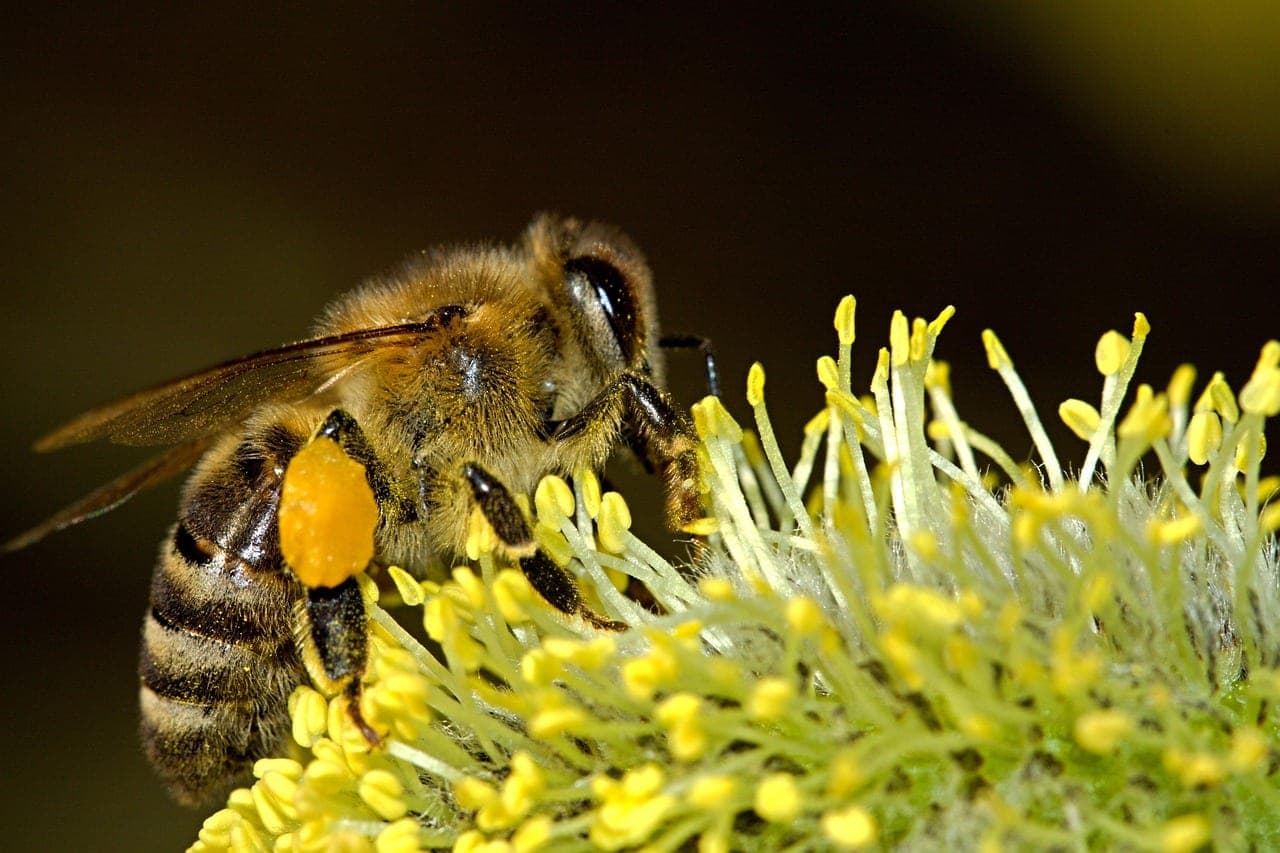
Physicists from Macquarie University (Australia) have found out how the sting of a bee is arranged. It works like a natural pump and continues to pump venom even after it has separated from the insect's body. This discovery will help to create new medical devices and fluid control systems in microchips.
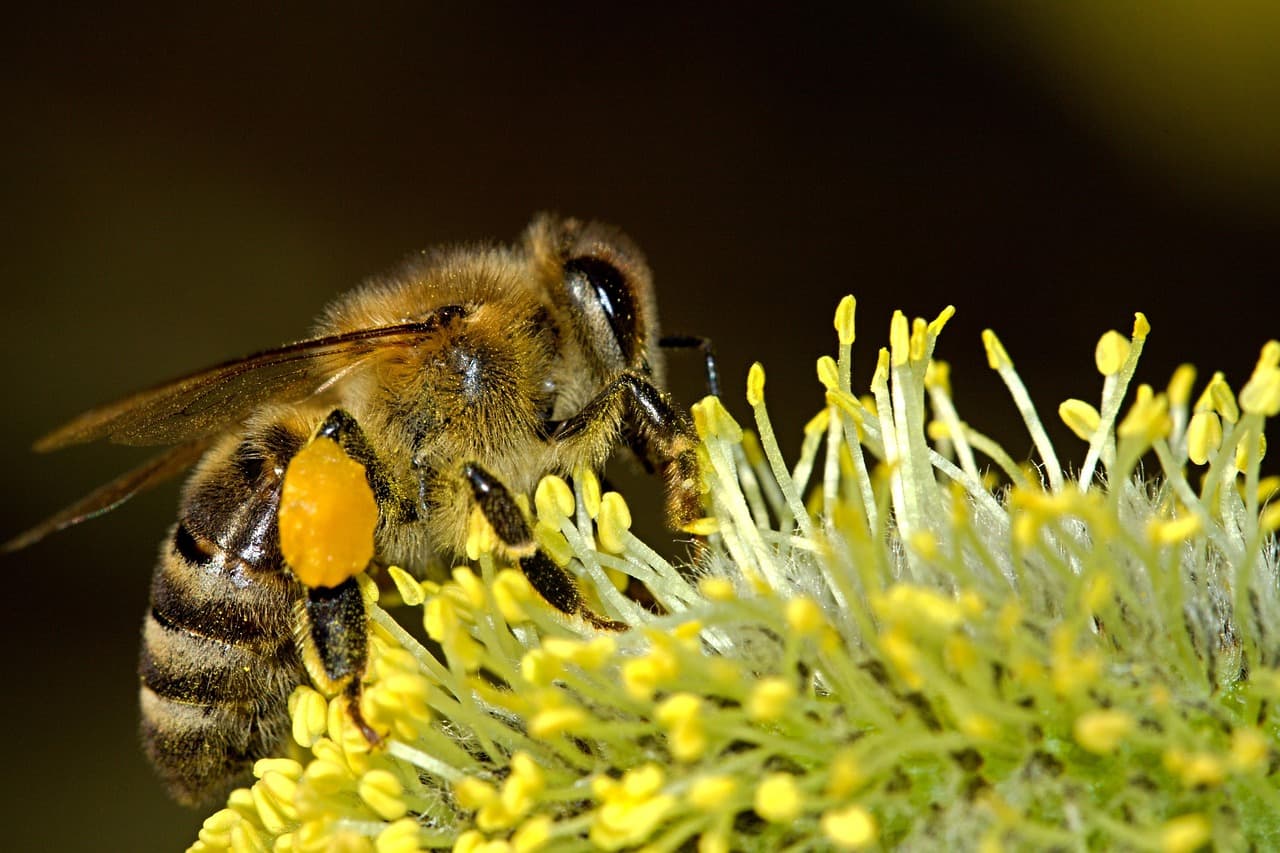
According to TASS, the press service of the university gave an explanation of the researcher of Macquarie University Fiorella Ramirez-Esquivel:
- If you’ve ever been bitten by bees, you know how much pain their sting can cause. We were able to reveal how this compact organ works and how all its moving elements work. It turned out that two valves with a unique geometry that allows them to change their shape play a key role in his work.
The sting of the bee is unique: it continues to work after it has been ripped from the insect’s body. It pumps venom into the victim, causing acute pain, even if the bee itself has already died or flown away. Scientists have long wanted to understand this mechanism, but could not observe the process. Australian physicists have solved the problem: created a transparent material that is mechanically identical to human skin, and followed the interaction with the sting.
Videos showed a unique mechanism for pumping poison. It involves two valves attached to two lancets inside the stinger. When a bee stings, the lancets move progressively: one up, the other down, then vice versa. These movements cause the valves to inflate when moving down and contract when moving up. So they change volume and shape. As a result, the valves work like biological pistons: pump the poison from the container at the top of the sting into the channels at the bottom. The venom enters the victim's body a few seconds after the sting separation, providing the maximum effect of the attack.
According to Ramirez-Esquivel and her colleagues, this mechanism is not found in any other venomous creature. It can be used for engineering tasks, such as developing compact pumps for microchips in biomedicine or drug delivery systems. In China, scientists have developed a membrane to capture carbon dioxide from industrial emissions