
In Minsk showed a documentary about a woman who sheltered more than 200 dogs
The story of the rescue of homeless animals gradually turns into a story of personal choice, loneliness and conflict with others. ...
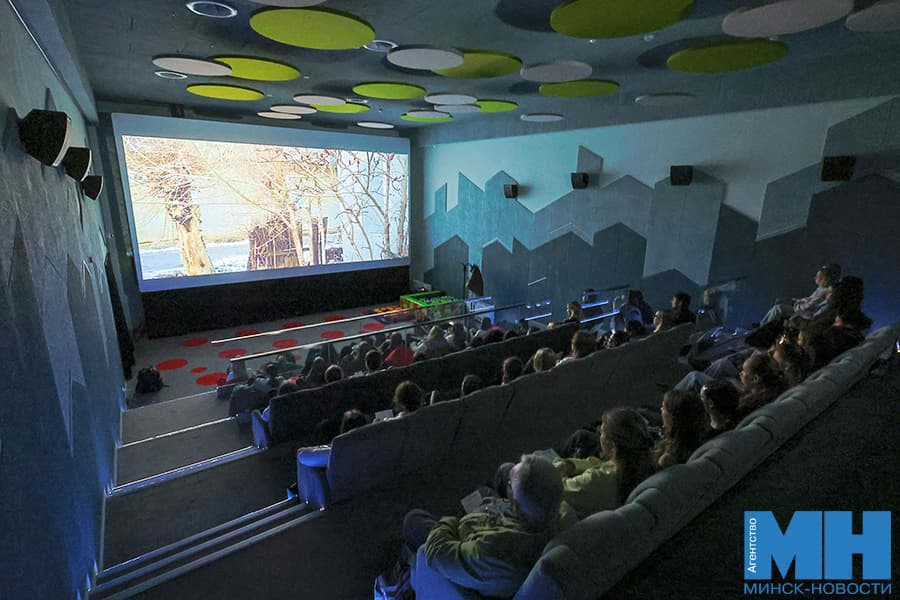
The story of the rescue of homeless animals gradually turns into a story of personal choice, loneliness and conflict with others. On October 1, in the framework of the X International Festival of Documentary Cinema of the CIS countries “Eurasia.DOC”, the Kyrgyz documentary film “Dogs” was shown, the correspondent of the Minsk-Novosti agency reports.
In the center of the picture is a woman from Kyrgyzstan, who for five years takes from the street wounded, abandoned and emaciated dogs. During this time, she rescued and sheltered more than 200 animals. For each of them, their home is their last chance at life.
However, for the heroine is an attempt to save animals, for her neighbors has become a serious problem. Due to the large number of dogs per woman has already been sued twice, and both times the decisions were not in her favor. A new trial is ahead. Despite the pressure and possible consequences, the heroine is not going to give up animals.

The film’s authors, Karash Zhanyshov and Aliman Toktogulova, consciously chose the observational method of shooting. There are no staged scenes and specially staged episodes: the camera remains next to the heroine and records her daily life, relationships with others and events occurring around her.

- The idea of the film came after we saw several stories about Tatiana and her dogs. We were interested in her story, and we wanted to get to know her more deeply – not only what was happening around the animals, but also to understand the heroine herself, her attitude to what is happening and the reasons why she continues to save dogs despite the difficulties. We contacted Tatiana and asked if we could make a film about her. She agreed, the filmmakers shared.
According to the director, the creators fundamentally did not interfere in what was happening and did not tell the heroine how to behave in front of the camera.
- We consciously chose the method of observation. We didn’t want to interfere, tell the heroine how to behave, or create situations specifically for the film. Therefore, there were no staged scenes – we were just nearby, observed and recorded what was happening in Tatiana’s life, Zhanyshov said.
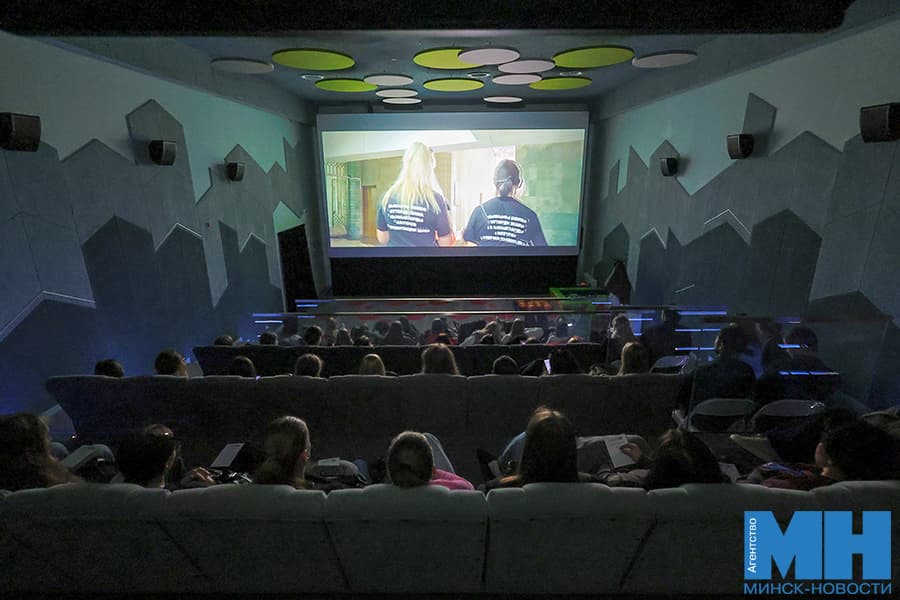
“Dogs” is not just a movie about homeless animals. Through the history of the heroine, the authors consider different questions: where does the border between personal responsibility and the interests of others, how does society treat homeless animals and what happens to a person who takes responsibility for those who have no one else to help.
There are several points of view in the picture. On the one hand, the heroine's desire to save dogs, on the other - the discontent of neighbors and existing legal restrictions. Therefore, the creators turned to specialists to understand the legal side of the situation.
- We have this problem really very acute. Of course, through the film, we wanted to have an impact on society, draw attention to the situation and make people think about how we treat homeless animals. In the process, we also contacted lawyers because there are a lot of controversial issues. It was important for us to understand not only the human side of this story, but also legal issues, Toktogulova said.
Gradually, the history of animals fades into the background, and the focus is on the heroine herself - a man who chose to care for a hundred dogs, despite conflicts and lawsuits. Her solution helps authors talk about loneliness, personal responsibility, and the cost of compassion.
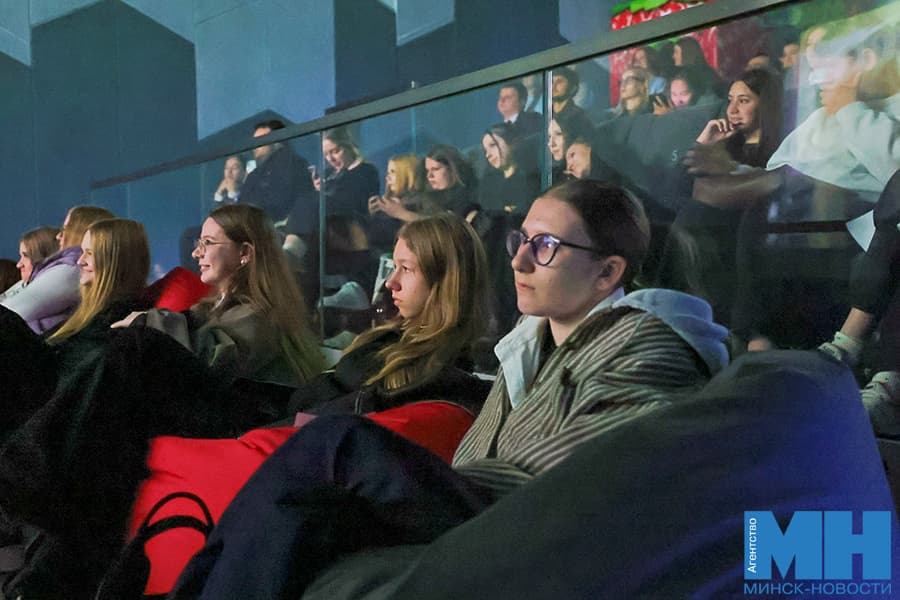
After the show, a meeting with the directors took place. Viewers were able to ask the authors questions and share their impressions of the film.
- An amazing and very emotional picture. The film is not only about homeless animals, but also about the loneliness, compassion and personal choice of a woman who, despite conflicts and lawsuits, continues to save dogs. I would like to see it as many people as possible, because it really makes you think, said Tatiana.

Photo by Denis Kulagi