
Scope warns of US vulnerability due to ‘inexorably rising’ national debt
According to Scope, the US national debt will grow to 160% of GDP within ten years. The agency believes that without economic acceleration or fiscal measures, the country will be more vulnerable to changes in investor sentiment
Large budget deficits and a continuing rise in the national debt make the US increasingly vulnerable to changes in investor sentiment, Scope has warned.
Scope maintained its U.S. credit rating at AA- with a stable outlook. This estimate is three steps below the maximum. At the same time, the agency pointed to the instability of the country’s debt trajectory in the medium term.
"Without substantially higher economic growth rates or significant fiscal adjustment - through revenue increases or spending cuts - Scope expects debt dynamics to remain unfavorable," it said.
According to the agency, within ten years, the US national debt will reach 160% of GDP. By 2031, net interest costs on the debt will reach an “exceptionally high” level. Scope also noted the risks of an upcoming congressional standoff over the debt ceiling, the statutory limit on federal borrowing.
As noted by Bloomberg, Scope estimates the creditworthiness of the United States is two notches lower than Moody’s, Fitch and S&P Global Ratings, and the Agency’s forecasts of “inexorably growing national debt” of the United States are “greater” than in other ratings. The last downgrade of the US rating by Scope occurred in October 2025, Bloomberg notes.
Scope is one of five rating agencies whose assessments the European Central Bank uses in determining the eligibility of collateral. It is the only one based in Europe.
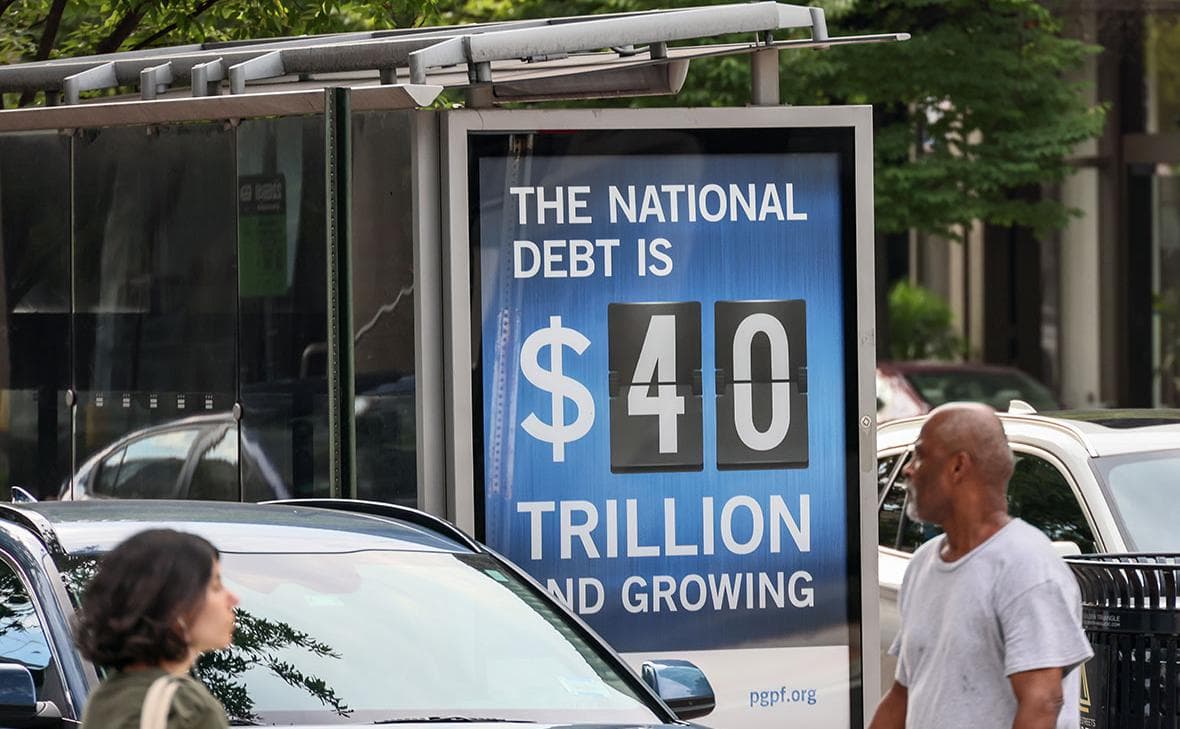
In August 2026, the US national debt for the first time exceeded $40 trillion, the US Treasury reported. The $39 trillion debt overcame about five months earlier.
In March, former Federal Reserve Chairman Jerome Powell, speaking at Harvard University, called the current level of debt manageable, but warned of the risks of further borrowing growth. The federal government’s debt is growing much faster than the economy, which in the long run means instability.
In May 2025, Moody’s downgraded the U.S. credit rating from a maximum Aaa to Aa1, citing increased debt burden and maintenance costs. The forecast changed from negative to stable. After that, the US lost the top rating of all three major rating agencies – Moody’s, Fitch and S&P.