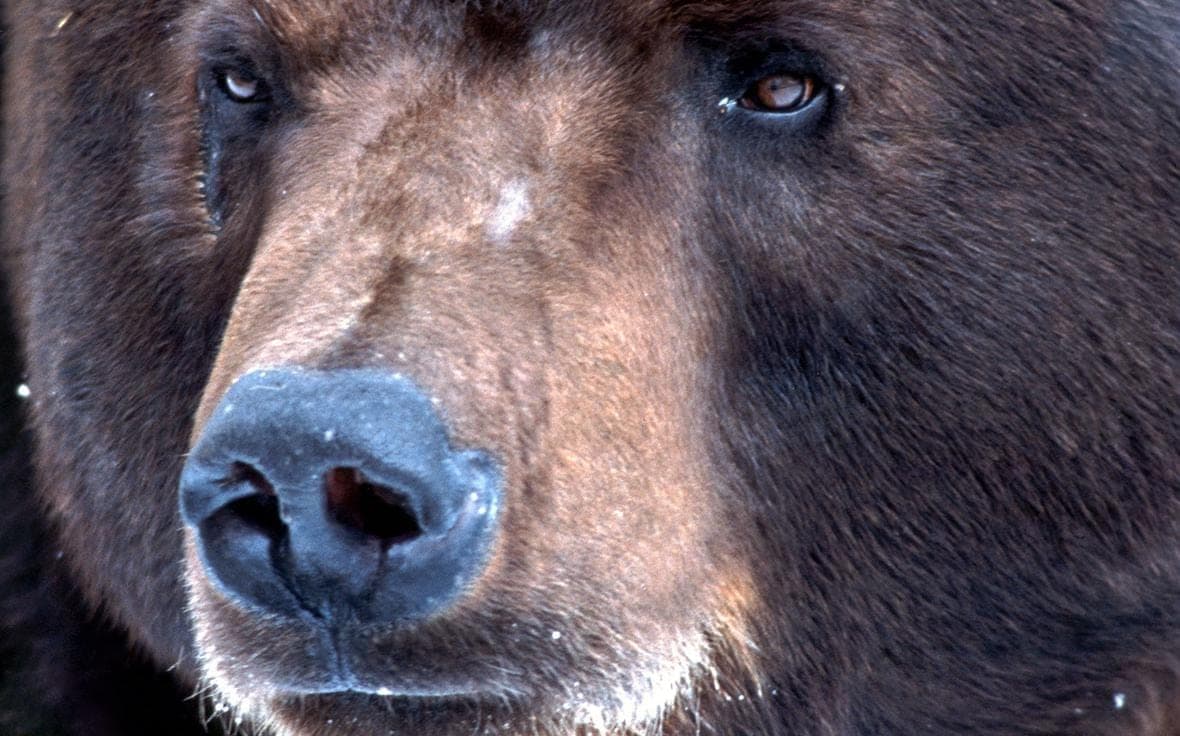
في ضواحي الدببة بدأت تذهب إلى المستوطنات
In the Moscow region in recent years, cases have become more frequent when Brown bears come close to settlements

In the Moscow region in recent years, cases have become more frequent when Brown bears come close to settlements. This is reported by TASS with reference to the press service of the Ministry of Ecology of the Moscow region.
وكما هو موضح في الوزارة، فإن هذا الوضع غالباً ما يعزى إلى زيادة عدد هذه الأنواع في المناطق المتاخمة لمنطقة موسكو. وهذا هو السبب في أن آثار حياة الدببة بالقرب من مستوطنات الضواحي بدأت تسجل في كثير من الأحيان.
According to the regional Ministry of Ecology, since the beginning of the year, about 20 appeals have been received from citizens who assumed that they found traces of bears in the forests near settlements. وفي الوقت نفسه، وفي معظم الحالات، لا تشير الاجتماعات ذاتها إلى وجود الوحش، بل إلى وجود البصمات على أرض الواقع، والتنمر على الأشجار والعلامات السمية الأخرى. وفي بعض الأحيان، لاحظت الطرقات الشباب.
At the same time, the ministry noted that people are often mistaken: theprints of large dogs are taken for bear tracks, and damage left by other animals, such as moose or even woodpeckers, are taken for marks on trees.
ويتوقف عدد الدببة في المنطقة اعتمادا مباشرا على كثافة سكانها في المناطق المجاورة. لذا، في مناطق تفر، ياروسلافل وسمولينسك، زاد عدد الأنواع. وفي ظل هذه الخلفية، يلاحظ في معظم الأحيان الدببة في المقاطعات الغربية والشمالية في منطقة موسكو. وحتى عام 2026، يمكن أن يصل عدد أفراد الدببة البنية في المنطقة إلى 70-80 فردا. This figure includes both the aboriginal population, which can reach 30-40 animals, and about the same number of individuals coming from other regions.
وفي الآونة الأخيرة، شوهد الدب في مقاطعة كلينسكي الحضرية بالقرب من قرية سباسكو.