NYT learned about the disagreement of the new head of Nvidia with daughter Huang
Interim CEO of Nvidia Colette Kress faced the need to determine the further role of relatives of the retired Jensen Huang in the company.
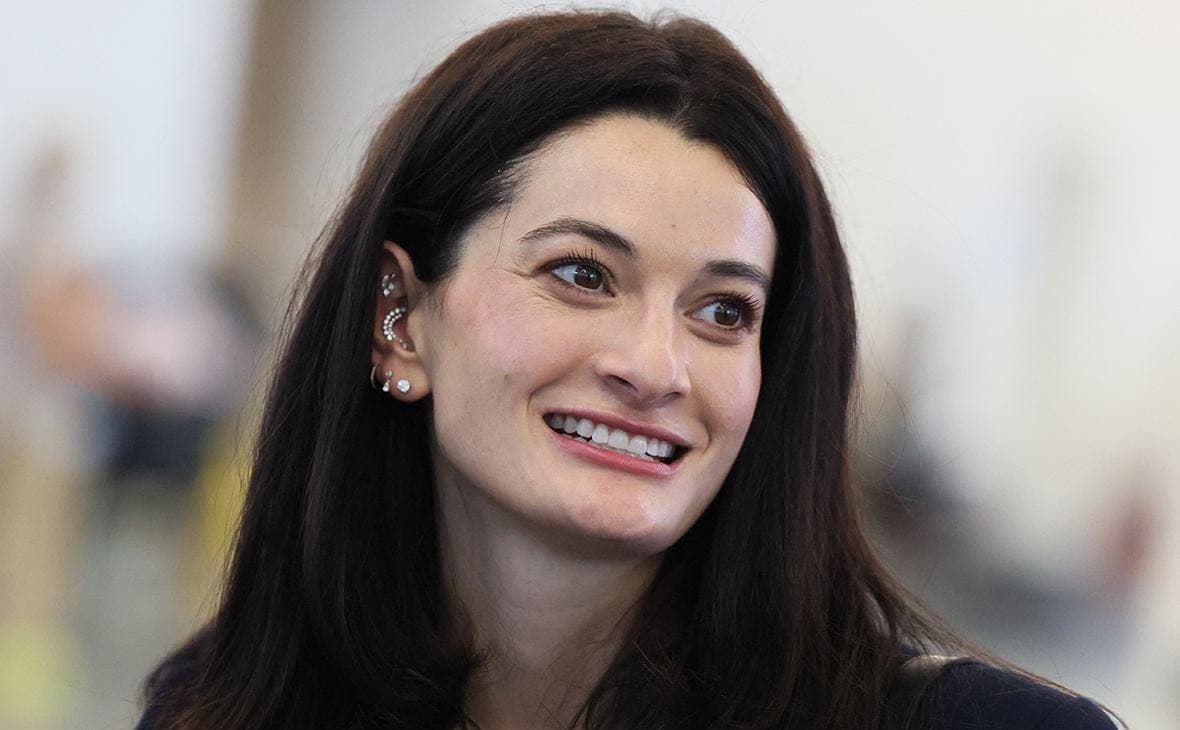
Interim CEO of Nvidia Colette Kress faced the need to determine the further role of relatives of the retired Jensen Huang in the company. In particular, we are talking about his daughter Madison Huang, whose influence extends even to more experienced executives of Nvidia, according to the New York Times (NYT).
Madison Huang officially holds the position of senior director of product marketing in the field of physical artificial intelligence, but actually served as the chief of staff of her father, writes the NYT, citing current and former employees of Nvidia. She has had a significant impact on marketing and communications, participated in senior management meetings and regularly addressed the board.
Kress also has to determine the future role of the son of the company founder Spencer Huang and his son-in-law Niko Kapretz. The first leads the product direction in the field of robotics, the second holds the post of vice president for the development of artificial intelligence infrastructure. According to interlocutors of the newspaper, before Madison Huang had disagreements with Kress, in particular, because of investments in robotic companies and deals with data center operators.
Jensen Huang resigned on November 12 after publications about his alleged extramarital relationship with Chinese entrepreneur Alice Huang and Nvidia Vice President Kimberly Powell. The entrepreneur left the posts of president and CEO, as well as the board of directors of the company, which he headed since the foundation in 1993.
The interim head of Nvidia, the board of directors appointed Colette Kress, who also retained the duties of CFO. She has been with the company since 2013 and previously held financial positions at Cisco and Microsoft. The board has begun searching for a permanent successor to Huang among internal and external candidates.
Huang took an unusual approach to managing Nvidia: he was directly subordinated to 60 specialists in chip architecture, memory, network infrastructure and software. He explained that he did not meet them individually because it was physically impossible, but instead assembled a team to solve problems together. Huang associated this format with the approach to product development as a single system, in which almost any engineering solution affects several technological areas at once.