100 exhibits in 100 years: how scientists study the vanished city of Patray
The Historical Museum offers a trip to the distant history and go to the ancient city of Patray, which was once located in the south of our country
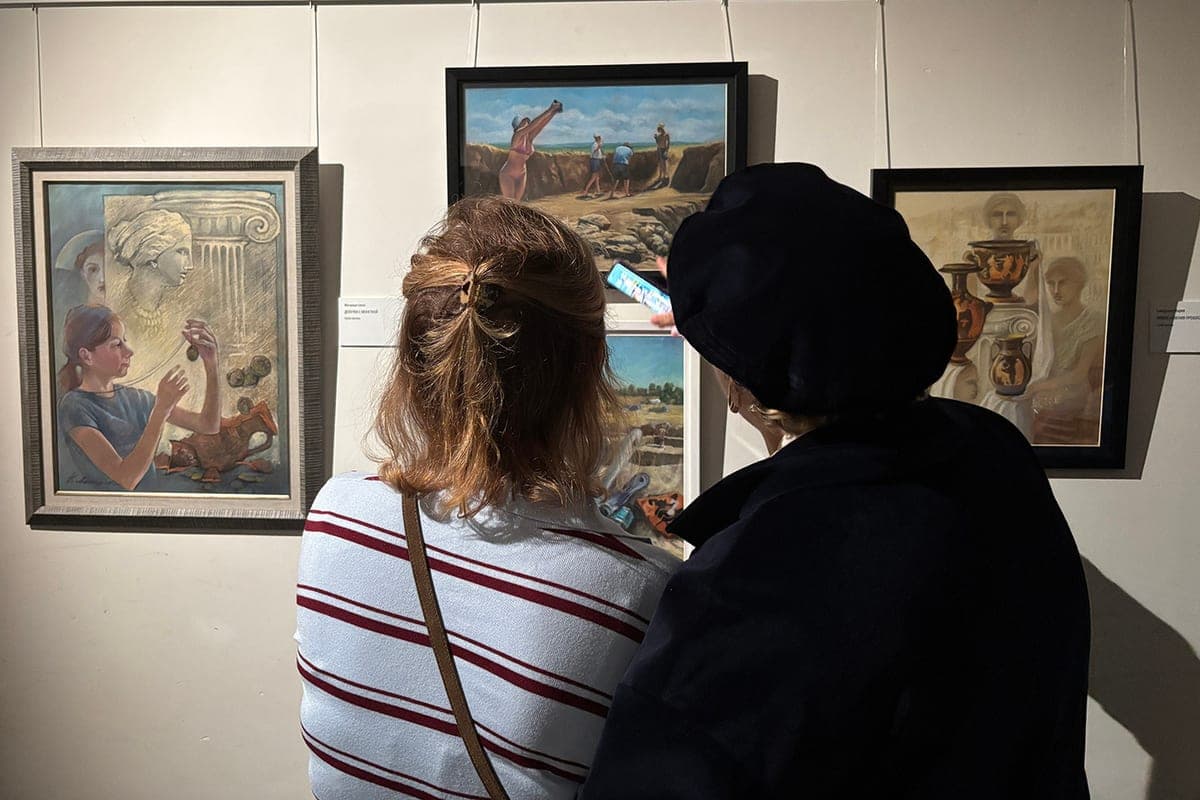
Excavations on the shore of the Taman Bay began in 1926, and they continue to this day. A significant part of the discovered artifacts are stored in the GIM. A small exhibition – exhibits a little more than a hundred – tells two stories at once: what was the ancient city of Patray, and how for a century scientists are studying the place where it once was – archaeologists who literally piece together history, and dedicated this exhibition.
The city of Patray existed for almost a thousand years. The location near the water allowed the inhabitants to engage in navigation, the southern land gave a good harvest - hence agriculture. All this is evidenced by a variety of artifacts discovered by scientists at the excavation site, such as an anchor, vessels for grains and even a mould for jewelry - and therefore, there were also jewelry masters! The city was wiped off the face of the earth in the IV-V centuries AD, and part of it went under water, so today archaeologists are searching not only on land, but also under water.
The second line of the story at the exhibition is the search process itself, and as a documentary part of it, we see all sorts of papers related to the permit for excavation, archival newspaper clippings telling about the progress of the work, and artistically captured stories of the excavations.
This year, the artists went to the Taman Peninsula, where they watched the work of archaeologists and reflected their impressions in pastel drawings.