
On World Mental Health Day, we remember the quirks of brilliant writers
October 10 is World Mental Health Day, and meanwhile, if we are talking about brilliant, world-famous writers, then we do not have to talk about the health of the soul
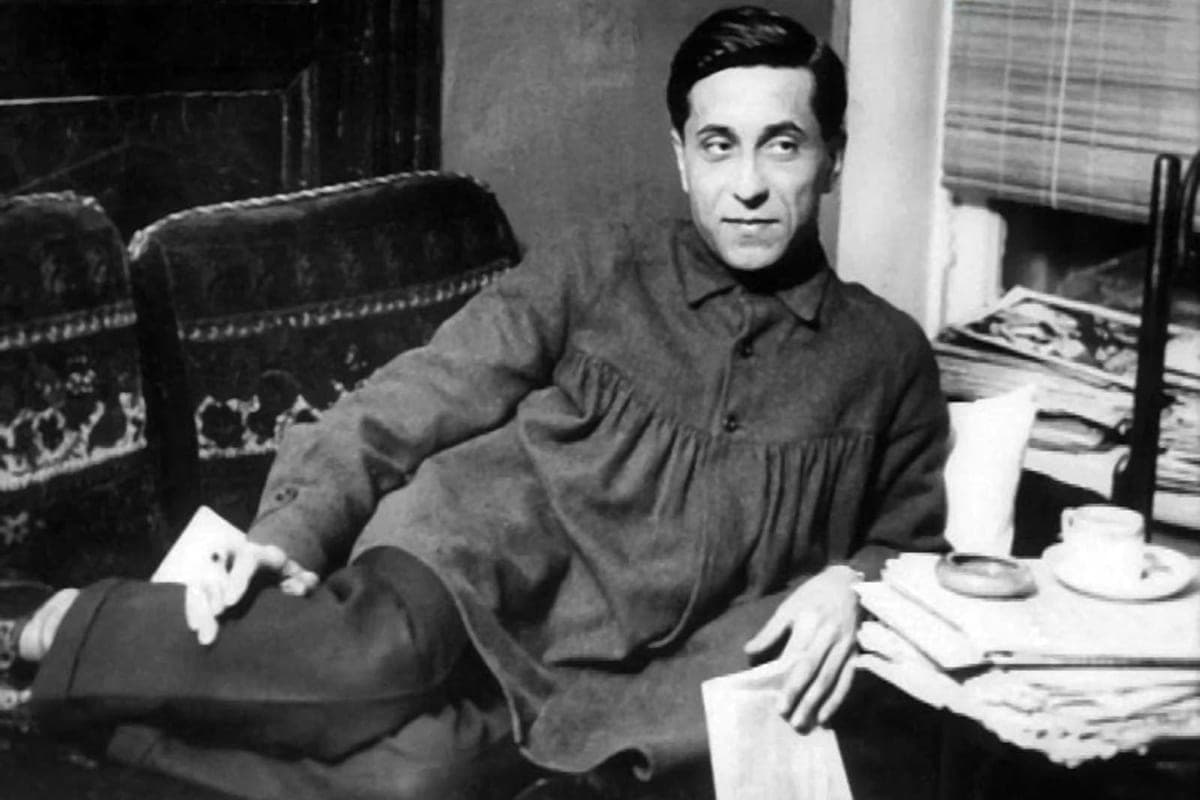
And meanwhile, you can flip through the leisure - especially, the date allows - not quite accepted by the scientific community, but a curious book "Genius and Madness" by Cesare Lombroso, which contains many funny, and sometimes strange examples of the behavior of writers with world names.
An Italian psychiatrist looked for parallels: many great people have traits that are easily confused with signs of mental disorder.
Here are some of the “freaks” he’s been paying attention to. Today, Lombroso’s approach is considered controversial – he often made “diagnoses in absentia”, based on rumors and legends, rather than direct examination:
Lombroso also drew attention to the fact that in both geniuses and people with mental disorders, the condition sometimes worsened due to the weather - sharp jumps in temperature, barometric pressure. The researcher noticed that a number of prominent people had such traits as gray or baldness at a relatively young age, thinness and a tendency to abuse alcohol (well, this is what it is, that is). It is important not to oversimplify the author’s position: Lombroso did not claim that all genius is insanity. He wrote:
Now let us ask ourselves whether it is possible, on the basis of these facts, to conclude that genius is nothing but neurosis, insanity. No, that conclusion would be wrong. True, in the turbulent and anxious life of brilliant people there are moments when these people represent a great resemblance to crazy people, and in the mental activity of both there are many common features, for example, increased sensitivity, exaltation, followed by apathy, the originality of aesthetic works and the ability to discover, the unconsciousness of creativity and the use of special expressions, a strong absent-mindedness and suicidal tendencies (which we strongly condemn – I.V.), * as well as often alcohol abuse and, finally, enormous vanity. It is true that among the men of genius there have been, and still are, madmen, just as among the latter there have been subjects in whom the disease evoked glimpses of genius; but to conclude from this that all men of genius must necessarily be mad, would be to fall into a great error, and to repeat, only in another sense, the erroneous conclusion of the savages, who regard as divinely inspired men all the insane.
This quote is 100% reliable, the translation of the treatise is taken in the library of the Scientific Center for Mental Health. It should also be noted that the Italian clearly stated that there were outstanding people who did not have abnormalities at all.
If genius were always accompanied by insanity, how can one explain to oneself that Galileo, Kepler, Columbus, Voltaire, Napoleon, Michelangelo, Cavour, people of unquestionably genius and who were subjected during their lives to the most severe trials, never showed signs of insanity?
But from the point of view of "pure entertainment" small volume Lombroso - 100% hit. We recommend everyone for a “light” reading on Saturday.