Favorite student of Suvorov: the book about the commander Bagration presented in Minsk
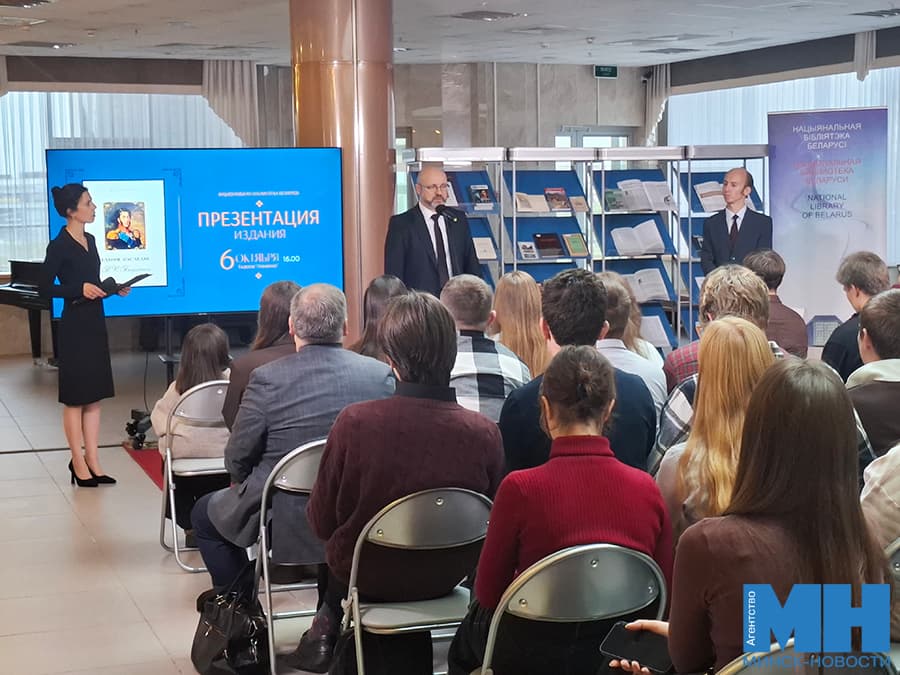
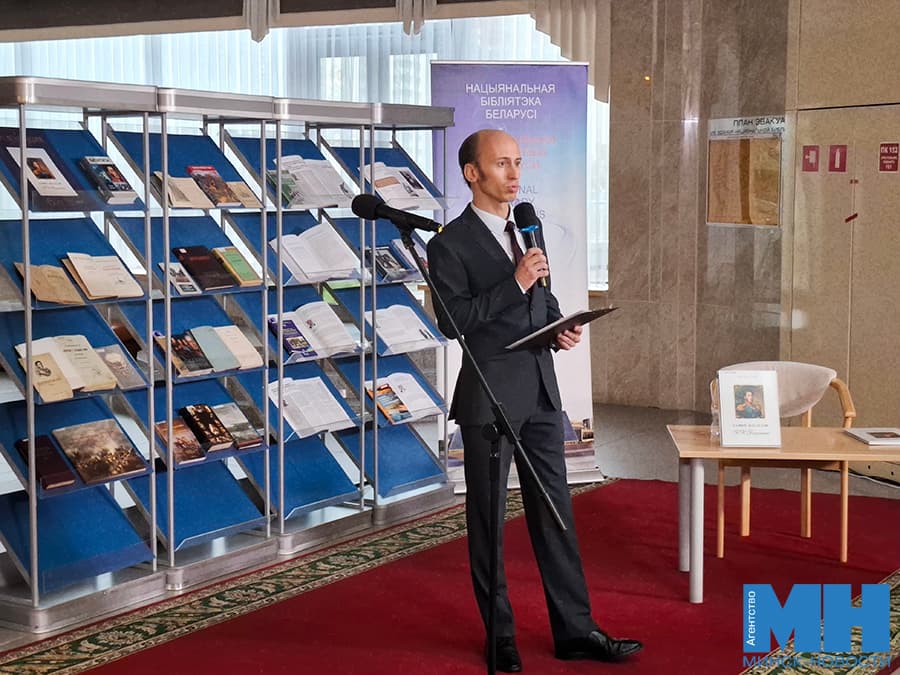
The book “United Heritage. P. I. Bagration” was presented in the gallery “Labyrinth” of the National Library on October 6, the correspondent of the agency “Minsk-Novosti” reports. In...
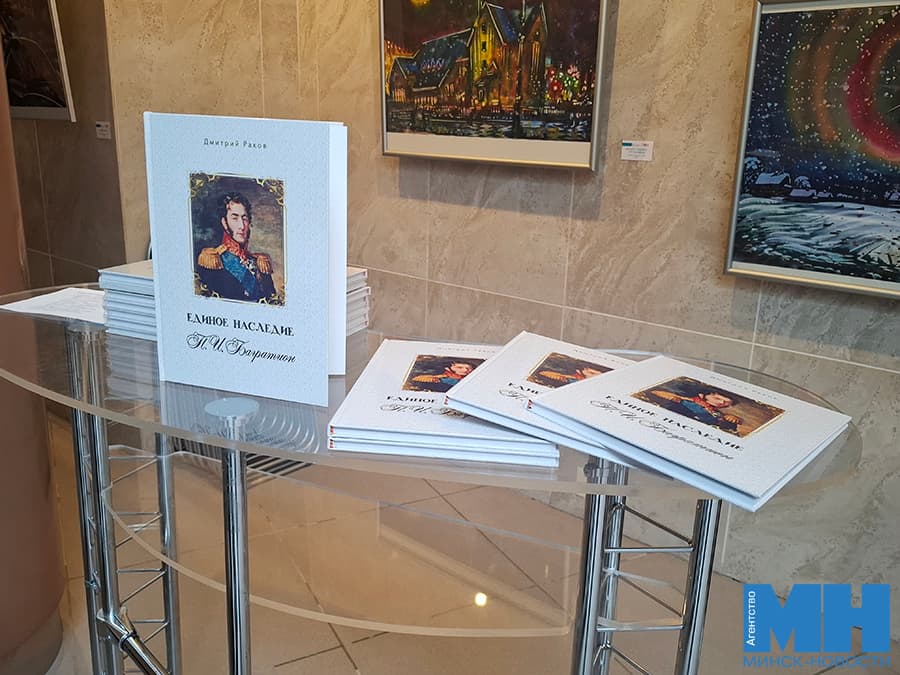
One Legacy book. P.I. Bagration was presented at the Labyrinth Gallery of the National Library on October 6, the correspondent of the Minsk-Novosti agency reports.
At the beginning of the Patriotic War of 1812, the Russian army was significantly inferior. The commander of the 1st Western Army, Barclay de Tolly, had 125,000 men, and Bagration had 50,000. The number of Frenchmen who crossed the Niemen was 450,000. This inequality of power caused a conflict between the Russian commanders.
Barclay de Tolly insisted on a strategic retreat inland. Bagration urged to stop giving the territory and start the offensive, but because of the onslaught of Napoleon I Bonaparte was forced to retreat. He skillfully withdrew troops from the blows of superior forces, successfully fought back in battles near the towns of Mir and Romanovo, and during the battle near Saltanovka, his soldiers crossed the Dnieper. As a result, Bagration's army was reunited with the army of Barclay de Tolly. Of the significant battles - participation in the defense of Smolensk and heroic command of the most dangerous area on the Borodino field.
Researcher of the Center for Military History of Belarus of the Institute of History of the National Academy of Sciences Dmitry Rakov published the first book in the history of sovereign Belarus about this commander.
- This work is our joint project with the National Library. The name of General Pyotr Bagration is constantly being heard, but we forget that this outstanding commander of the war of 1812 was also associated with the Belarusian territory. - The book has three chapters. The first tells about the formation of Bagration as a commander, his victories, military training with Suvorov. The second chapter recalls the events of 1812 – both a bright and tragic page in Bagration’s life. After all, in the midst of the battle of Borodino, the general was mortally wounded. The third chapter is devoted to the memory of this commander. There I examine in detail the items from the collection of the Volkovysk Military Historical Museum named after P. I. Bagration. His headquarters was located here.
The genre of publication is at the junction of military-historical and biographical prose. The book is dedicated to the 260th anniversary of the birth of P. Bagration (1765) and the 90th anniversary of the creation of the Volkovysk Military Historical Museum named after P. I. Bagration (1935).
- I wanted to show Bagration not only as a commander, but also as a person with his worldview and everyday problems. Unfortunately, he left behind no memoirs or military-historical studies. Therefore, the main information I took from the military staff documentation, preserved from that time. In addition, his colleagues and contemporaries wrote about this outstanding person. I paid special attention to the characterization of the era. In the book it is presented in the form of illustrations, maps and documents, added D. Rakov.
The author worked on the work for 3-4 months. 300 copies have been issued. The writer is pleased with the result. After all, his work is read not only in Belarus but also in Russia.
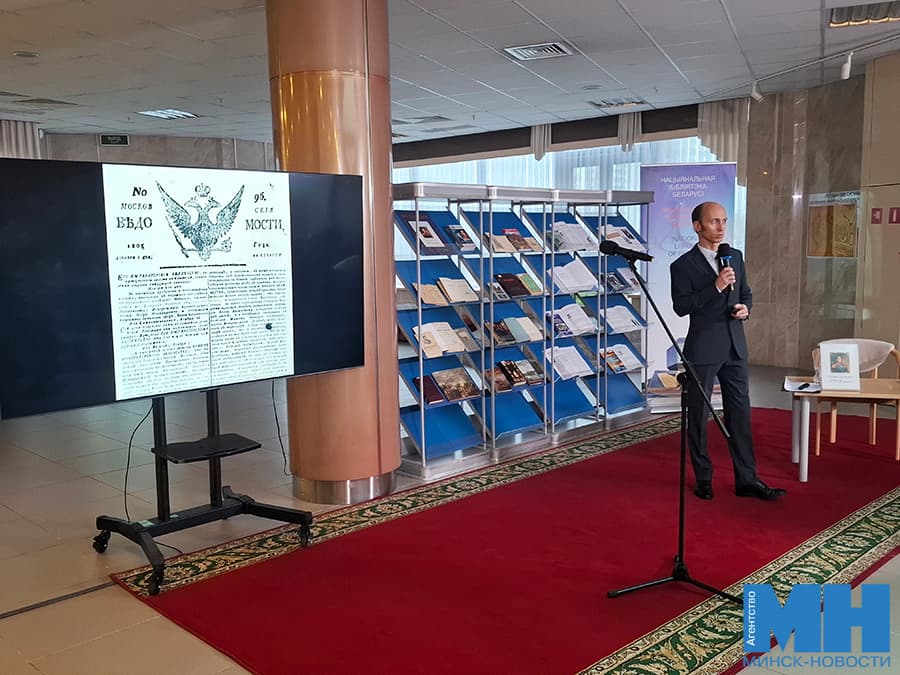
- I am now writing a book dedicated to Rustam Raza, Napoleon's bodyguard, who went through almost all his campaigns with him and was one of the closest people in the service. This is a very serious work that I have been working on for several years, the writer said.
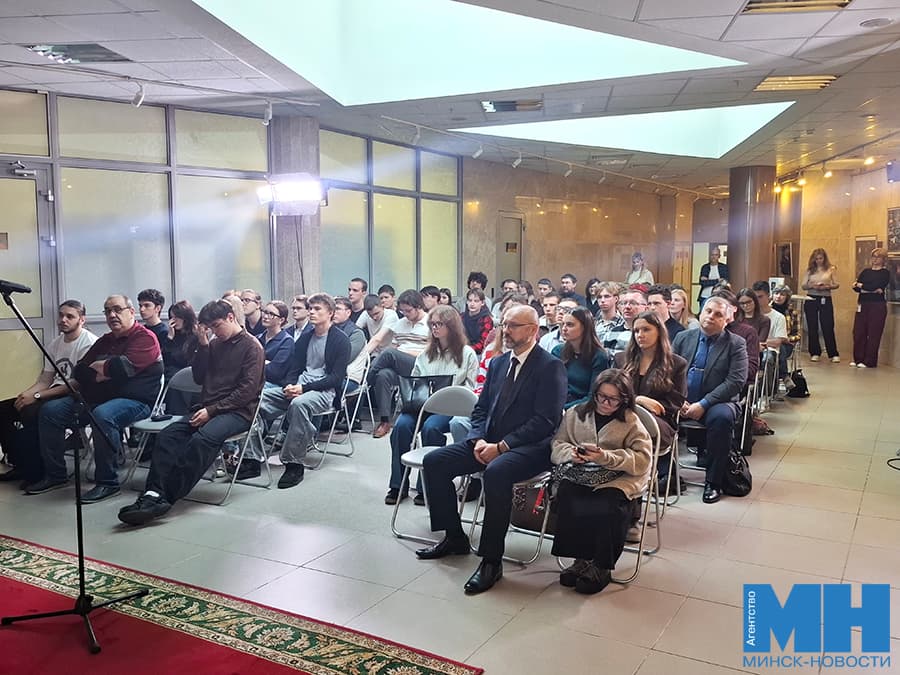
After the presentation of the book, guests could purchase the publication and get the author's autograph. The meeting was supplemented by a book exhibition dedicated to the commander.
- This work will be especially useful for the younger generation so that they know in whose honor Operation Bagration was named during the Great Patriotic War. My husband is fond of history. He read the book and was delighted with how the topic itself was revealed and the main character was worked out, said Ulyana Prokhorchik, head of the production sector of the publishing department at the National Library.
Photo by author