On the new album, U2 rehabilitate themselves and stadium rock
U2 promoted their sixteenth album Carnaval De Luz as hymns of joy, which are especially appropriate in a situation where the world of that and look will turn into ruins
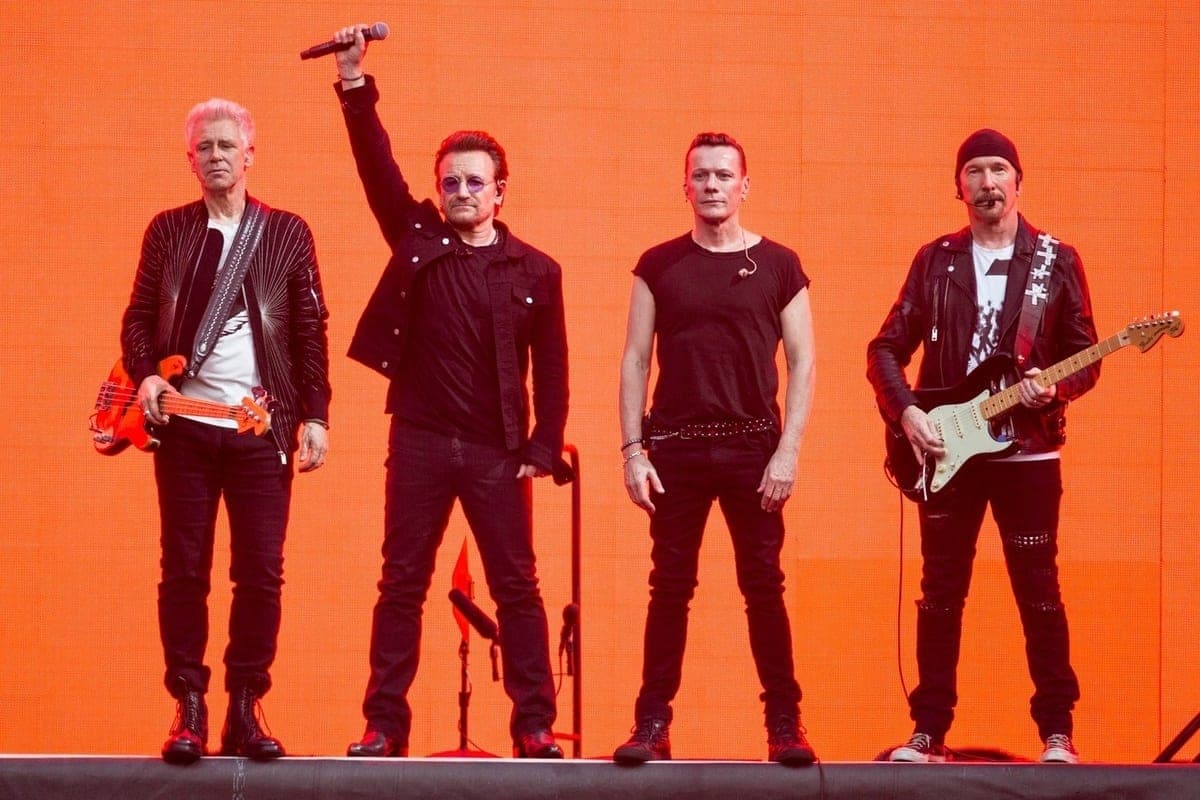
The news of U2’s next album may raise the question, “Have they played their mega-pop rock yet?” But immediately after the release, there may be reason to think: “Did they succeed again?” With Carnaval De Luz ("Carnival of Light"), they generally succeeded. And on the heels of this year’s new albums by The Rolling Stones and Paul McCartney, U2’s fresh record adds to the vibrancy and relevance of retro-rock guitar in 2026.
However, retro-rock games can now afford only rock giants. You need to be U2 to attract producer Jacknife Lee to the work, take Brian Eno, who in the eighties actually invented the same U2 sound, as well as characters of the rank of Daniel Lanois (he is directly related to the recording of classic albums of the group) and electronic magician Martin Garrix. Finally get permission from Dolly Parton herself to use her last recorded song before the country legend's death.
Further in detail: studios in America, France and Ireland (one of the Dublin addresses of the work on the album was a small studio equipped in the house for demolition with extremely spartan conditions and a minimum set of equipment to remember how it all began); clips that shoot the fashion directorial duo Cliqua (they worked in Mexico City on Silencio) and MTV legend Anton Corbijn (he was attracted to the film adaptation of The Greatest Show On Earth in the California desert); not very rational and obviously expensive manner of Bono and Co. to come to the record not even with ideas for them, and to try them on the spot.
All this fat may be completely meaningless, but in the case of Carnaval De Luz, a big rock 'n' roll trek still led to the goal. It worked really well. There are those U2s that many remember from the big albums from the last century. And there are very contrasting, especially against the background of rock giantism, pop trinkets. Under Superficiality you can arrange very unbridled dances, Midnight Sunshin is suitable for a morning shower, Glorify resembles gospel in the most playful sense. And if you generalize, then on this album there is an extremely scarce feeling of live performance for our time. In this music, you can feel the physical presence of people who play guitars and drums rather than programming beats. And if you can give rock and roll joy, then musicians are not greedy.
In one promo interview, U2 members complained about having to strain when young bands like Fontaines D.C. are in business. A little clarification is required here, of course. If Fontaines D.C. on his recent album Dopamine Chamber just go out of their way, sorcery over the sound stuffed with electronics in order to fit into the standards of current fashion, their legendary compatriots in many ways put up for sale the most successful components of their back catalog.
And if you look at this catalog, it's safe to say that there are two very important albums in U2's career. On The Joshua Tree (1987), they, with the help of producer Brian Eno, found a sound that became associated exclusively with U2. On Achtung Baby (1991), they turned their rock and roll inside out, presented hits of global reach and images of rock stars with pontiffs, figs in their pockets and jokes reminiscent of political anecdotes. These are the two albums that U2 has been returning to lately. In 2017, they celebrated the thirtieth anniversary of the release of The Joshua Tree with a large tour based on material from this album, and from fall 2023 to spring 2024 they played forty shows in Las Vegas, reimagining Achtung Baby.
At Carnaval De Luz, the shadows of this rock 'n' roll classic reappear in the most insistent way. The first track Go (Carnaval De Luz) is very reminiscent of Zoo Station, which opened Achtung Baby: you seem to have planted a defective copy of the album, so strange and unusual sound these tracks with a difference of thirty-five years. La Reina is another roll call from the Nineties, while The Greatest Show On Earth and Streets Of Dreams are very similar to the sound of The Joshua Tree. This can be called reluctance to compromise principles or cynical fan service, but the songs came out more than convincing, for which there is a lot to forgive.
It is more difficult to come to terms with the stadium chant Can’t Stop Us Now, which seems to be written by artificial intelligence, or what is called “bonoism”, that is, the very obsessive desire of the frontman and author of the words Bono to pronounce platitudes with his trademark pomp. But there’s no getting away from it, this kind of rock pathos is as much an integral part of U2 as Bono’s big glasses.
During the already announced tour and pathos and glasses and carnival mood of the new album have every chance to justify the name of the upcoming tour – The Greatest Show On Earth. Fans are waiting for the real U2. Not the ones who for some reason rewrote their own songs for the compilation Songs Of Surrender, not the ones who for several months with a hired drummer (Larry Mullen was recovering from surgery and decided not to wait for him) played for those who can afford to have fun in Las Vegas. But those who are writing new songs again and are ready to play them live on different continents. We really don't have to worry about that. We have our own carnivals here.