“Call loved ones”: director Bulat Sabitov about the film “I will come”
In early October, the film Bulat Sabitov “I will come” is released in the Russian rental: the story of 16-year-old Timofey, who escapes from a special school to find his grandmother who stopped responding to his letters
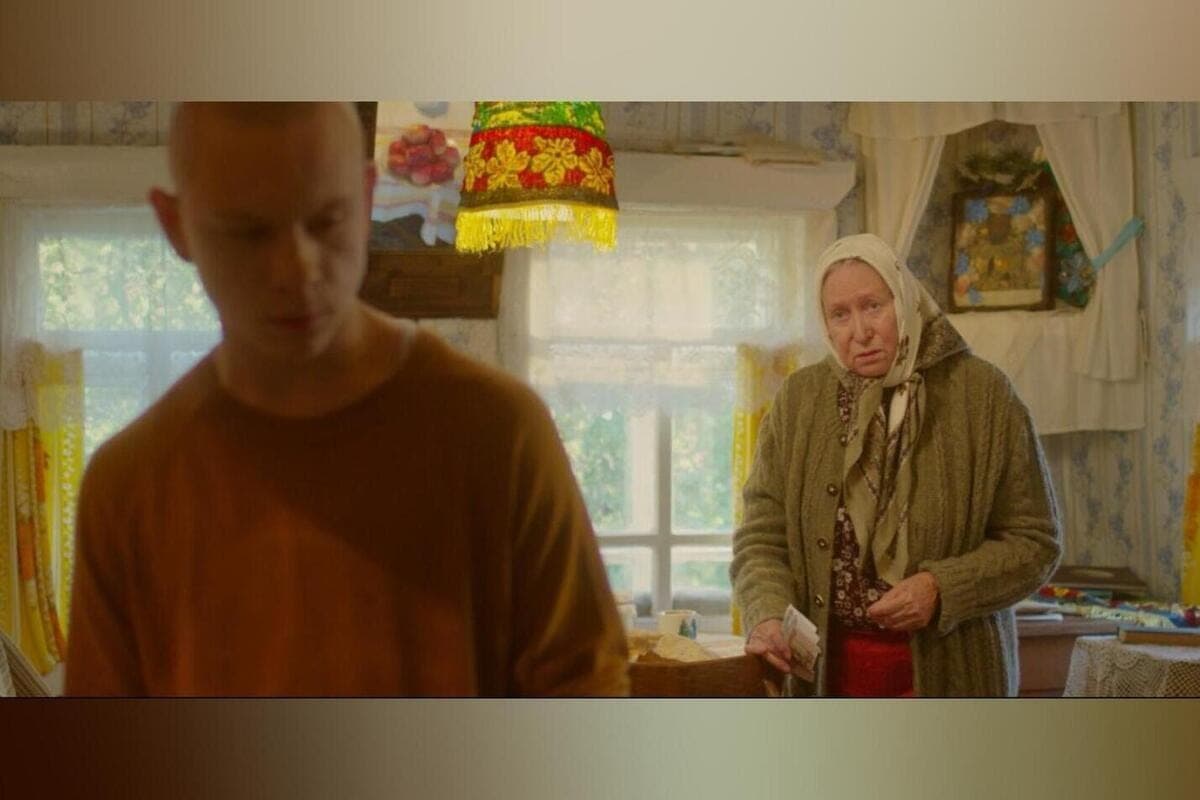
In early October, Bulat Sabitov’s film “I Will Come” was released in Russia: the story of 16-year-old Timofey, who escapes from a special school to find his grandmother, who stopped answering his letters. Together with eight-year-old Malk, he goes on a road that gradually becomes a journey for the heroes not only around the country, but also to understand loved ones.
For Sabitov, the story began in 2018 - with an acquaintance with the screenwriter Anton Shutov and his thesis "The Fugitive". “After reading it, I realized that this is exactly the story that can be realized today,” the director recalls.
However, the original name was abandoned. According to Sabitov, the word “fugitive” immediately set a negative tone and attitude to the main character. That’s how “I’ll come” came about, a phrase that the director takes as a promise and hope: “For me, behind this phrase is a certain hope for the good and the bright that everything will be fine.”.
Working on the script, Sabitov deliberately made the story lighter. “Life is full of negativity, so let’s bring goodness and positivity to the movies,” he explains. The director built the visual language of the film based on the Soviet film school. Among its references are Karen Shakhnazarov’s Courier, Sergei Bodrov’s Sisters and Takeshi Kitano’s Kikujiro.
At the same time, the film does not seek to divide the characters into clearly good and bad. “People are not divided into good or bad, people do good or bad things. The whole world is not divided into black and white, it is rather gray and multifaceted.
The main theme of the picture for Sabitov remains the care of loved ones. Therefore, when asked what the viewer should think about after the final credits, he answers very simply: “Call your loved ones, especially grandmothers, they so lack our attention and care.”.