EU assesses winter readiness amid low gas reserves
The European Commission said the EU would be able to meet gas demand in winter by increasing LNG imports despite low inventories. At the same time, European operators of gas networks urged to maintain a reserve in case of cold weather at the end of the season
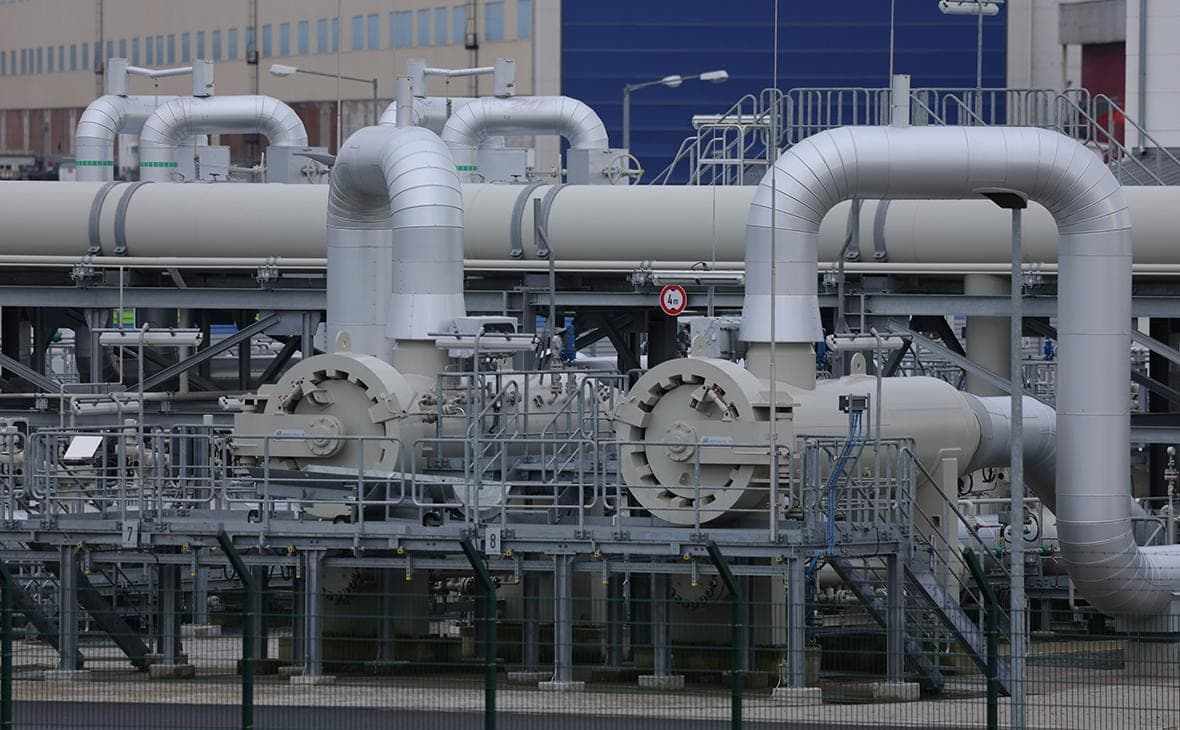
The EU gas system is ready to meet demand in the coming winter, despite the lower than in previous years, reserves in storage. This was announced by the European Commission following the meeting of the Gas Coordination Group, which presented the winter forecast of the European Network of Gas Transmission System Operators (ENTSOG).
"The EU infrastructure can cope with increased imports of liquefied natural gas (LNG) and offset lower levels of inventories," it said.
The European Commission noted that the situation is significantly different from the winter of 2021-2022. The EU is better prepared by diversifying supplies, expanding capacity for LNG imports and reducing gas demand.
At the same time, ENTSOG pointed to the need to maintain sufficient reserves during the heating season. They will be needed in case of cold weather at the end of winter and will help make it easier to fill storage facilities next summer.
The volume of LNG imports will depend primarily on winter temperatures and their impact on gas consumption. The decision to purchase additional batches or to select fuel from storage facilities remains with market participants, the European Commission said. It will continue to monitor stocks, supplies and prices together with EU countries.
According to Gas Infrastructure Europe, as of September 28, European vaults were 71.3% full, the lowest level for this season since monitoring began in 2011. At the same time, in absolute terms, they contained about 78.4 billion cubic meters of gas.
The Center for Price Indices explained the low reserves in the cold winter of 2025-2026 and the shortage of LNG due to the blockade of the Strait of Hormuz. Research Director of the Institute of Energy and Finance Alexey Belogoryev also pointed to high summer prices: traders risked buying expensive gas and not getting enough profit when selling in winter. Belogoryev noted that the consequences of low reserves will depend on the weather: a warm winter Europe can pass without problems, but with a cold margin of safety will be limited.
On October 3, the head of Gazprom Alexey Miller predicted a difficult autumn-winter season for Europe. According to the company, as of October 1, the EU storage facilities were filled by 72%, and the volume of active gas in them was 11.3 billion cubic meters less than a year earlier.
At the same time, the EU continues to refuse Russian gas. The head of the European Commission Ursula von der Leyen on October 6 announced her intention to reduce its imports to zero by the end of 2027. At the meeting on October 8, preparations for the cessation of imports of Russian LNG under long-term contracts from the beginning of next year were discussed.
Russian President Vladimir Putin in March allowed the termination of Russian gas supplies to Europe before the introduction of new EU restrictions. According to him, it may be more profitable for Russia to refocus on other markets and gain a foothold in them. The President stressed that these are “thoughts out loud” and not a decision, and promised to instruct the government to work out the issue. He said he was ready to continue energy cooperation with Europe if European countries signaled interest.