
The state Duma adopted in the second reading a bill on taxes in 2027
The key innovation of 2027 in taxes is the inclusion of “passive” income in the general base for personal income tax, along with salaries. Deputies approved it, the volume of the bill reached 300 pages
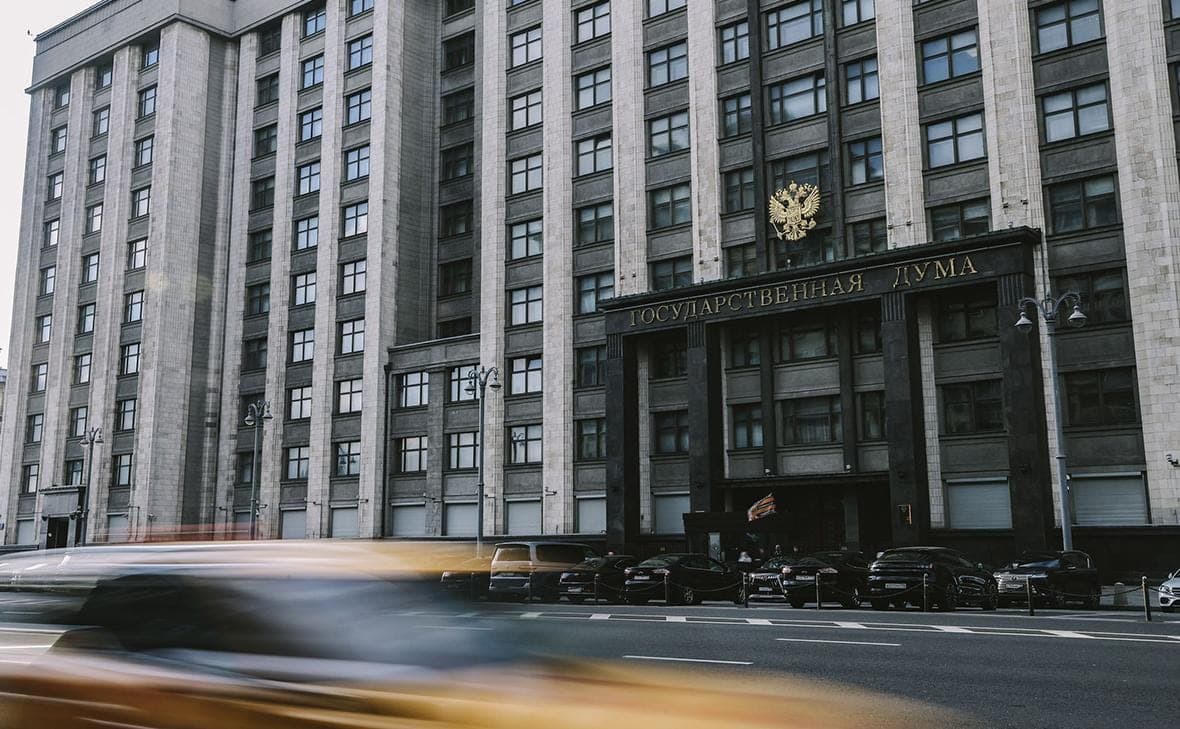
The state Duma adopted in the second, main reading the bill on tax changes in 2027 (RBC followed the broadcast of the meeting). It was submitted by the government on September 30 and significantly revised for the second reading - more than 100 pages were added (now there are 294).
A key innovation for most resident individuals is the consolidation of labor income (primarily salaries) and “passive” income (such as dividends, interest on bank deposits, income from securities transactions) into one common tax base for personal income tax. It will be applied to the current five-step progressive scale for salaries with rates from 13 to 22%, where the rate of 13% is taxed income within 2.4 million rubles per year. In 2026, personal income tax with two rates is applied to “passive” income, where 15% of the income exceeding 2.4 million rubles is taxed.
From 2027, personal income tax will be calculated from the aggregate of income (taking into account applicable deductions), including:
income from the sale of property; income from dividends; income from transactions with securities; income from the sale of shares in the authorized capital of russian companies; income from operations with digital financial assets or rights; interest income on bank deposits.
When finalizing the bill for the second reading, this configuration has not changed.
The Ministry of Finance explained such unification, in particular, the principles of fairness (shifting the tax burden on high-income citizens) and transparency (eliminating the prerequisites for tax optimization, when, for example, labor income is disguised as dividends).
During the revision of the bill, an article was added to the second reading, in particular, expanding the possibilities of federal cities to introduce a trade fee for catering services and household services to the population (now the trade fee is valid only in Moscow).
In addition, the bill reduces the federal list of activities for which regions can set reduced rates under the simplified taxation system (USN) at 1-6% (“income”) and 5-15% (“income minus expenses”). Currently, the vast majority of activities are included in this list. It will be reduced to about 50 OKVED (plant and livestock, dairy production, bakery products, clothing and footwear production, etc.).