
Experts on key directions of strategic roadmap for development of Belarusian agro-industrial complex
Restoring order on the ground, compliance with labor discipline, the introduction of technology and robotization, increasing food exports: experts about the key issues in the field of human resources.
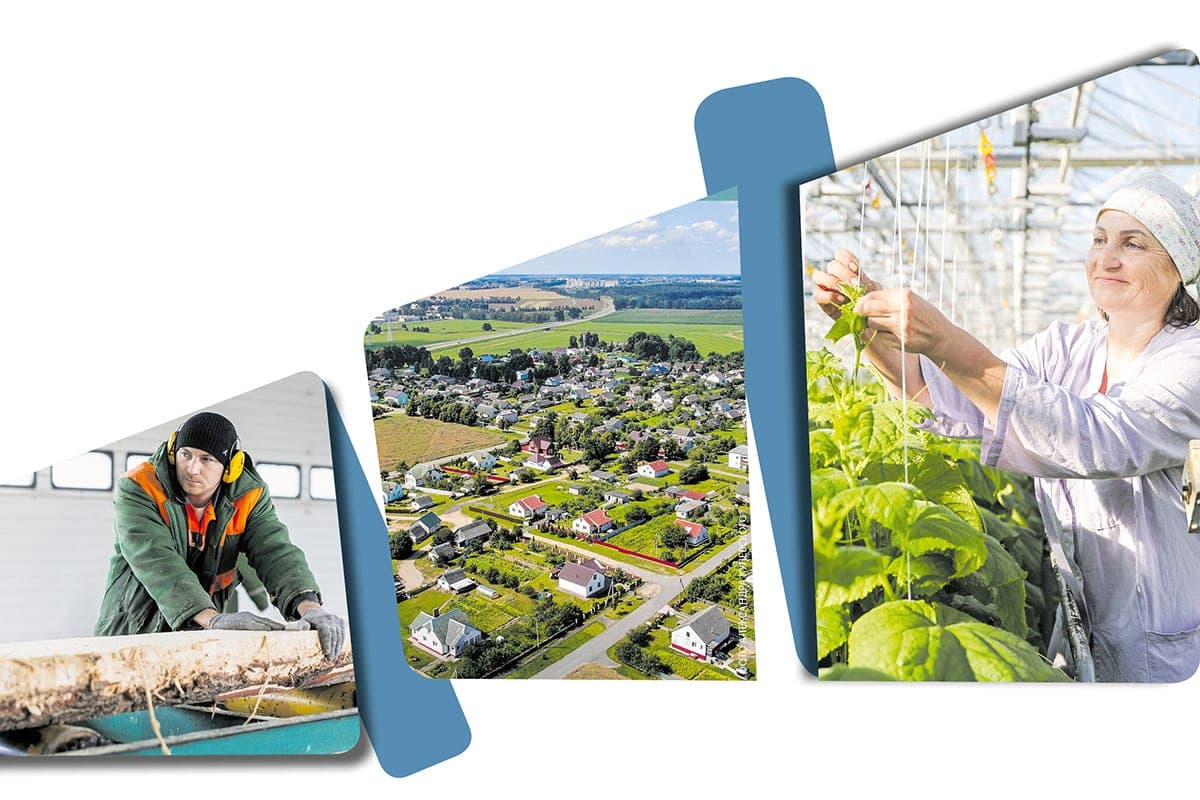
Restoring order on the ground, observing labor discipline, introducing technologies and robotization, increasing food exports: experts on the key directions of the strategic roadmap for the development of the Belarusian agro-industrial complex, formulated by the President at a meeting in Shklov
On Monday, November 9, a large working trip of the President of Belarus Alexander Lukashenko to the Mogilev region, the main topic of which was the development of the agro-industrial complex, ended with a meeting where the Head of State formulated strategic guidelines for the Belarusian agro-industrial complex for the near future. On the eve of a serious conversation, during a visit to the Govyady-Agro agricultural enterprise in Shklovsky district, the Belarusian leader explained why he pays such close attention to agriculture: the world demand for food is only growing. “For us, an opportunity. That’s the whole philosophy, he said. The head of state stressed that the agro-industrial complex is a huge, very large-scale sphere in which it is necessary to carry out timely reforms, take into account the trends in the development of technology, as well as the growing demands of the population. At the meeting with the participation of the heads of all 118 districts, governors and ministers, President Alexander Lukashenko urged not to be temporary workers in this land
- I just urge you to be masters of your land.
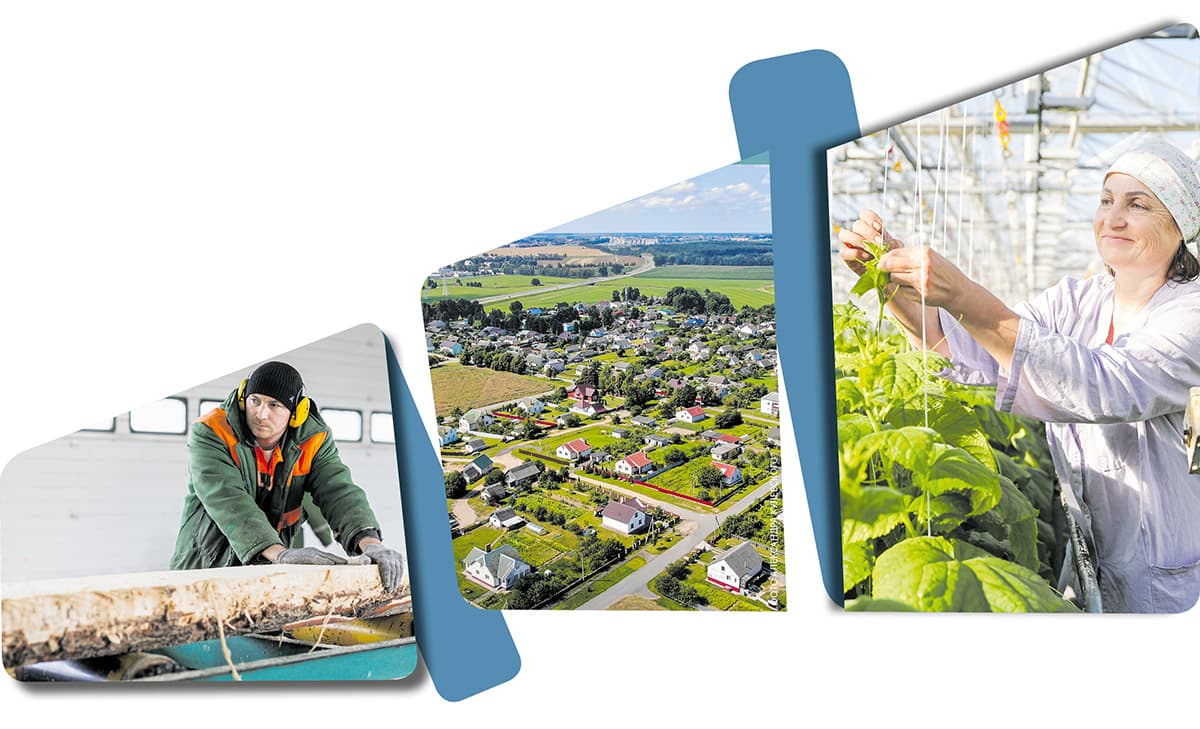
Alexander Lukashenko stressed that woodworking and agriculture are the main areas that will always be dealt with in Belarus. That is quite justified: by the end of 2025, the area of agricultural land amounted to 7.93 million hectares, forest land - 9.078 million hectares, and therefore it is quite expected that the return from these territories is betting now and for the future.
- These economic activities are based on their own natural resources. Their development entails progress in other areas - science, mechanical engineering, processing industries. And, if you look, we are not just without looking at what is, and wisely approach to take a maximum of one hectare, — said the expert. At the same time, we are thinking about the future to not only preserve but also increase the fertility of the soil. Promptly create new forests on the site of felled, even more plan, if there are opportunities and conditions contribute to it. And people support this, for example, they are happy to actively participate in reforestation activities. If they did not see the meaning of this and doubted that they were working for the benefit of future generations, no one would respond, because this is a voluntary matter. In fact, more than 40,000 people joined the action this fall alone.
According to the interlocutor, it is important to increase the depth of processing of agricultural products, as well as wood, leaving the maximum added value in the country and earning more on their resource, competencies and technologies.
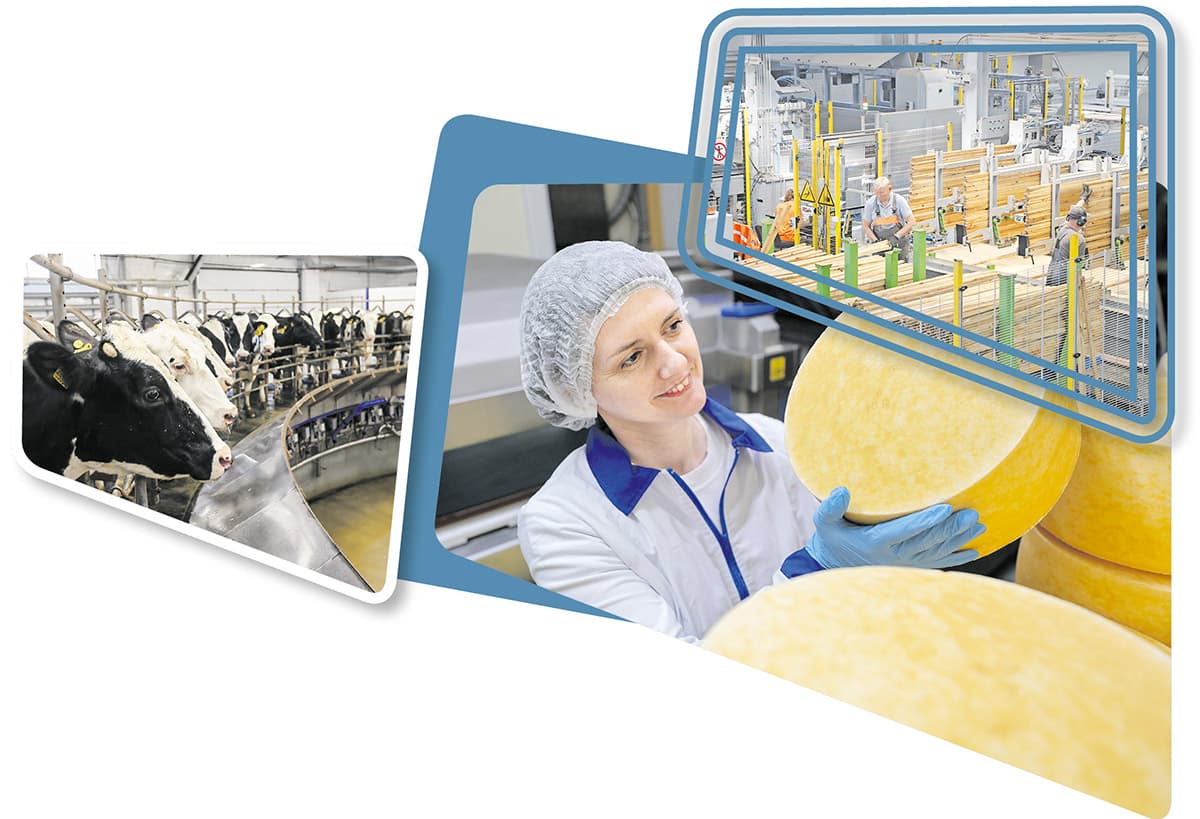
- Moreover, these products are in demand in the world, known for their quality, and the demand for them in the future will only grow. So, solving the problem of increasing the processing and production of the same food, Belarus participates in solving the global problem of overcoming hunger on the planet. In 2025, we exported food and agricultural raw materials for a record $10 billion. And the President set a task in the future to double this figure. The head of state always clearly assesses the situation, because he keeps abreast of the development of all areas of the economy. Food around the world is experiencing accelerated price increases, and food security is becoming an important factor for many countries. In these conditions, our country is in an advantageous position - Belarus not only provides itself, but also supplies its high-quality food products around the world. All this became possible thanks to the policy pursued by the Head of our state.
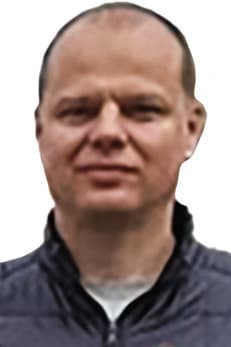
Vitaly Piluy. Deputy Director of the Institute of Economics of the National Academy of Sciences of Belarus for scientific and innovative work, Candidate of Economic Sciences Vitaly Piluy notes that from 8 to 10 percent of the world’s population is not provided with the necessary food:
- According to the Eurasian Economic Commission, self-sufficiency in food is 95 percent in Belarus. We have a very high rate of self-sufficiency in milk and dairy products - about 300 percent. We produce literally three times as much as we can consume. The level of self-sufficiency in meat is about 140 percent, eggs – 130 percent. We provide ourselves with potatoes and vegetables. We export all the surpluses and make money for the whole country. It should be understood that we have 95 percent self-sufficiency in food only because there is a small item of imports. We are talking about those products that we cannot produce due to the climatic characteristics of our territory. We do not grow, for example, bananas, oranges, pineapples. This also affects the overall balance. In addition, Belarus does not have sea borders and does not catch sea fish. That's why we import it. And even in this situation, the country has organized an effective processing of seafood. But in general, the security of 95 percent is a very high figure.
Vitaly Piluy emphasized that Belarus has reserves for increasing food production:
- As the President said, observing technological discipline, it is possible to achieve significant results in obtaining grain crops. This year in November, according to the Ministry of Agriculture and Food, more than 11.4 million tons of grain, including rapeseed and corn, were harvested in agricultural organizations and peasant farms of the country. In order to provide the population with bread, pasta, cereals, up to 1 million tons of grain are needed. Everything else goes to the needs of livestock. We can still increase food production, including meat, milk and livestock products. We have reserves that can be sold on international markets in the future. Given that millions of people in the world are not provided with the necessary food, our reserves will definitely be in demand. The bet on food, taking into account global trends, will always be winning, the expert concluded. During the meeting, the President stated the need to develop agro-towns: they should have everything that is in a small city or district center. Natalia Kireenko, Head of the Department of Economic Theory and Law of the Belarusian State Agrarian Technical University, Doctor of Economics, Professor, recalled that the creation of agro-towns was envisaged as part of the implementation of the State Program for the revival and development of the village for 2005-2010. As a result, 1,481 agricultural towns appeared in the country.
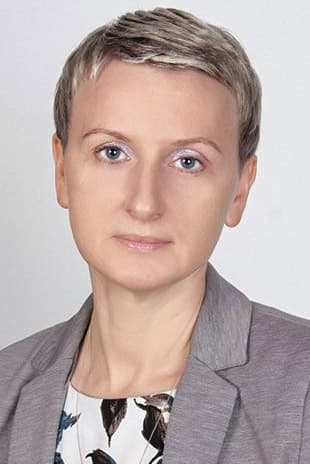
Natalia Kireenko. Since 2010, agro-towns continue to receive serious development. These are landscaped settlements, where, in addition to jobs for the life of citizens, schools, hospitals or FAPs, cultural houses, household objects are also created, Natalia Kireenko noted.
In her opinion, the developed infrastructure and attracts citizens to move:
- Today, there are all the components of the social standard that allow people to feel as comfortable in agro-towns as in a large city. And at the same time, they still have the opportunity to breathe clean air, grow various products on homesteads.
The expert noted that agro-towns are a unique project in Belarus, experience in their creation is studied and used by other countries, for example, Kazakhstan, the Russian Federation.
- In our country, the development of agro-towns is carried out comprehensively and covers several key areas at once. So, the project “Village of the Future” is being implemented, aimed at modernizing the countryside. There is a Program for the development of Pripyat Polesie districts for 2025-2030, the elements of which are aimed at the formation and expansion of rural territories and attracting the population to live there. This also implies one of the priorities of the Social and Economic Development Program of the Republic of Belarus for 2026-2030 – strong regions.
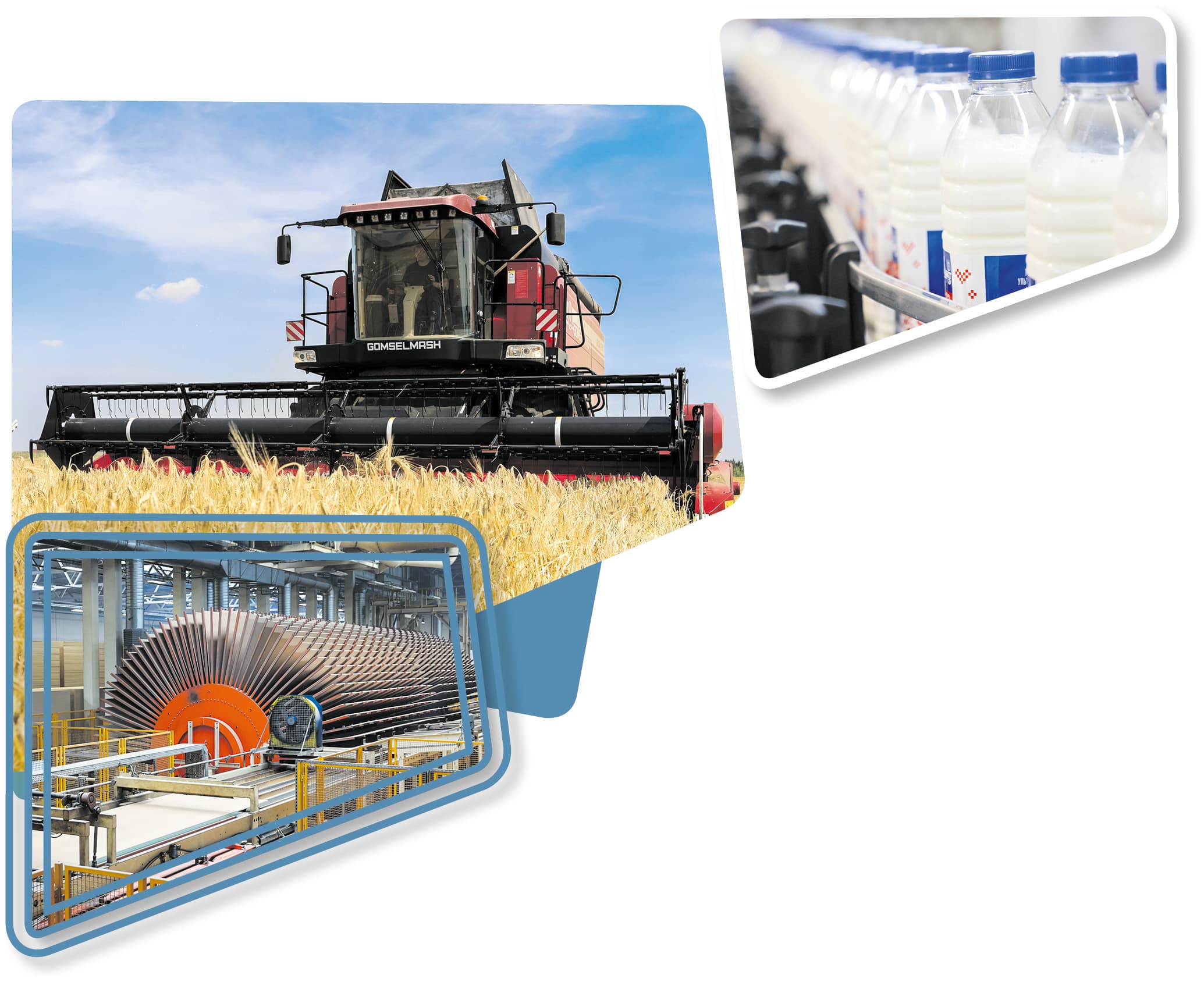
The Belarusian leader focuses farmers on the development and construction of small technological farms. The program of social and economic development of Belarus for 2026-2030 provides for automation and robotization, including agriculture.
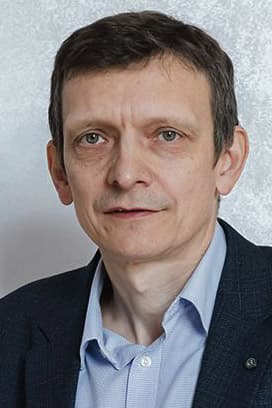
Anatoly Takun. Any technology is gradually becoming cheaper, and human labor is becoming more expensive. Today, this is a global trend, said Anatoly Takun, Head of the Intelligent Control Systems Sector at the AIC of the Institute of Economics of the NAS of Belarus. The same milking robotic complex, no matter how expensive it was at the start, will become cheaper over time. On the example of our country, we see that wages in agriculture have increased 2.5 times over the past six years. This once again shows that human labor is becoming more expensive. There will be a bet on robots anyway. For example, in China in 2025, the increase in milking robots compared to the previous year was observed 1.5 times. Our country also made a bet on the development of its robot - and rightly so.
Robots were initially created in the EU for small farms for 50-100 heads. The milking robot can work at any time, which increases both the comfort of the cow and the quality of the milk. At the same time, it eliminates the problem of staff shortage. Robots collect a large amount of information about animals (state, health, productivity), which is digitally fed into the farm management system. They can work on both small and large agricultural complexes. But it is important that even the smallest farms are highly productive. If the milk yield is less than eight thousand liters of milk per cow, then under the current economic conditions, robots will not pay off.
If all technologies are observed, the robotic complex can pay off in 7-8 years, and in the presence of state subsidies for their purchase - for 3-5 years.
The head of state also touched upon the issue of subsidies to agricultural producers. He stressed that approaches in this area will be reviewed in the near future. To whom and to what extent it is necessary to help - this is to be calculated by specialists.
- But the main issue, as the President noted, is discipline. Labor discipline, which follows from technological. Of course, in agriculture, robots need to be introduced. But they will have an effect where production technology is strictly observed and discipline is established. Robotics in the agriculture of our country. It's a perfectly working technology. Yes, dear at the start, but gradually becoming cheaper and becomes available to more and more farms, said Anatoly Takun. At the meeting, Alexander Lukashenko called for a thoughtful approach to consolidation and unification of farms. There are times when these processes are not beneficial.
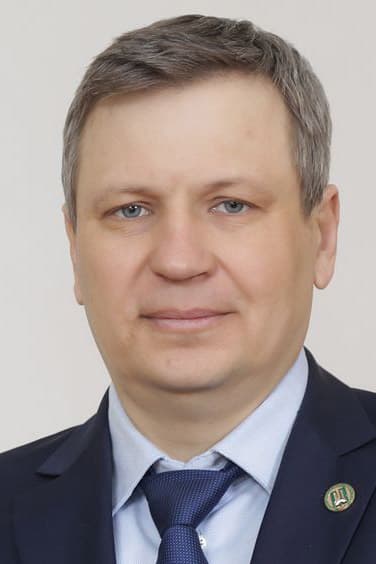
Victor Vasiliev. The efficiency of the work of agricultural organizations is not determined by size, says Viktor Vasiliev, Head of the Department of Agribusiness of the Belarusian State Agricultural Academy, Candidate of Economic Sciences:
- How to be a farm, you need to look in each case, using a scientific approach. It is necessary to take into account the availability of labor resources, soil and climatic conditions, financial opportunities and much more.
He noted that consolidation should not be an end in itself. Both small and large farms can be effective. A good example is the Orsha district. Here is the famous SEC "Larinovka". Small, compact, but the leader in the country in milk yield from cows. And next to OJSC "Agrocombinat "Yubiley" is a large association of several former farms, also advanced in the industry.
- As for the unification, Viktor Vasiliev continued, it is important to bring who and with whom to one. For example, a strong farm, 5 thousand hectares of farmland. Under certain circumstances, you can add another with an area of 2 thousand hectares. It could be useful. And if you combine two weak to reduce the number of unprofitable agricultural enterprises in the area, then such a mechanical process will not yield anything.
The head of the department added that the transformation of the organizational and economic mechanism should be accompanied by changes in wages. For example, the transition to wages from gross income, self-financing income, revenue. These are three different mechanisms, they are described in detail by scientists, have practical experience in implementation. This increases the personal interest of employees in the end result. On reclamation and involvement in the circulation of abandoned sites, the President recalled that Belarus is actively working to restore order on the ground. The requirement of the state is invariable: you need to put into circulation everything that is suitable for this. “We seized on this problem in time,” the Belarusian leader noted. This is a purely state issue. Where the work was done, everything grows in the second year. They don't look very much at it. It's different everywhere. Be masters of your land.”.
Dmitry Koldobayev. According to Dmitry Koldobayev, General Director of Belvodkhoz, since the beginning of the year, more than 1,000 dilapidated and unused buildings and structures have been dismantled by reclamators. This year, more than 90 thousand hectares will be commissioned, including about 10 thousand hectares of land overgrown with shrub. Each of these hectares is a resource returned to agricultural circulation, which will work for the economy: it will give an additional crop, strengthen the feed base and export potential of the country.
- This is a significant contribution of land reclamators to the implementation of the tasks to restore order on the ground, designated by the Head of State. All instructions of the President and the Government at the end of the year will be implemented, Dmitry Koldobaev stressed.
According to him, the state constantly provides support for the renewal of the machine and tractor fleet. In turn, reclamators are developing new technologies for the elimination of shrub, allowing you to do without storing waste and processing them on site.
The introduction of land in circulation is not only the restoration of order, but also a direct economic benefit for the country, the expert added. Each hectare involved works for food security and the potential of the agro-industrial complex.
- It is important for us, as reclamators, that what we do is exploited. The head of state drew attention to the fact that reclamators will do the job, leave, and the field then re-grows. Of course, this is not everywhere, but there are such facts. This is very disappointing: so much effort, money, labor is invested in this land, and then all this again will have to spend money, and a lot, said Dmitry Koldobayev.
He added that to exclude such a powerful work is being carried out at the level of the Ministry of Agriculture to control the involvement of these lands in circulation and prevent re-overgrowth. The situation is under the control of the Minister of Agriculture and Food, his deputies.
The following figures indicate their relevance: from late plowing in the autumn and violations of this technology, the country loses 650 thousand tons of grain annually, said Yakov Yarotsky, a leading expert on consulting work of the Center for Advanced Training of Managers and specialists of the Committee on Agriculture and Food of the Mogilev Regional Executive Committee, Candidate of Technical Sciences:
Yakov Yarotsky. To overcome all this, each mechanizer before leaving for plowing must obtain the technological regulations of the mechanized process. This document should indicate where the field is, at what distance from the machine yard. Next. What's the agrophone? There may be grasses, grain stubble, a plot after harvesting corn. This depends on the standards of production, which should be in the task for the day. And then the quality parameters: the depth of plowing, the sealing of harvested residues, the straightness of the movement, the ploughing of the turning strip.
Criteria for the evaluation of work, which should be set by the head of the production site or agronomist, when plowing are as follows: a depth of 20-22 centimeters is excellent, 18-20 - good, 14-18 - satisfactory.
And then it should be spelled out what he will get for his work. For example, for a hectare of plowing on excellent - 6 rubles, well - 4 rubles. And with a satisfactory assessment - no additional payment, only a tariff of 90 kopecks.
Of course, organics should be introduced before plowing. And previously lying in the burts for at least six months. Fresh can not, it acidifies the soil.
The fertility of the land is a direct economy. This is our income and investment. When the work is monitored, the quality will improve. Following the results of the workshop on modern approaches to regional development, the President identified a range of topical tasks for the local vertical. Among the priorities is the issue of technology and discipline. All issues of technological discipline are regulated by scientifically based technological regulations.
Petr Kazakevich. “There are about a hundred such regulations created by science and approved by the Ministry of Agriculture: for the crop and livestock industries,” commented Petr Kazakevich, Deputy Chairman of the Presidium of the National Academy of Sciences of Belarus. These technological regulations define the requirements either for the cultivation of relevant crops or for the production of livestock products. In order to ensure technological discipline, in both cases, we need to have technical and resource support and appropriate personnel – competent specialists. This has a positive impact on the economic condition of the company. If there is one hundred percent resource provision, then possible failures associated with non-compliance with technological regulations fall on the conscience and responsibility of specialists who do not know and do not comply with these technological regulations. If the resource supply suffers somewhere and the economy cannot guarantee one hundred percent implementation of technologies, then the primary task for specialists is to determine how, having the resource that is available, to get the maximum possible result both in crop production and in livestock breeding.
The determining factor is largely literate cadres, which today must work on the ground.
- Such personnel must be trained, retrained, Petr Kazakevich stressed. It is also important to exchange experience, take as an example the economically advanced economies of districts and regions, exchange experience between regions, showing certain opportunities and options for solving tasks. Clear technologies multiply strengthen the economy of the agro-industrial complex.
In each region and in each district there are farms from which there is much to learn. Labor discipline, which stems from the technological, there at a high level. And so, the economy is on top! For example, in Brest region it is OJSC "Beloviezhsky", SUE "Rubelsky" and OJSC "Kroshkin", in Vitebsk region - OJSC "Agrocombine "Yubiley", SEC "Larinovka", OJSC "Shaiterovo", in the Gomel region - OJSC "Banner of the Motherland" and OJSC "Poult Factory "Rasvet", in Grodno region - SEC "Progress-Vertelishki", PC named after V. I. Kremko and SPC "Azhinov", "Azhina" on "Azhina" "Azhina" "Azhytska" "Ago" "Azhina" "Ago" "Ago" "Ago" "Azhin" "Ago" "Ago" "Azhin" OAzhyt" OAzhyt" "Ago" "Azhin" "Azhin" "Azhin" "Ago" "Azhin".
According to our correspondents
