Europe is preparing new restrictions for China: the damage to the economy estimated
China’s economy will be able to withstand a possible increase in trade restrictions from the EU relatively easily
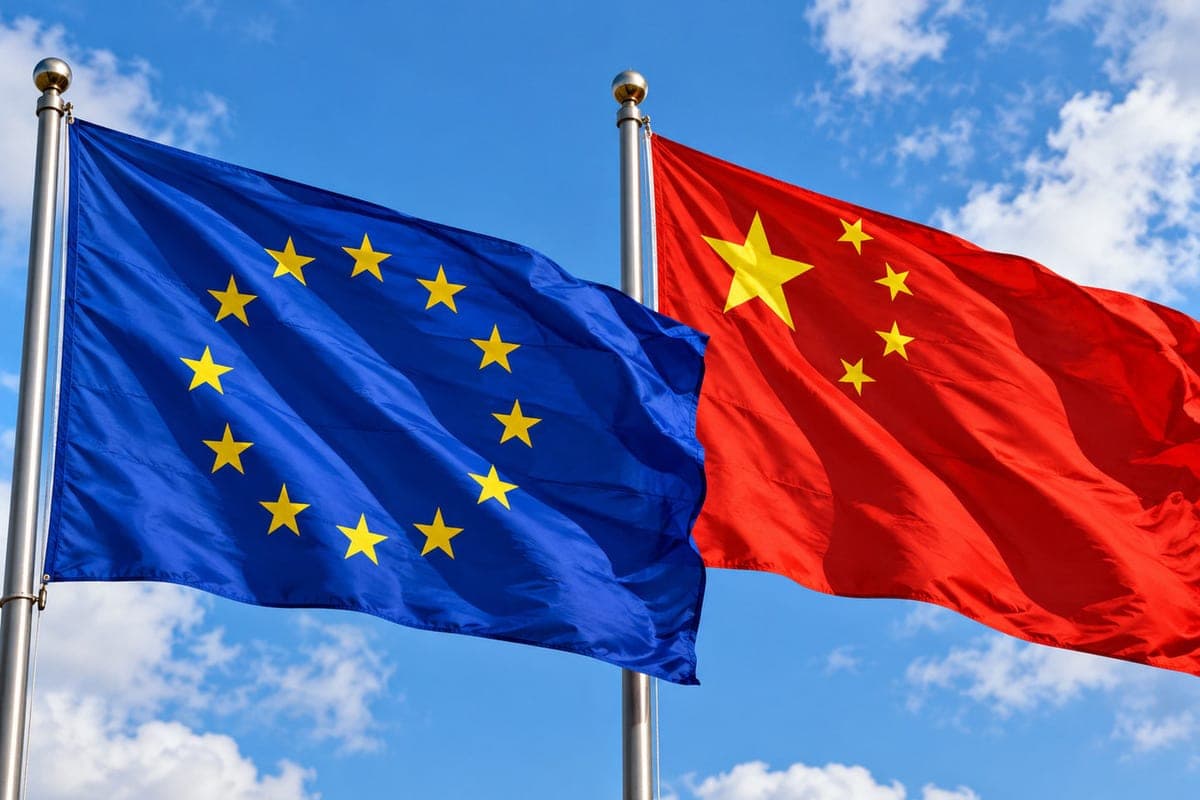
China’s economy will be able to withstand a possible increase in trade restrictions from the European Union relatively easily. According to a study by the analytical company Capital Economics, even a large-scale reduction in the supply of Chinese products to Europe will have a limited impact on the GDP growth rate of China.
If the decline in exports drags on for three years, China’s annual economic growth loss would be about 0.1 percentage points. At the same time, analysts believe that the actual implementation of such measures may take longer due to the high dependence of certain sectors of the European market on Chinese goods.
In a series of studies called China Shock 2.0, Capital Economics examined the possible consequences of further tightening of EU trade policy. The current restrictions affect about 4% of imports from China. If the measures are expanded, they may include industries that form up to a quarter of all Chinese products deliveries to the European market.
The most sensitive areas remain the automotive industry, the petrochemical industry, the production of steel, cement, aluminum and batteries, as well as the production of equipment for solar and wind energy.
According to analysts, if the European Union increases tariffs on Chinese goods in these sectors by 10–30 percentage points, in the long term, imports from China in affected areas could be reduced by 40–80%.
However, the overall impact on trade will be significantly smaller. According to Capital Economics, the total supply of Chinese goods to the European Union may decrease by 10-20%.
An additional obstacle to the rapid reduction of imports remains the high share of Chinese products in certain segments of the European market. In some industries, it reaches 90-99%, so replacement of supplies will take considerable time.