
“We will have to work as long as health allows”: a two-fold increase in pension payments has eaten inflation
The figures of the Social Fund of Russia sound victorious: for five years, the average pension in the country increased by 9,630 rubles, reaching 25,480 rubles
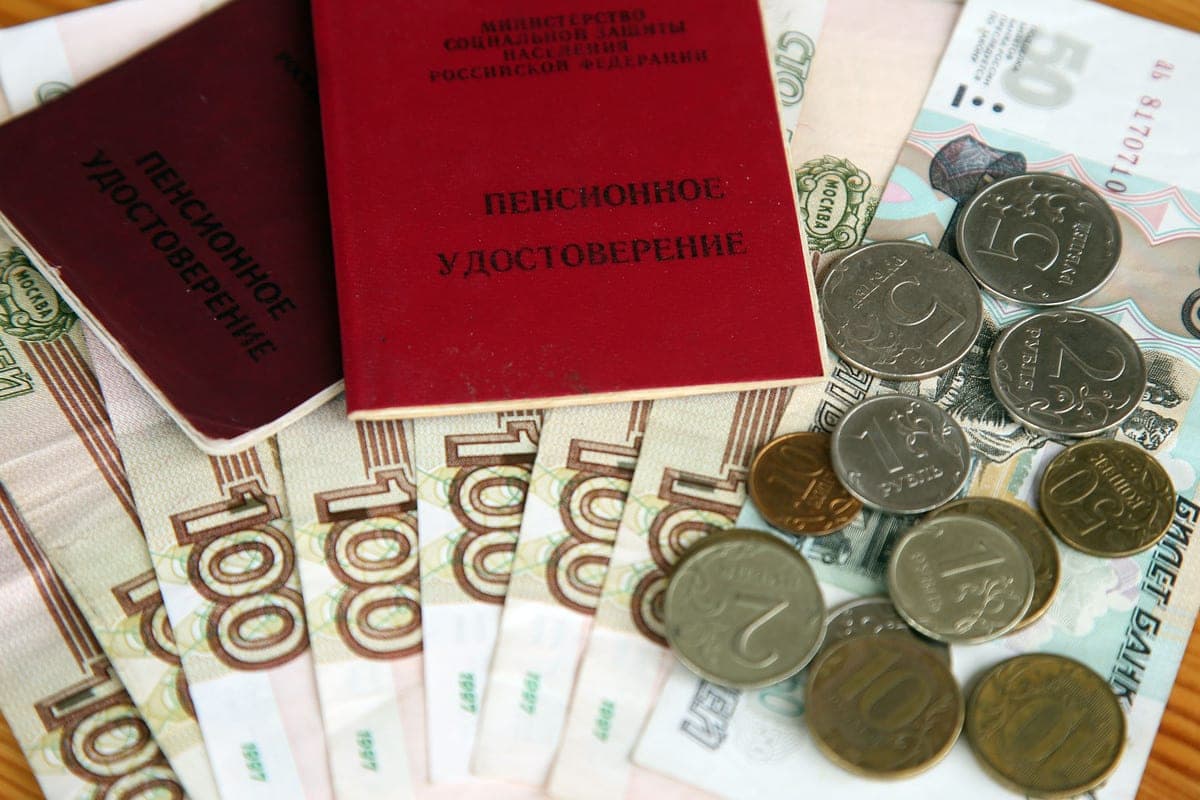
The reason for optimism looks almost perfect: according to the SFR, by October 1, 2026, the average pension in the country amounted to 25,480 rubles. For five years, it added 9,630 rubles - in 2021 the figure was 15,850. The average old-age payment exceeded 27.3 thousand rubles, for the year having risen by more than two thousand. For ten years, the average assigned pension increased from 12.4 thousand rubles in March 2016 to 25.3 thousand in March 2026, social - from 8 634 to 16 583 rubles. Technically, there is a dynamic, and considerable. But if you say these numbers out loud, for example, in the queue at the pharmacy - and the mood changes faster than the statistics. Accumulated inflation during this period was about 78%, which means that purchasing power added much more modestly.
Leading researcher of INION RAS Sergey Smirnov reminds: the annual indexation, including for working pensioners since January 2025, has created a certain stability. “Today is not 1998-1999, when pensions did not increase: then there was a clear failure,” he says. According to him, the state monitors the macro indicators, the social protection authorities monitor the situation with each individual pensioner, and for people over 80 years old there is a fixed surcharge of about 19 thousand rubles.
But the average figure does not describe the life of a particular person. Alexey Zubets, director of the Center for Social Economics Research, estimates the real purchasing power of pensions minus inflation: “In comparison with 2016, it grew by only 15%, which, of course, is depressing.” According to him, about 85% of the elderly live in poverty, and this proportion is almost not decreasing. The expert cites Rosstat data: in 2016, the pension allowed to buy 39 kilograms of beef, in 2026 - 37.4; pork became more - 59 against 47 kilograms, but for products as a whole, the real solvency remained at the level of a decade ago.
Smirnov sees the problem deeper than statistics: the consumer basket for the poor is more expensive than for the rich, and the elderly need medicine and treatment. “Many people cannot afford to buy even basic necessities such as meat,” he said. In the regions, the price of old age is different. According to Bankiros calculations, the average pension in the country is 25,838.5 rubles, the food basket is 8,868.5. In Chukotka, the pension is 44,066.8, but the food costs 19,946.6; in Dagestan, the payment is 19,265.9 with a basket of 8,466.2. After the store, one has more, the other less, but housing, medicines, transport eat the rest in different ways.
That is why in social networks statistics on the growth of pensions causes not tenderness, but irritation. “I am 66 years old. I've been working since 1982. 44 years of experience. Retirement 22,000! Rent 13-14 thousand, medicines about 5 thousand, paid medicine, savings on everything. We will probably have to work while more or less health allows, one user writes. Another argues about the existence in the metropolis: for a pension of 30 thousand you can only survive, and after a communal room and medicines there is too little. Now I pay for each tooth 40-50 thousand rubles for each installed crown. And you can only pull out a tooth for free, he adds.
There is nothing surprising about these stories. Since January 1, 2026, insurance pensions have been indexed by 7.6%, the average payment to non-working people has reached 27-27.8 thousand rubles, the minimum insurance pension is set at 14,287 rubles, social pension - 9,424. But the minimum budget of an elderly person in the regions is estimated at 35 thousand, in Moscow and St. Petersburg - 45-55,000. The average income of 23-27 thousand covers only 70-80% of the necessary expenses. Medications for hypertension, diabetes and vascular diseases cost an average of 10,200 rubles a month; after such a purchase, many people have less than nine thousand for food and communal services.
Therefore, the conclusion is not a festive one. Pension in Russia has really grown - in rubles, according to statistics, almost twice in a decade. But inflation, expensive medicine, regional inequality, and the need to make extra money have turned this increase into a survival arithmetic. Until the real incomes of the elderly begin to grow faster than prices, “deserved rest” for millions will remain a beautiful formulation, far from everyday life.
