
In Israel, limited work at the plant Gadiv due to excess levels of benzene
The Ministry of Environmental Protection of Israel has refused to resume repair and preventive work at the facilities with a high content of benzene at the Gadiv plant (Bazan Group, Haifa Bay), allowing limited work only in plants where the concentration of benzene does not exceed 1%, subject to strict compliance with the updated administrative requirements
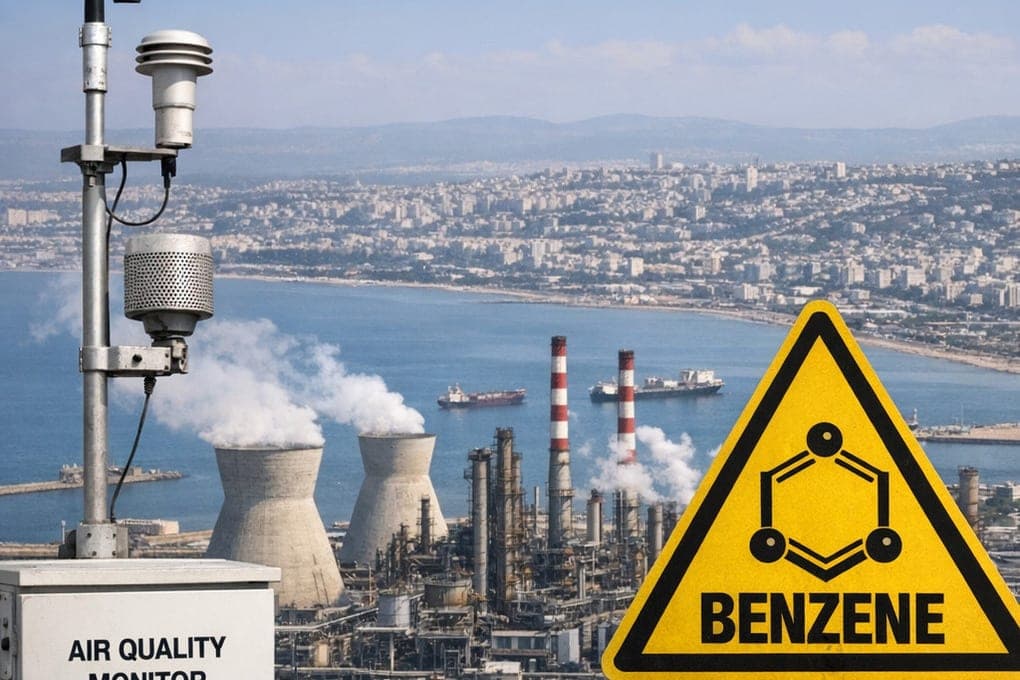
The Ministry of Environmental Protection of Israel refused to resume repair and preventive work at the facilities with a high content of benzene at the Gadiv plant (Bazan Group, Haifa Bay), allowing limited work only in plants where the concentration of benzene does not exceed 1%, subject to strict compliance with the updated administrative requirements.
The Israeli Ministry of Environmental Protection has officially notified the management of the Gadiv plant of its decision to resume repair and technical work, which was suspended earlier due to an excess of benzene, a substance recognized as a carcinogen, recorded in October. The first recorded anomaly led to a decision by the Ministry of Health to temporarily close two schools near the plant, which caused widespread public outcry and concern among local residents.
In the course of a professional analysis of the characteristics of production plants and the associated risks, the Ministry concluded that the return to work is possible only at facilities where the benzene content does not exceed 1%. At the same time, the plant must strictly comply with all the provisions of the updated administrative regulation, including the introduction of additional measures to minimize benzene emissions and prevent new excesses. Among the mandatory measures are round-the-clock monitoring, regular rounds, phased implementation of works and, if necessary, a full stop of operations for the fleet.
Analysis of monitoring data, wind directions, plant reports and field inspections revealed a direct link between the plant’s scattering and purification processes and the increase in benzene concentration in the atmosphere, including the latest excess recorded on October 22 at Kiriat-Binyamin station. It is noteworthy that this incident occurred after the Ministry introduced additional measures to reduce emissions in accordance with the administrative regulations of October 14 and 18.
Since the shutdown, the ministry has been in constant professional dialogue with the plant management, offering new solutions to reduce emissions with the support of external experts. However, the plant did not provide a convincing explanation of the reasons for the latest excess and did not offer alternatives that could guarantee the prevention of similar incidents in the future. Most of the ministry's additional recommendations were also rejected by the company, forcing the agency to tighten monitoring and control requirements.
The Ministry categorically rejected the statements of the plant about the alleged bias of the decisions taken, stressing that all actions were based solely on the results of monitoring, field data and professional expertise. Environment Minister Idit Silman said: “The health of the population comes first and the ministry will ensure that all necessary measures are taken to protect them and the environment.” Rami Rosen, director general of the ministry, added that the department will continue to strictly monitor the implementation of regulations, and decisions will continue to be made based on objective data. The head of the Haifa district of the ministry, Dorit Zis, stressed that “the ministry’s responsibility is to ensure that work is carried out as safely as possible for the population and the environment”, and the limited permission to resume work is based on a thorough risk analysis and monitoring data.
The Ministry acts in close coordination with the Ministry of Health and informs the Ministry of Energy and Infrastructure of the situation, taking into account all environmental, sanitary and economic aspects.
In conclusion, the situation around the Gadiv plant remains closely monitored by government authorities. In case of new excesses or non-compliance with regulations, the Ministry is ready to react promptly until the complete cessation of work at the enterprise. Given the tough stance of the authorities and public attention, it is likely that the plant will be forced to introduce additional technological solutions to minimize emissions and increase the transparency of its activities. Otherwise, further restrictions are possible, which could affect both the nayu in the region.
