In the Novgorod region from Belarus imported 20 tons of grain mycelium mushrooms
Since the beginning of 2026, under the control of the North-Western Interregional Directorate of the Rosselkhoznadzor, 20 tons of grain mycelium of mushrooms from Belarus have been imported to the Novgorod region for the recipient from the Chudovsk district, the press service of the department reported
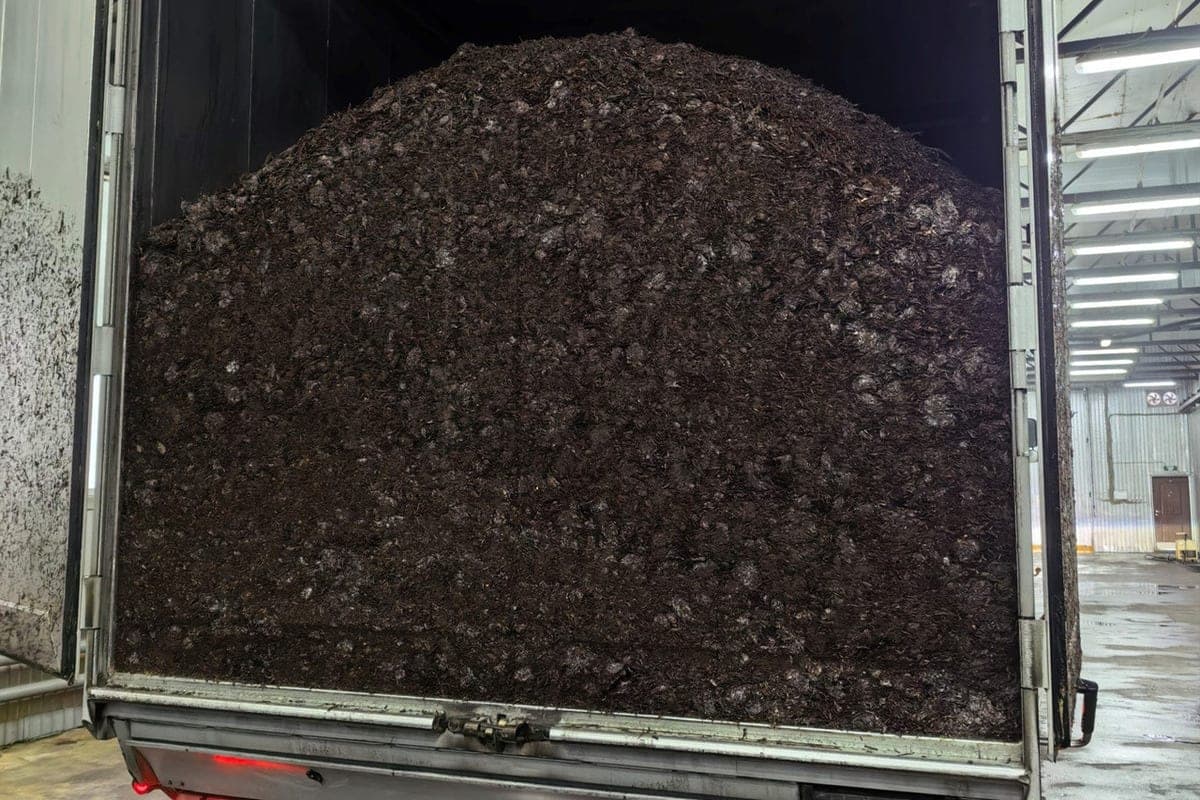
Since the beginning of 2026, under the control of the North-Western Interregional Directorate of the Rosselkhoznadzor, 20 tons of grain mycelium of mushrooms from Belarus have been imported to the Novgorod region for the recipient from the Chudovsky District, the press service of the department reported.
All imported products underwent quarantine phytosanitary control with sampling, which were investigated in the Novgorod branch of the North-Western branch of FGBI “ARRIAH”. Laboratory examination confirmed that there are no quarantine harmful organisms in the mycelium.
The Rosselkhoznadzor explained that the grain mycelium of mushrooms is a special planting material consisting of sterilized grains of cereals - wheat, rye, barley, millet or oats, on which the mushroom actively develops. It is used to grow mushrooms, oysters, shiitake, ops and other types of mushrooms.
Import substitution products
Supplied to the Novgorod region grain mycelium oyster is produced at the Korenev experimental forest base of the Institute of Forests of the National Academy of Sciences of Belarus, located in the Gomel district. According to the catalog of innovative developments of the National Academy of Sciences of Belarus, these products provide a replacement for imported oyster mycelium, previously supplied from the European Union.
The cost of Belarusian sowing mycelium is lower than imported analogues, while the yield of strains for two waves of fruiting is 20-28% of the weight of the substrate. The possible production volume reaches 200 kg of mycelium per month.
Thus, supplies from Belarus not only pass all the necessary quarantine checks, but also solve the problem of replacing European and Russian planting material for mushroom farms in the Novgorod region.
In turn, Belarus is happy to buy mushrooms from our region. As of mid-July, this year 13.5 tons of Novgorod foxes were exported.