Aggression, tearfulness, violent laughter: how stroke changes human behavior
The consequences of a stroke are determined by which part of the brain has suffered from circulatory disorders. Changes in patient behavior and...
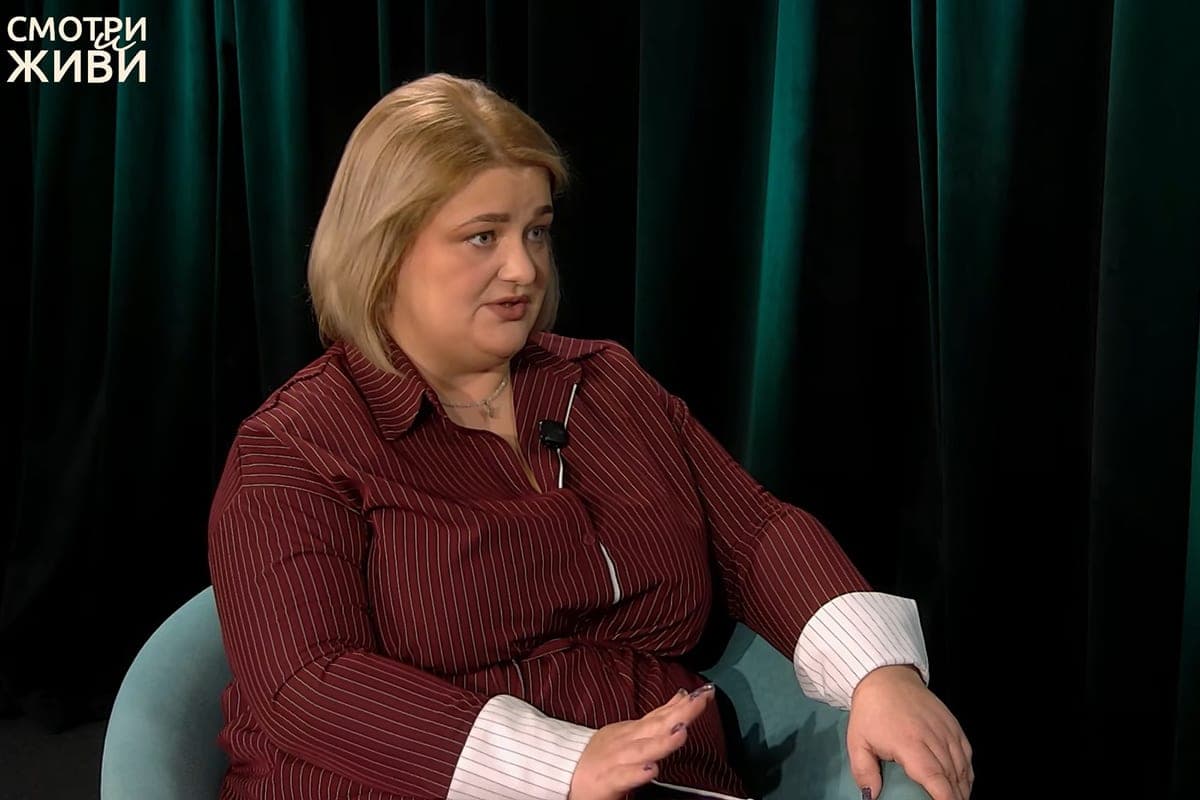
The consequences of a stroke are determined by which part of the brain has suffered from circulatory disorders. About the changes in the behavior of patients and the features of their recovery on the air of the talk show “PRO HEALTH” on the YouTube channel “SEE AND LIVE” told the neuropsychologist for cognitive rehabilitation of the Minsk regional center of medical rehabilitation “Zagorje” Christina Barbarchik, writes sb.by.
One of the most difficult categories of patients, the specialist called people with damage to the frontal lobes. In such cases, behavior and emotional background change significantly.
- These patients are the hardest to work with. They often show aggression, quickly depleted. With the defeat of the frontal lobes, the so-called control functions are violated, thinking partially or completely suffers. It is not easy for a wild person to choose a corrective method, and the training itself has to be done briefly, dosing the load, said Kristina Barbarchik.
Quite differently, there is a violation of cerebral circulation in the vertebrobasilar pool. Patients may experience tearfulness or violent laughter—emotional reactions that occur involuntarily and do not reflect actual experiences
- A person may cry or laugh in an inappropriate environment. In such situations, we necessarily connect a psychotherapist to prescribe psychopharmacotherapy, the specialist explained.
The timing and depth of recovery depend on the volume and localization of the focus. According to the doctor, some patients return to professional activities after the first course of rehabilitation, others require repeated hospitalization within one and a half to two years. Success always consists of joint efforts of doctors and motivation of the person.
Group classes play a key role in the rehabilitation of people with speech disorders.
- In psychological and speech therapy groups there is a special therapeutic effect. Patients need a supportive environment. Seeing that there are people with similar difficulties in reading, writing or speaking, a person ceases to feel isolated. Mechanisms of mutual imitation, empathy and healthy competition are included, which significantly accelerates progress, the neuropsychologist emphasized.
Watch the PRO HEALTH project on the Watch and Live YouTube channel every Sunday at 12:00. Specialists in various fields will answer popular questions of concern to everyone in simple language and with humor.
Is it possible to restore memory after a stroke and what factors affect it? Neuropsychologist responds